Is Ray Ban on Sale? November 2026
Prices checked Nov 10, 2026, 6:52 p.m. ET
Is Ray Ban on sale?
Not right now: Ray Ban prices are at their usual levels.
Deal.ai Canada. Prices in Canada, in Canadian dollars (CAD), from stores that sell in Canada. Shopping in the US? See US prices

Prices checked Nov 10, 2026, 6:52 p.m. ET
Not right now: Ray Ban prices are at their usual levels.
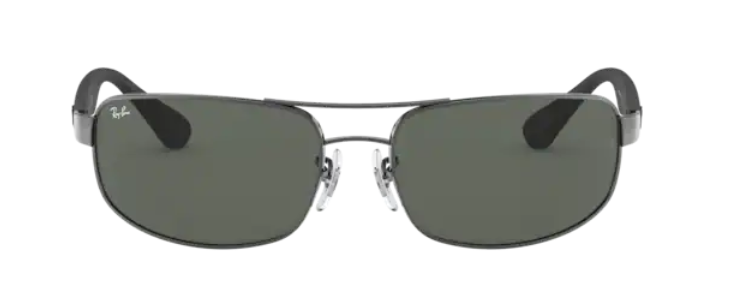
Not right now. Ray Ban prices are at their usual levels: the Ray Ban RB3730 Xime Sunglasses is CA$80.00 at Amazon. Any Ray Ban deal shows here as soon as it starts.
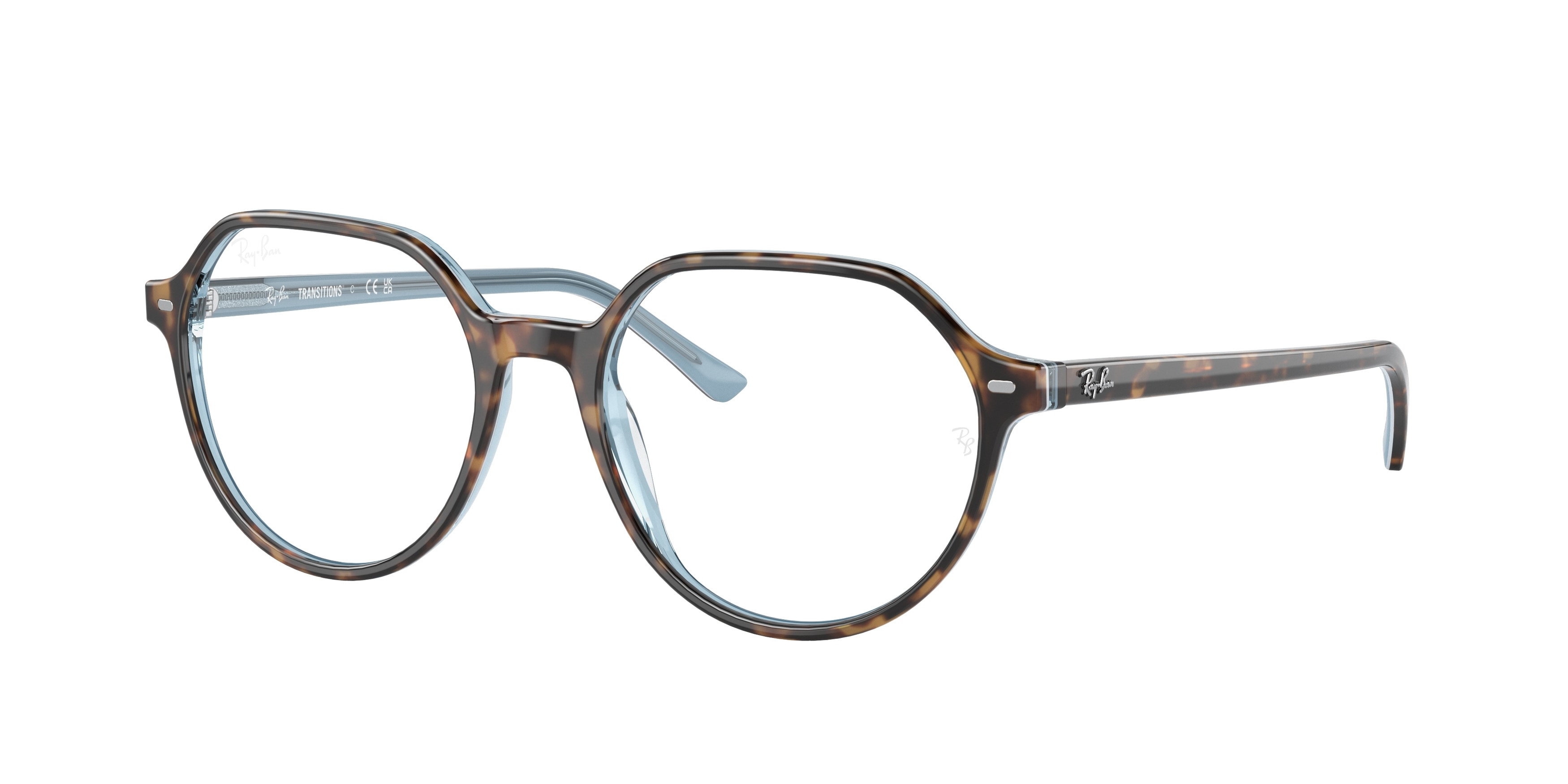
Ray-Ban is the eyewear brand behind the Aviator and Wayfarer shapes, and its current lineup spans acetate frames, metal aviators and sporty wrap styles like the RB4420 and RB4162. The Zena and RB2202M lean toward rounded, fashion-forward frames, while the RB3445 and RB2398 stick to classic silhouettes. Prices for every model are checked across stores, and each product page keeps a price history so you can see how the number has moved.
It checks today's price at every store, compares the alternatives and answers in about a minute.