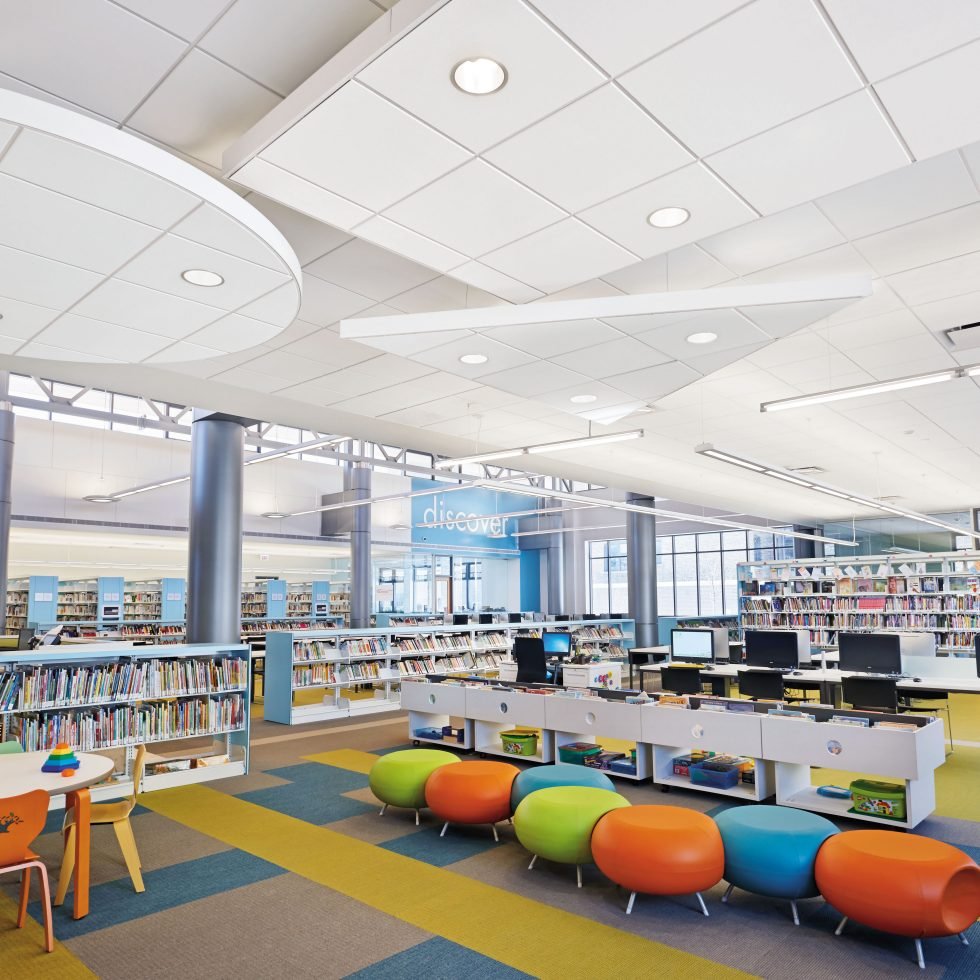
Is Armstrong Ceilings on Sale? November 2026
Prices checked Nov 14, 2026, 11:56 PM ET
Is Armstrong Ceilings on sale?
Not right now: Armstrong Ceilings prices are at their usual levels.

Prices checked Nov 14, 2026, 11:56 PM ET
Not right now: Armstrong Ceilings prices are at their usual levels.
Not right now. Armstrong Ceilings prices are at their usual levels: the Armstrong Ceilings Dune 2x2 Lay-In Ceiling Panels is $165.06 at Kanopi by Armstrong. Any Armstrong Ceilings deal shows here as soon as it starts.
Armstrong Ceilings is the standard name in suspended and drop ceilings, used in basements, offices and schools. Its Dune panels are the common mineral-fiber lay-in tile, and Ultima is the smoother, mold-resistant line for cleaner rooms. Prices for these panels are checked at every store, and each store's price history is tracked.
It checks today's price at every store, compares the alternatives and answers in about a minute.