- What can I do with an Etepon ESP32 board?
- It runs Arduino, ESP-IDF and MicroPython firmware on a dual-core Xtensa LX6 chip with Wi-Fi and Bluetooth Classic/BLE. Typical uses are sensor nodes, home automation, web servers and BLE bridges. It has no onboard display or battery, so plan on USB power and external parts.
- Does the Etepon board have USB-to-serial built in?
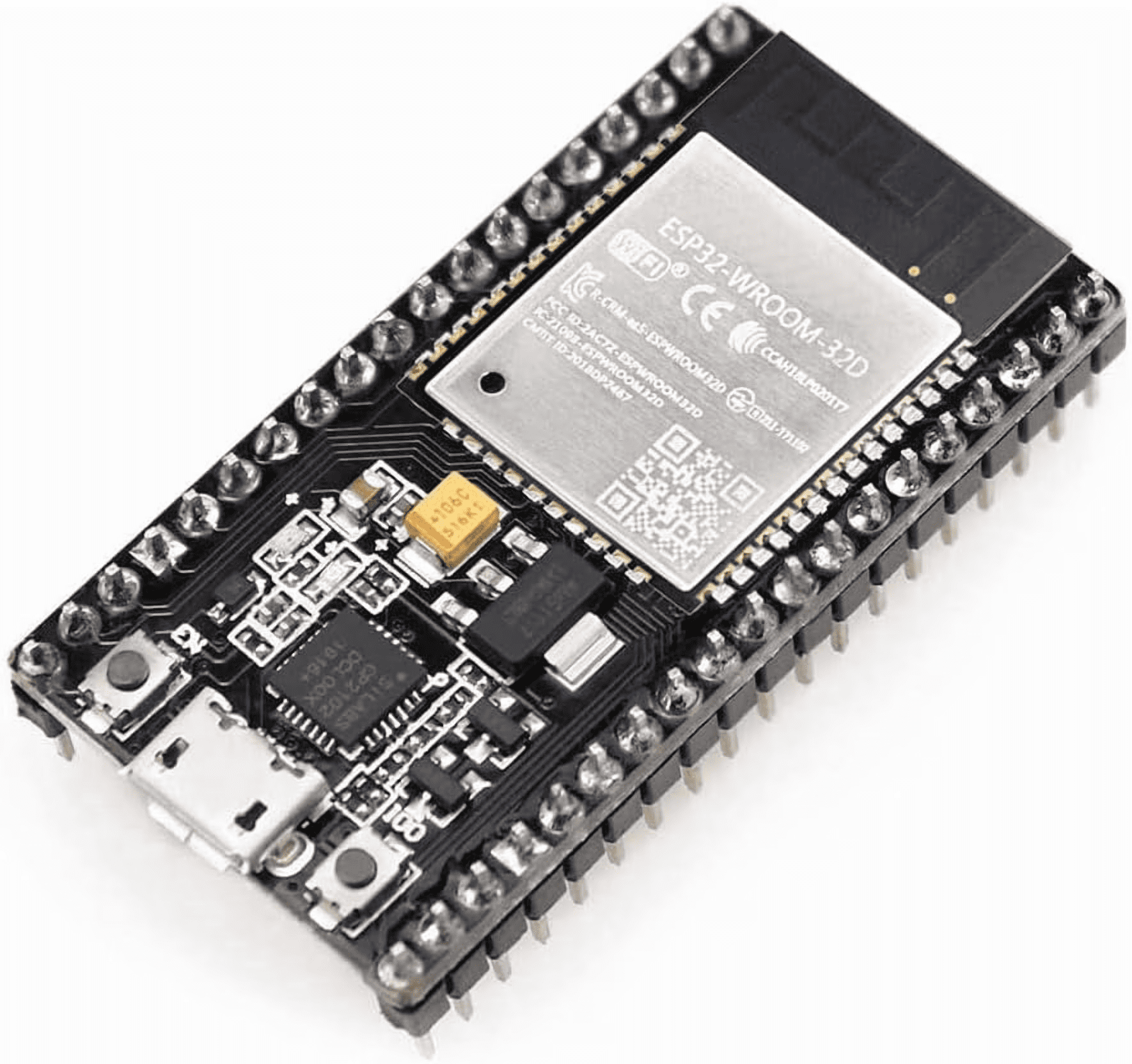
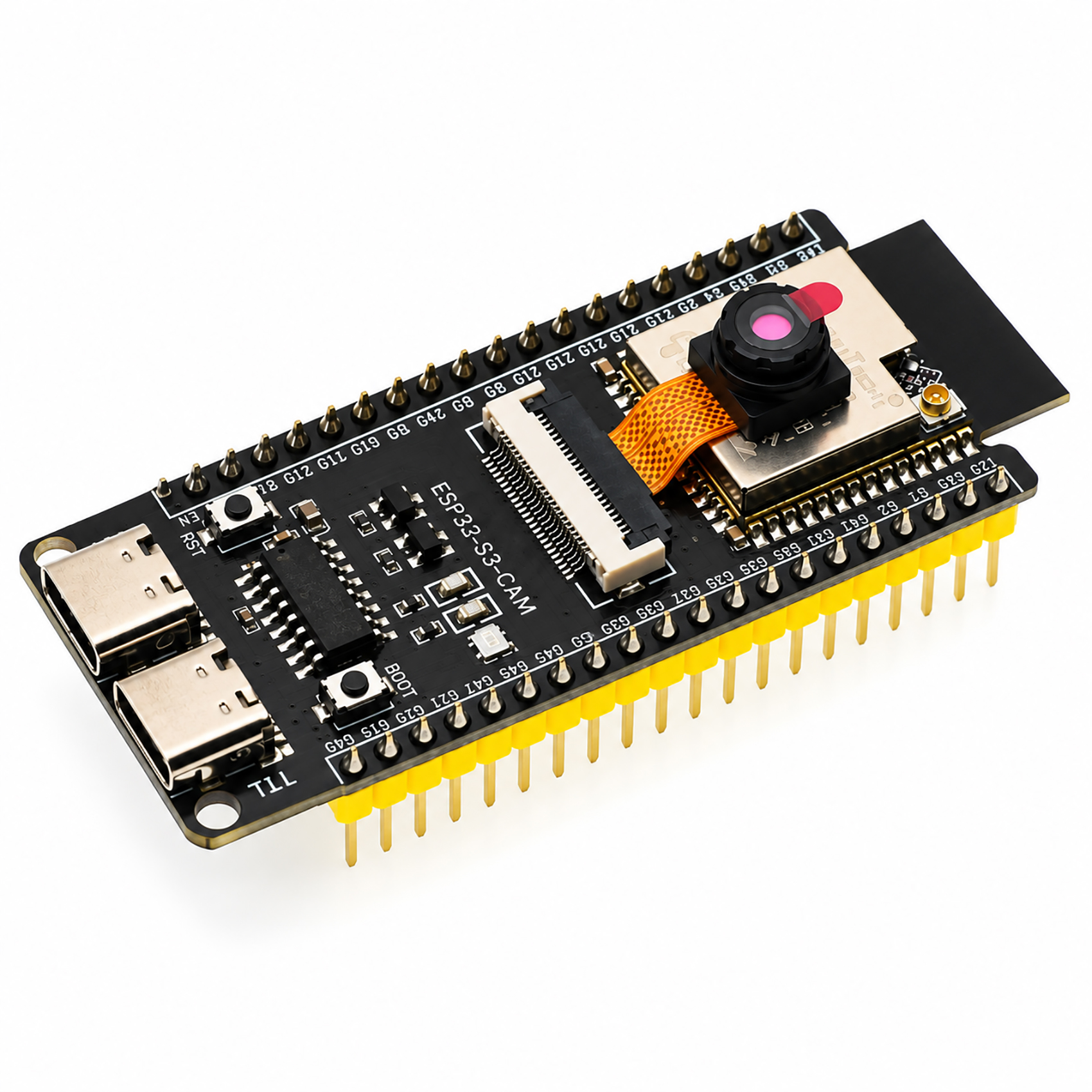
- Most Etepon ESP32-WROOM-32D boards include a USB-to-UART bridge chip and a micro-USB port, so you can flash and power the board over one cable. Check the specific listing's photos, since some bare boards expose only header pins and need an external programmer.
- Which pins should I avoid on the ESP32-WROOM-32D?
- GPIO6 to GPIO11 are wired to the module's SPI flash and must not be used. GPIO0, GPIO2 and GPIO15 affect boot mode, and GPIO34 to GPIO39 are input-only with no pull-ups. Strapping-pin conflicts are the most common cause of a board that will not boot.
- What is the warranty and return policy on Etepon boards?
- Etepon is a budget board brand, and warranty terms come from the individual seller rather than a single global policy. Check the returns section on the store you buy from before ordering, and test the board on arrival, since dead-on-arrival units are the usual claim.
- How does the Etepon board compare with an ESP32 DevKitC?
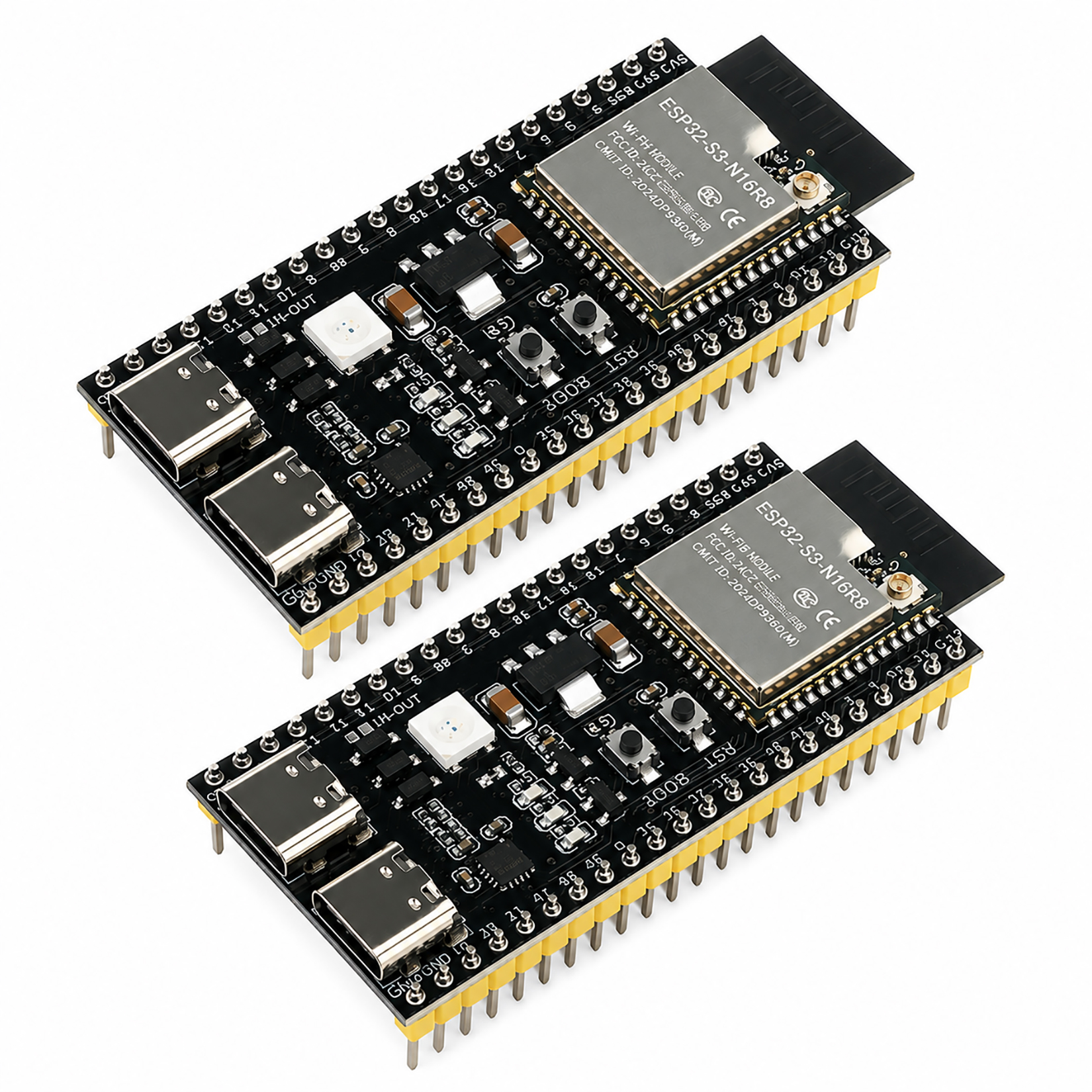
- Both use the same ESP32-WROOM-32D module and pinout, so code and wiring carry over. Etepon boards are usually simpler builds with fewer extras like an onboard RGB LED or a second USB port. The trade-off is documentation and quality control, which are thinner than Espressif's own DevKitC.
- Are there Etepon discount codes?
- Deal.ai checks what Etepon products actually cost at every store, so a real markdown shows on this page as a deal as soon as it starts, and each product's page has its price history to tell a sale from its usual price.