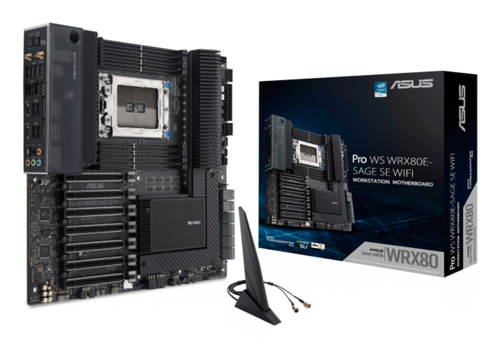
- Which is better for a multi-GPU workstation?
- The ASUS. It lists seven PCIe 4.0 x16 slots with SLI support and SafeSlot reinforcement. The ASRock Rack listing does not specify its PCIe layout.
- Do both support ECC memory?
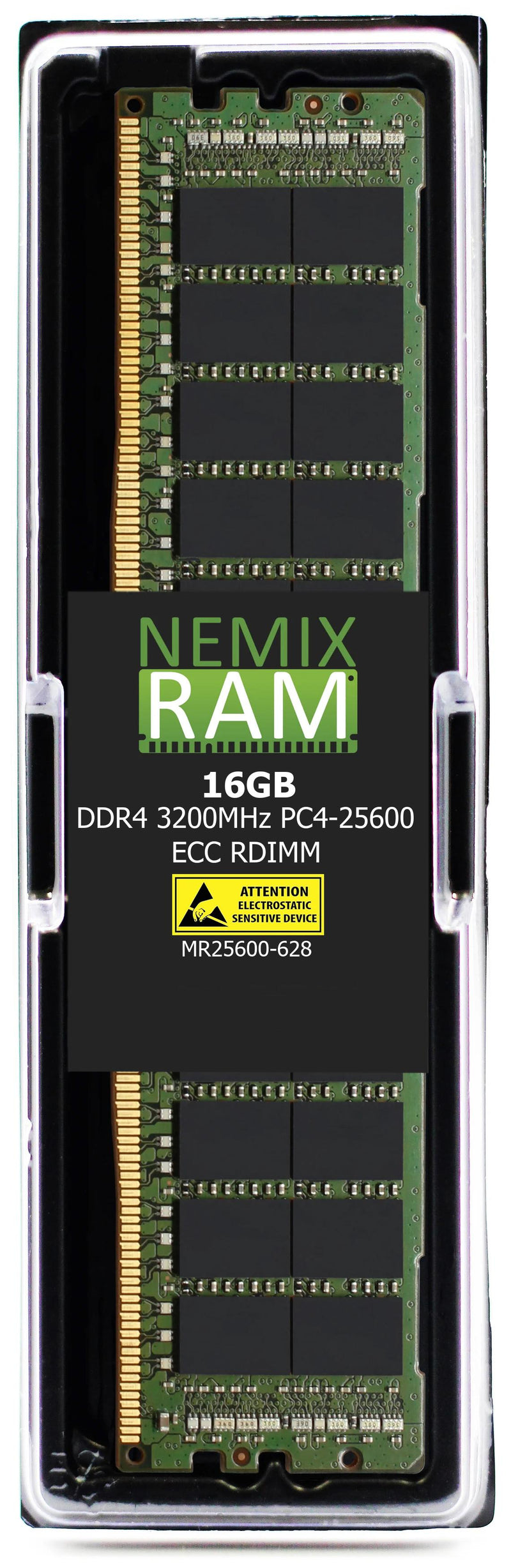
- Yes. The ASUS lists ECC support across 8 DIMM slots. The ASRock Rack is sold with ECC Registered RDIMM kits from 16GB to 128GB at DDR4 3200.
- Is the ASUS worth the extra over the ASRock Rack?
- If you need 10 Gigabit Ethernet, WiFi 6 and seven PCIe 4.0 slots in one desktop board, yes. The ASRock Rack has no price here, so compare its full cost with CPU, memory and case before deciding.
- Which has better server management?
- Both offer out-of-band tools. The ASUS uses ASMB9-iKVM. The ASRock Rack uses an ASPEED AST2500 controller with IPMB and PMBus headers for rack environments.
- Which has more fan and sensor headers?
- The ASRock Rack. It lists seven six-pin fan headers, two thermal sensor headers and an HSBP connector. The ASUS uses a standard desktop layout.
- Which board fits a normal desktop case?
- Both are ATX. The ASUS is described as extended ATX in its marketing text, so check clearance. The ASRock Rack is listed as ATX.
- Does the ASRock Rack support newer Threadripper PRO chips?
- Yes. It is listed for Threadripper PRO 5000WX and 3000WX. The ASUS is described for the 3000 WX-Series.
- Which board handles heavy power draw better?
- The ASUS. It lists 16 power stages plus two PCIe 6-pin power connectors. The ASRock Rack listing does not specify its power delivery.
- Which board has onboard video output?
- The ASRock Rack. It has an integrated ASPEED AST2500 graphics controller with 512MB of DDR4 video memory. The ASUS lists VGA and HDMI ports for its display output.
- What comes in the box with the ASUS board?
- ASUS includes an Hyper M.2 x16 Gen 4 card, which lets you run several M.2 drives through one PCIe 4.0 x16 slot. The ASRock Rack listing names no bundled card.