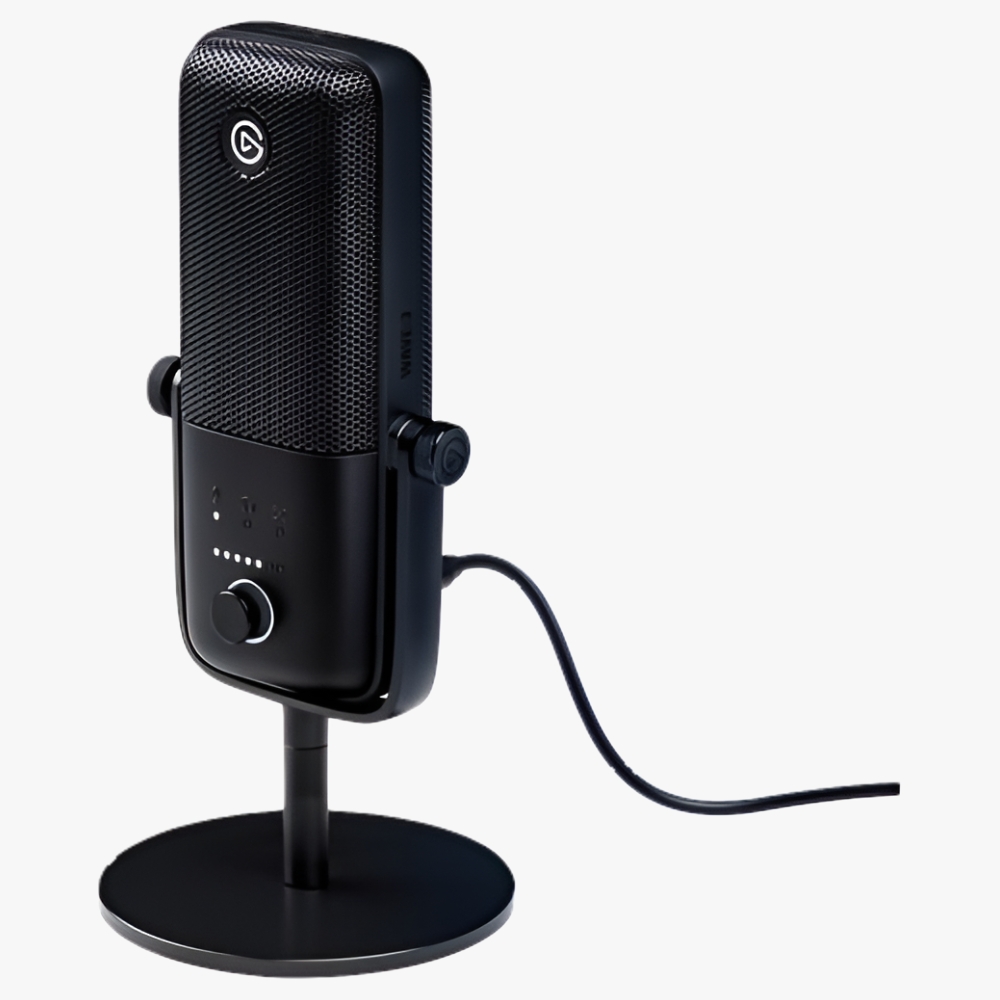
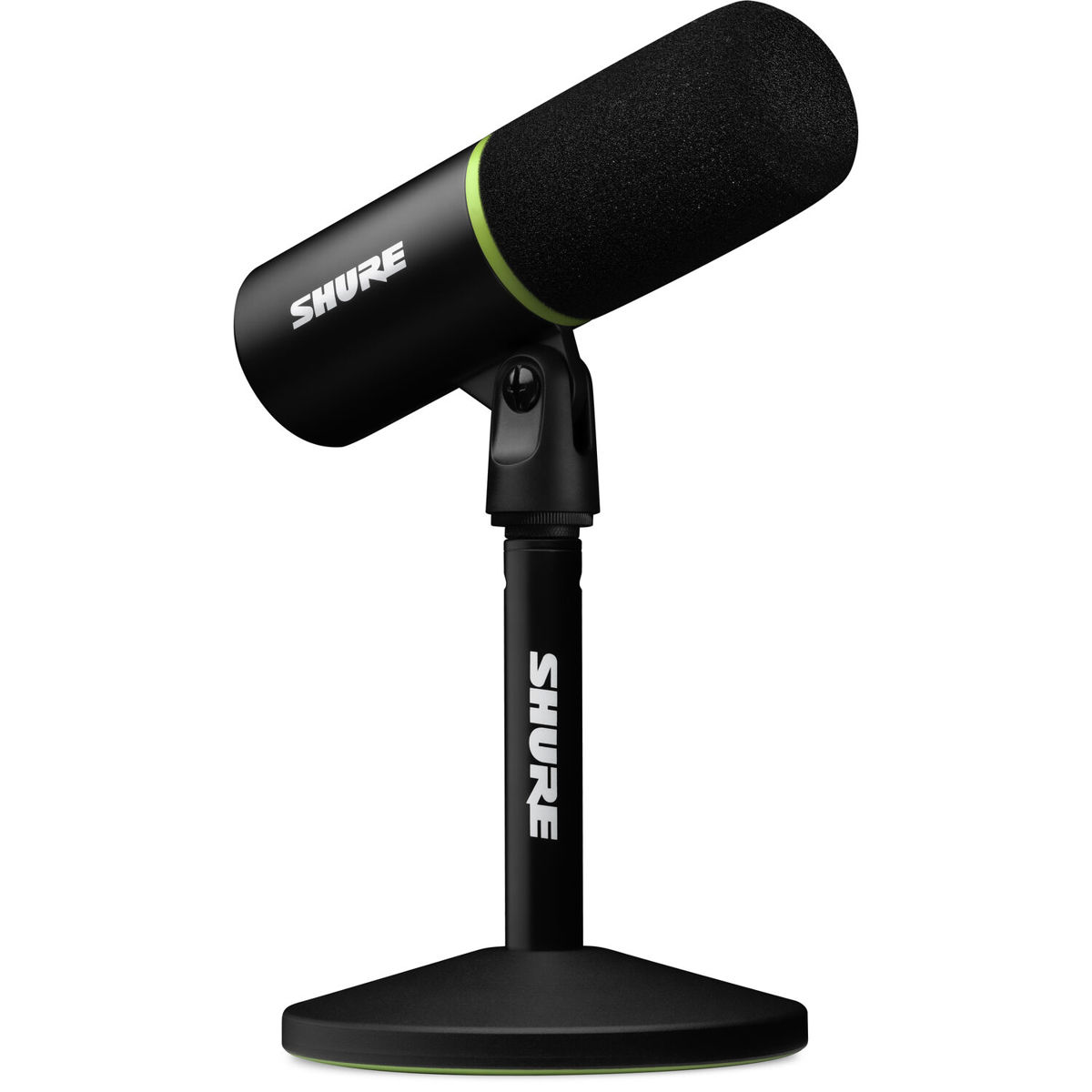
- Which is better for streaming on Twitch?
- The MV6 is easier for most streamers because Auto Level and the denoiser keep levels steady without tweaking. The Wave 3 is better if you run multiple audio sources and want separate mixes for you and your viewers.
- Which handles a noisy room better?
- The MV6. Its dynamic capsule and cardioid pattern reject room noise, and the real-time denoiser removes fans and hum. The Wave 3's condenser capsule captures more of the room.
- Which sounds more detailed?
- The Wave 3, on paper. Its condenser capsule reaches 20 kHz versus 15 kHz on the MV6, so it captures more high-end detail. The MV6 trades that brightness for noise rejection.
- Do both have headphone monitoring?
- Yes. Both have a 3.5mm headphone output. The Wave 3 adds a dial to blend mic and PC audio; the MV6 sets the monitor mix in the MOTIV Mix app.
- Which is built better?
- The MV6 has an all-metal body and a round-base desktop stand. The Wave 3 uses a plastic body and weighs 9.88 oz.
- Is the Wave 3 worth stepping up to?
- Yes if you will use Wave Link's mixer and two-mix routing. If you only need clean voice capture, the MV6's built-in processing may suit you better.
- Does the MV6 come with a stand and cable?
- Yes. It ships with a 12cm round-base desktop stand and a 2m USB-C to USB-C cable. The Wave 3 listing includes no stand.
- Which mic lasts longer?
- The MV6's all-metal body should hold up better to knocks and travel. The Wave 3's plastic shell and capacitive mute sensor are more exposed to wear.
- Which is better for podcasting with a co-host?
- The Wave 3, because Wave Link builds two independent mixes, one for you and one for your audience. The MV6 is a single-mic tool with no separate mix routing.
- Does the MV6 need a pop filter?
- No. Shure's Digital Popper Stopper processing removes plosives in the mic, so you can skip a physical pop filter. The Wave 3 has no equivalent built-in plosive control.