Shop
  • Deals
  • Black Friday
  • Buying guides
  • Brands
  • Stores
Travel
  • Flight deals
  • Hotel deals
Company
  • Research
  • Press
  • deal.ai apps
Black Friday 2026
  • Walmart
  • Best Buy
  • Target
  • TVs
  • Laptops
  • Headphones
  • Apple
  • Gaming
  • Vacuums
  • Kitchen
  • Toys
  • Smartwatches
  • Tablets
  • Furniture
  • Mattresses
© Deal.ai Inc.
TermsPrivacy
BrowseBrowse deal.ai
Deal.ai › Compare

Rode NT1 5th Generation vs Audio-Technica AT4040

Buy the Rode NT1 5th Generation if you want one mic that works over USB today and XLR later, or if you record in an untreated room where its very low self-noise helps. Buy the Audio-Technica AT4040 if you already have an interface and want a transformerless true condenser with a switchable low-cut and proven instrument results. The Rode's lowest recent price was $159.00 on October 29, 2026, against a high of $249.00 on November 2, 2026; no current AT4040 price was supplied, so compare live store prices before deciding.

Ask our shopping agent

It checks today's price at every store, compares the alternatives and answers in about a minute.
Enter to send, Shift+Enter for a new line

Rode
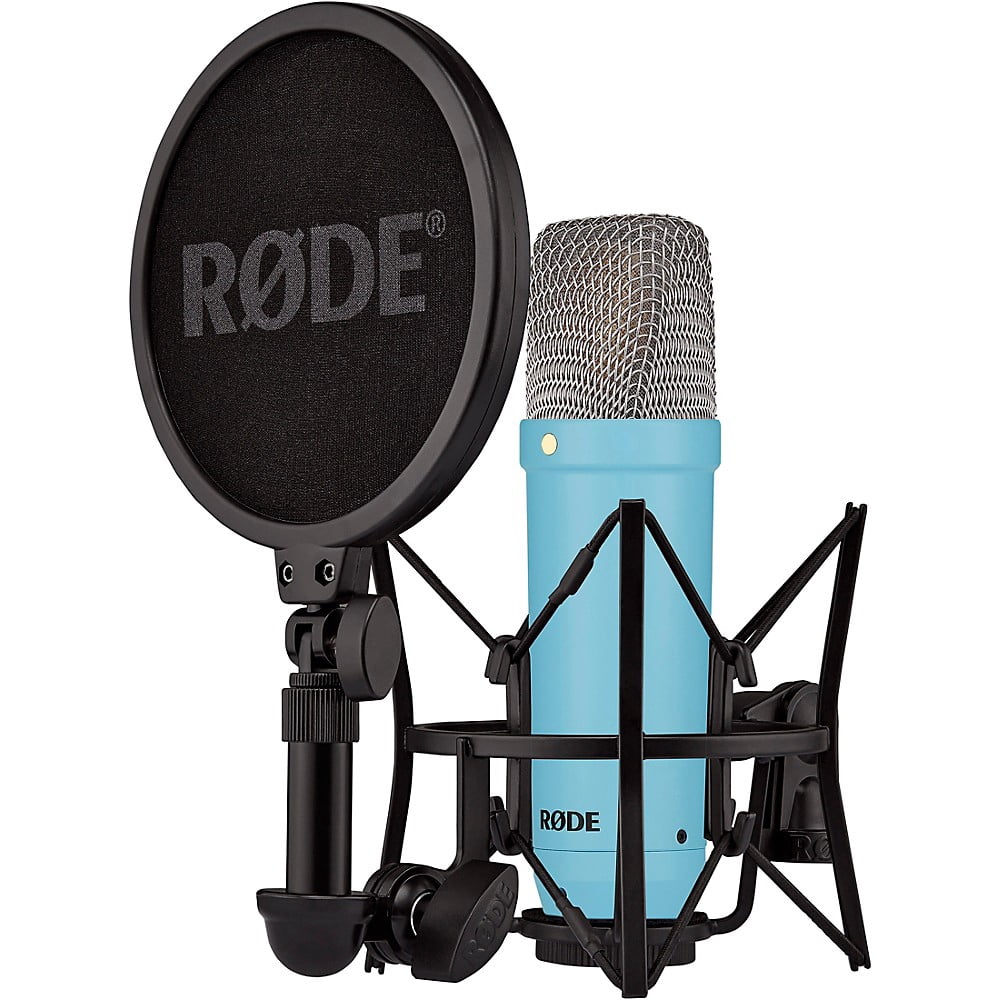
Rode NT1 5th Generation Condenser Microphone

Rode NT1 5th Generation

Rode NT1 5th Generation Condenser Microphone

4.8(5 ratings)
See all prices and details

Choose the Rode NT1 5th Generation if you want dual XLR and USB-C connectivity, 32-bit float digital output and on-board DSP in one microphone.

Pros
  • Works over USB-C with no interface, then moves to XLR later
  • 32-bit float digital output resists clipping in loud takes
  • Low self-noise suits quiet vocals and voice-over
  • Comes with shock mount, pop filter and both cables
  • Neutral, smooth tone reviewers call excellent for vocals
Cons
  • No switchable low-cut filter or pad
  • USB mode adds a digital stage some engineers prefer to avoid
  • Cardioid only
  • Reviewers note limited noise isolation, so room treatment still matters
Audio-Technica
Audio Technica AT4040 Large Diaphragm Studio Microphone

Audio-Technica AT4040

Audio Technica AT4040 Large Diaphragm Studio Microphone

See all prices and details

Choose the Audio-Technica AT4040 if you already own an audio interface and want a transformerless true condenser with an 80 Hz low-cut filter for instruments and vocals.

Pros
  • Transformerless circuitry keeps low-frequency distortion down
  • 12 dB SPL self-noise and 133 dB dynamic range
  • 80 Hz low-cut filter helps on close vocals and rumble
  • Handles high SPL for drums and loud sources
  • Ships with shock mount, dust cover and carrying case
Cons
  • XLR only; needs an interface and phantom power
  • No USB or digital output
  • Heavier at 360 g
  • No pop filter included

What separates them

Rode NT1 5th GenerationAudio-Technica AT4040
ConnectivityXLR and USB-C (Dual Connect)XLR only, 48V phantom power
Digital output32-bit float over USB with on-board DSPNone; analog output only
Self-noiseVery low; described as quiet and detailed12 dB SPL, exceptionally low
Max SPL142 dBHigh-SPL capable; dynamic range 133 dB
Filters and padsNo switchable low-cut or pad listed80 Hz, 12 dB/octave low-frequency roll-off
CircuitryUpgraded analog circuit, transformer-based designSymmetrical transformerless circuit
Included accessoriesShock mount, pop filter, XLR cable, 10-foot USB-C cableAT8449a shock mount, dust cover, carrying case
Weight308 g360 g

Price history

$329.00$159.00
Oct 29Nov 2
  • Rode NT1 5th Generation: lowest $159.00 on Oct 29; $249.00 on Nov 2.
  • Audio-Technica AT4040: lowest $329.00 on Nov 2 at Sweetwater.

Prices at every store

Rode NT1 5th Generation

  • Micro CenterCheck price at Micro Center
  • RØDECheck price at RØDE
  • TargetCheck price at Target
Prices and history →

Audio-Technica AT4040

  • Alto MusicCheck price at Alto Music
  • AdoramaCheck price at Adorama
  • AmazonCheck price at Amazon
Prices and history →

Specs compared

SpecRode NT1 5th GenerationAudio-Technica AT4040
Weight308 g12.7 oz (360 g)
Frequency Response20Hz - 20kHz20-20,000 Hz
Signal-to-noise ratio4 dB82 dB, 1 kHz at 1 Pa
Connector TypeXLR, USB—
InterfacesXLR—
Wireless TechnologyWired—
Included AccessoriesPop filter, Shock mount—
Power Source48V (phantom power)—
DirectionalityCardioid—
FormatCondenser—
SubtypeCondenser—
TypeStudio microphone—
Show all 40 specsShow fewer specs
SpecRode NT1 5th GenerationAudio-Technica AT4040
Diaphragm SizeLarge-diaphragm—
Signal TypeDigital, Analog—
UseStudio recording—
Impedance100Ω—
Form FactorCondenser—
DurabilityMetallic grille protects the capsule—
StyleMatte black finish—
MaterialAluminum—
Cable Length10-foot (USB-C)—
Depth52 mm

What reviewers say

Rode NT1 5th Generation

Reviewers praise the NT1 5th Generation for clear, neutral sound and a solid build, and many call it excellent for vocals and voice-over. The main complaint is that it does little to isolate noise from the room.

What people mention
  • Sound qualityPraisedOwners describe a clear, neutral tone with a rich low end and smooth top.
  • BuildPraisedThe aluminum body and metal grille feel premium and durable.
  • NoiseMixedThe mic itself is quiet and detailed, but it picks up room noise easily.
  • ConnectivityPraisedXLR and USB-C in one mic suits both interface and direct-to-computer setups.

Audio-Technica AT4040

Owners and reviewers treat the AT4040 as a dependable, neutral-sounding condenser that punches above its price. It is most often praised for low noise and clean detail on vocals and acoustic instruments, with some noting it is brighter than tube-style mics.

What people mention
  • Noise floorPraisedOwners say the 12 dB self-noise keeps quiet sources clean.
  • ToneMixedMany call it natural and balanced; some find it bright on certain voices.
  • BuildPraisedThe brass body and included shock mount feel solid and durable.
  • FeaturesCriticisedReviewers miss a pad switch and alternate polar patterns.
Reviews
  • Best microphones for recording
  • Best vocal microphones: Sound your best live, at home or in the studio - Browse earbuds

Questions and answers

Which is better for podcasting without an interface?
The Rode NT1 5th Generation. Its USB-C connection and 32-bit float output let you record straight to a computer, while the AT4040 needs an interface with 48V phantom power.
Which has lower noise?
The AT4040 is rated at 12 dB SPL self-noise, which is exceptionally low. The Rode is also praised as quiet, but Rode does not publish a comparable figure in the specs given here.
Is the Rode worth the extra over the AT4040?
Only if you value USB recording, 32-bit float and the bundled pop filter and cables. If you already have an interface, the AT4040's low-cut filter and transformerless circuit are strong reasons to save.
Which handles loud sources better?
The Rode lists a 142 dB max SPL. The AT4040 does not list a max SPL figure here but pairs high-SPL capability with a 133 dB dynamic range, so both cope with drums and amps.
Which is better for acoustic guitar and instruments?
The AT4040's transformerless circuit and 80 Hz low-cut make it a common pick for instruments. The Rode's neutral tone also works, but it lacks the filter for taming rumble.
Do both include a shock mount?
Yes. The Rode ships with a studio shock mount and pop filter; the AT4040 ships with the AT8449a shock mount, a dust cover and a carrying case.

More comparisons

  • Rode NT1 5th Generation Condenser Microphone vs AKG C314 Multi Pattern Condenser Microphone
  • Audio Technica AT4040 Large Diaphragm Studio Microphone vs AKG C214
  • Audio-Technica AT2020 Cardioid Condenser Studio XLR Microphone vs Rode NT1 5th Generation Condenser Microphone
  • Audio Technica AT4040 Large Diaphragm Studio Microphone vs Warm Audio WA-47jr FET Condenser Microphone

Buying guides that pick them

  • Best studio recording microphones
—
Height189 mm—
Width52 mm—
Max SPL142 dB, 142 dB SPL—
Microphone typeMicrophone—
Mic techCondenser—
Microphone polar patternCardioid—
BrandRODE—
ConnectionXLR—
AccessoriesStudio-grade shock mount, Pop filter, Premium X…—
Freq range20 kHz—
ColorBlue—
Assembled product weight4.7 lb—
ModelNT1SIGNATUREBLUE—
Element—Externally-polarized (DC bias) condenser
Polar Pattern—Cardioid
Low Frequency Roll Off—80 Hz, 12 dB/octave
Open Circuit Sensitivity—-32 dB (25.1 mV) re 1V at 1 Pa
Noise—12 dB SPL