- Which is better for daily wear?
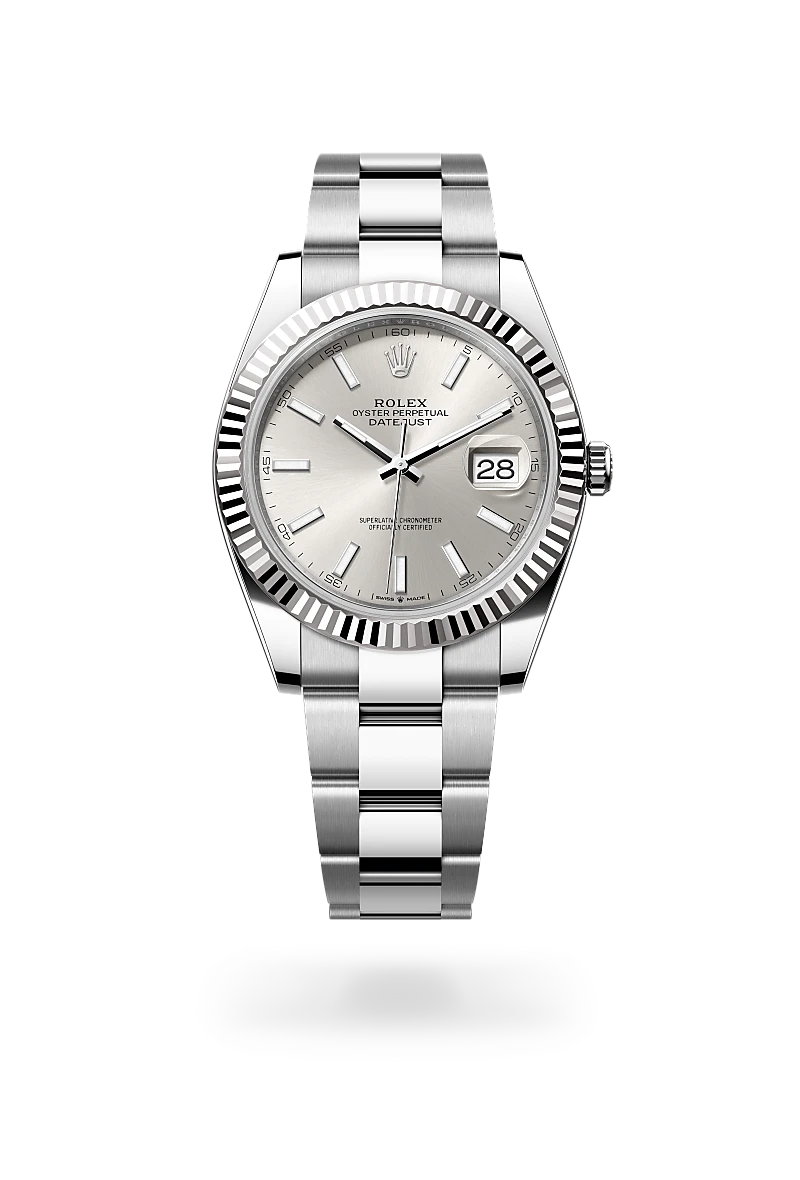
- The Datejust 41. The date, two-tone finish and smooth or fluted bezel suit office and evening wear, and it is easier to buy at retail. The Daytona works daily too, but its chronograph and ceramic bezel are aimed at sportier use.
- Which holds its value better?
- The Daytona. Steel Daytonas are allocation-only at most dealers and commonly trade above retail on the secondary market. The Datejust 41 is widely stocked and usually sells closer to retail.
- Is the Daytona worth the extra money?
- Only if you want a chronograph and the collectible steel sports look. The Datejust 41 gives you a date and a dressier two-tone case, and it is the easier of the two to buy at an authorized dealer. Check live prices on this page before deciding.
- Which lasts longer?
- Both are built to last decades with servicing every 5 to 10 years. The Daytona's ceramic bezel resists scratches better than the Datejust's gold bezel, but the gold can be polished.
- Do both fit the same wrists?
- Nearly. The Datejust 41 is 41 mm and the Daytona is 40 mm, so the difference is about 1 mm. Try both on, since the Daytona's pushers and thicker case change how it sits.
- Which has better water resistance?
- They are equal at 100 m (330 ft). Neither is a dive watch, so both are fine for swimming but not for diving.
- Is the Daytona worth stepping up to?
- Only if you want a chronograph and the collectible steel sports look. The Datejust 41 gives you a date and a dressier two-tone case. Check live prices on this page before deciding.
- Which movement is more accurate?
- Both carry Superlative Chronometer certification after casing. Rolex rates the Datejust's Calibre 3235 at -2/+2 seconds a day, and the Daytona's Calibre 4131 meets the same standard.
- Does either come with a date?
- Only the Datejust 41, which shows the date under a Cyclops magnifier. The Daytona has no date; its extra dial space goes to the chronograph counters.