It checks today's price at every store, compares the alternatives and answers in about a minute.
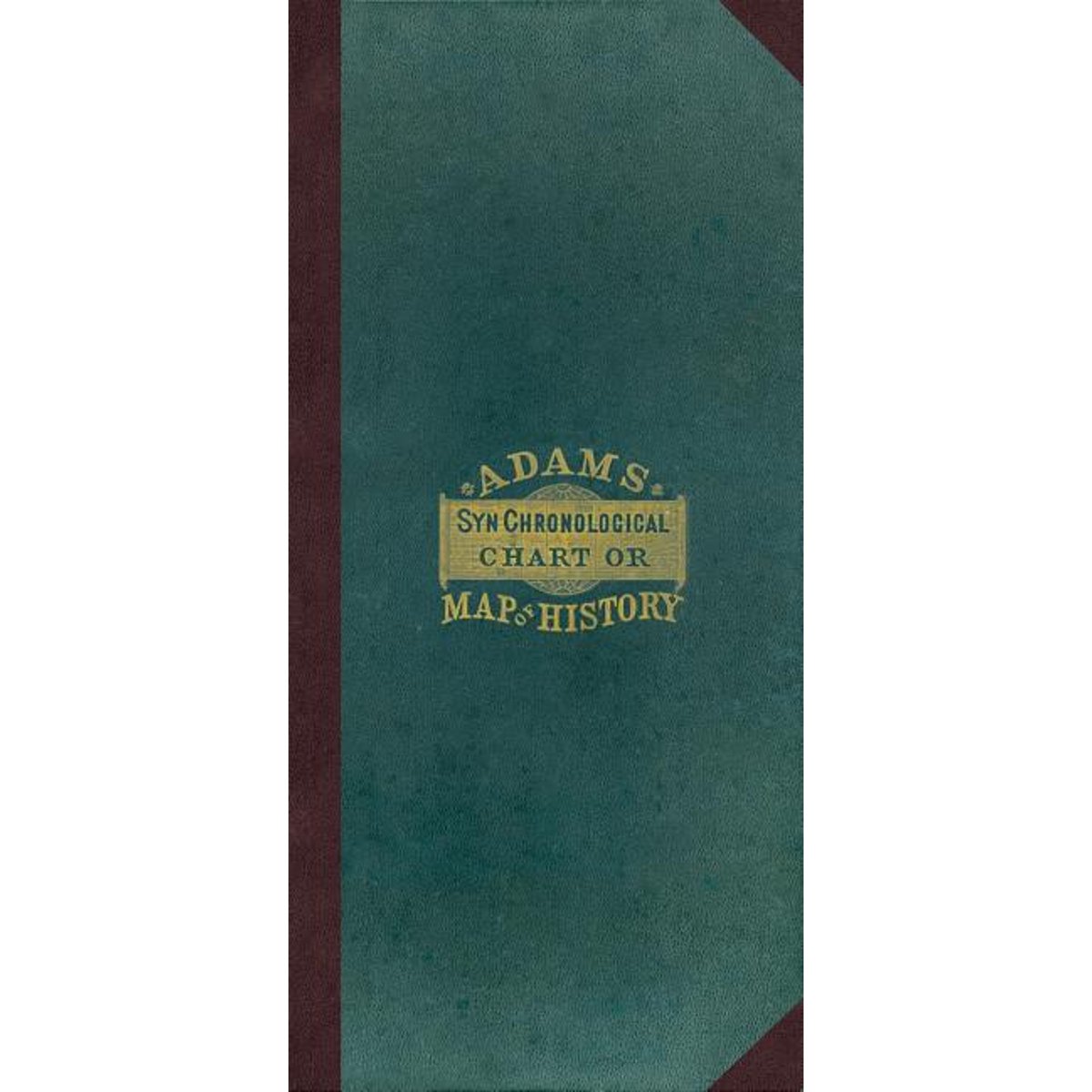
A reproduction of Sebastian Adams' 1871 timeline chart, unfolding to 23 feet long and 27 inches tall across 21 panels. It lays out world history from ancient civilizations through the 19th century in synchronized columns, with period illustrations, lineage trees and decade-by-decade markings. It suits homeschoolers, history teachers and enthusiasts who want a wall-scale visual reference rather than a narrative book. Compared with modern timeline posters and illustrated histories, it offers unmatched scale and 19th-century character, but its biblical chronology and Victorian viewpoint are dated.
In stockSold by Seller
In stock
Availability unknown
Availability unknown
Availability unknown
As an Amazon Associate, Deal.ai earns from qualifying purchases.
Availability unknown
Availability unknown
Availability unknown
Availability unknown
Availability unknown
Availability unknown
Availability unknown
Availability unknown
Store links may earn us a commission.
Lowest price we've seen: $19.99 on Nov 11 at Walmart. Tracked across 13 stores since Nov 11.
Buyers rate it highly as a striking, unusual reference and display piece. Some note the dated chronology and the awkwardness of handling such a long foldout.
This is a reproduction of Sebastian Adams' historical timeline chart, first published in 1871. It presents world history from ancient civilizations through the 19th century. The chart lets you compare cultures, kingdoms, and events across continents and eras.
It unfolds to 23 feet long and 27 inches tall and is made up of 21 panels. Synchronized charts, flow diagrams, and lineage trees lay out the timelines, with vertical markings for decade-by-decade reference. It covers Assyrian, Babylonian, Persian, Greek, Roman, European, and early American civilizations.
The chart is illustrated with period artwork showing significant events, architectural landmarks, historical figures, inventions, and cultural developments. Handwritten-style annotations give it a 19th-century look. It suits educators, students, homeschool settings, and history readers. The original follows a 19th-century biblical chronological framework. This reproduction is based on a public domain work.