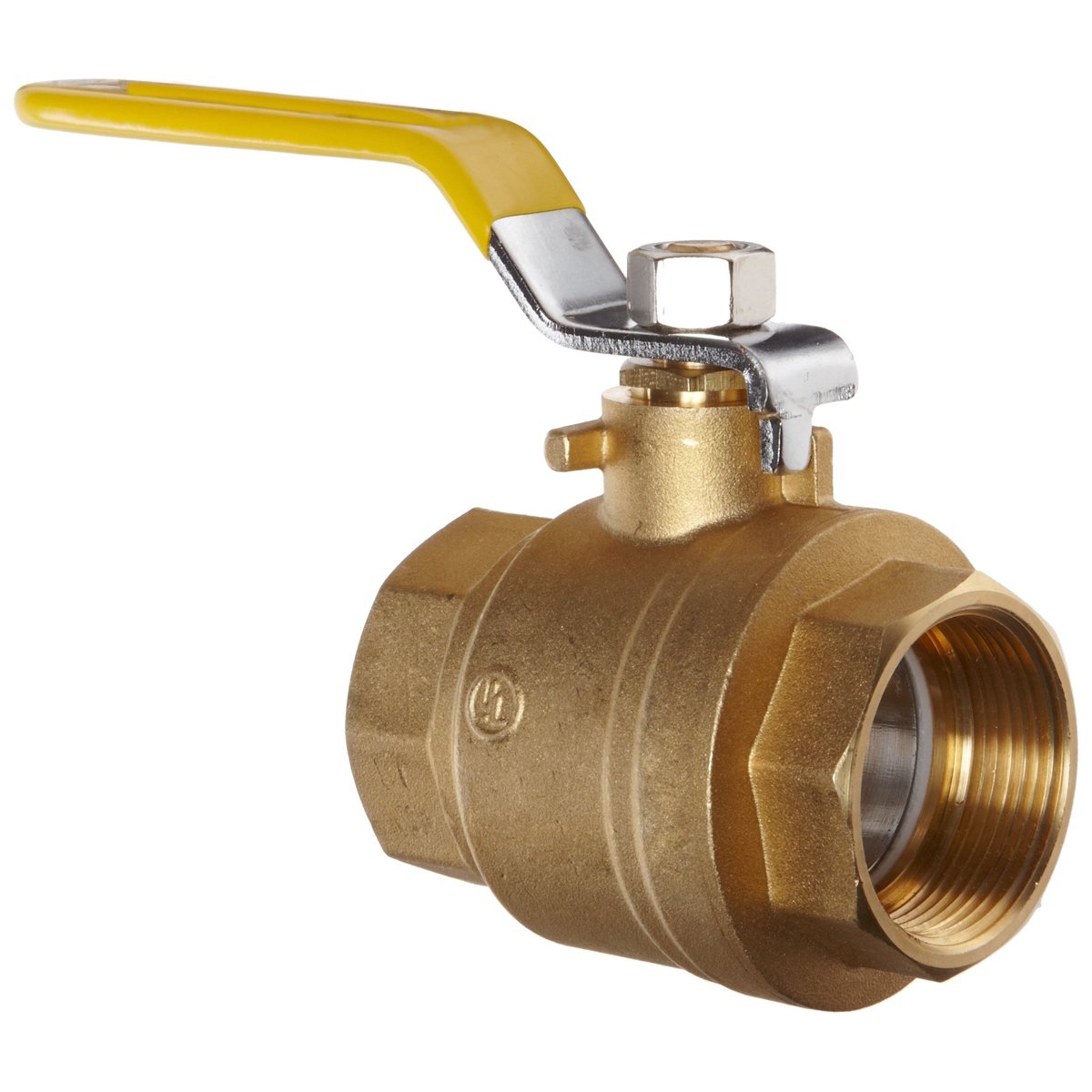
Apollo 94A Series Brass Ball Valve
Best price now
$16.89at NeweggChecked Nov 12
Compared across 2 stores. Prices are checked against each store and labelled with when. Store links may earn us a commission. Price via Klarna.

Compared across 2 stores. Prices are checked against each store and labelled with when. Store links may earn us a commission. Price via Klarna.
It checks today's price at every store, compares the alternatives and answers in about a minute.
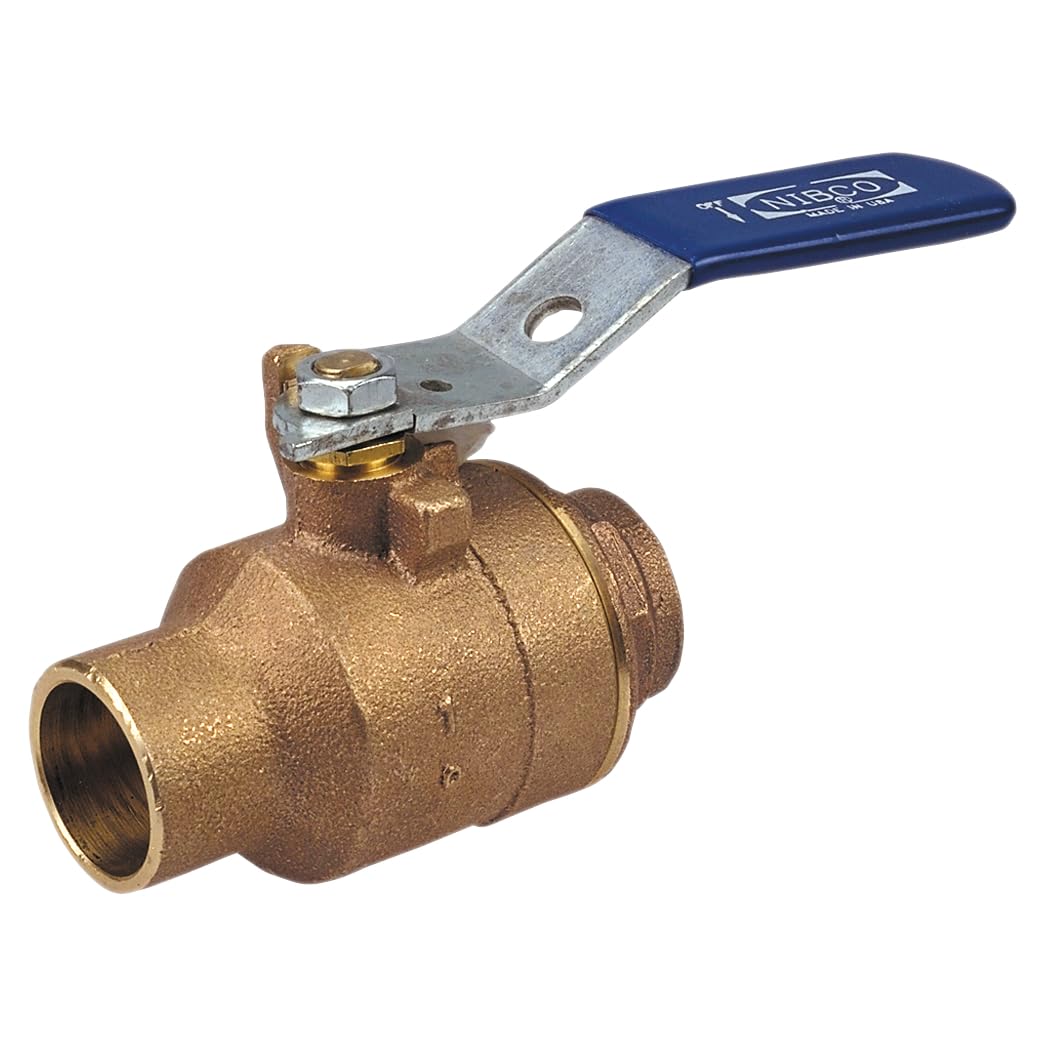
The Apollo 94A is a two-piece, full-port inline ball valve in brass with female NPT threads on both ends and a steel lever handle with a vinyl sleeve. Full port means the bore matches the pipe's inner diameter, so flow restriction is minimal, and PTFE seats and stem packing cut leakage risk. It is rated to 600 psi CWP in sizes up to 2 inches and 400 psi in larger sizes, with a 400°F maximum, and meets ANSI/NSF 61 for potable water. It suits water lines, processing plants and agricultural plumbing where a quarter-turn shutoff is wanted; against cheaper no-name brass valves it offers a known brand and NSF 61 listing, but it is a standard brass valve, not a lead-free or stainless upgrade.
In stock
In stockSold by All Things Solutions Inc.Returns: Sold by a Walmart Marketplace seller; returns go to the seller under the seller's returns policy.
Store links may earn us a commission. Some prices via Klarna.
Lowest price we've seen: $16.89 on Nov 12 at Newegg. Tracked across 1 store since Nov 12.
The Apollo 94A series is a two-piece, full port, inline ball valve made of brass. It has a lever handle and female NPT (National Pipe Taper) threaded connections on both ends. Brass gives it higher corrosion resistance than steel. The handle is steel with corrosion resistant plating and a vinyl sleeve for manual on/off control.
The valve is full port, so its inner diameter matches the inner diameter of the pipe it connects to. This reduces friction. It is an inline valve for joining two pipes running in the same direction. NPT threads create tighter seals than straight threads. PTFE seats and stem packing reduce the risk of leakage.
A ball valve controls flow with a spherical ball that has a hole through it. Flow is allowed when the hole lines up with the inlet and outlet. Turning the ball 90 degrees blocks flow. The valve is for use with water lines, processing plants, and agricultural applications, and it meets ANSI/NSF 61.