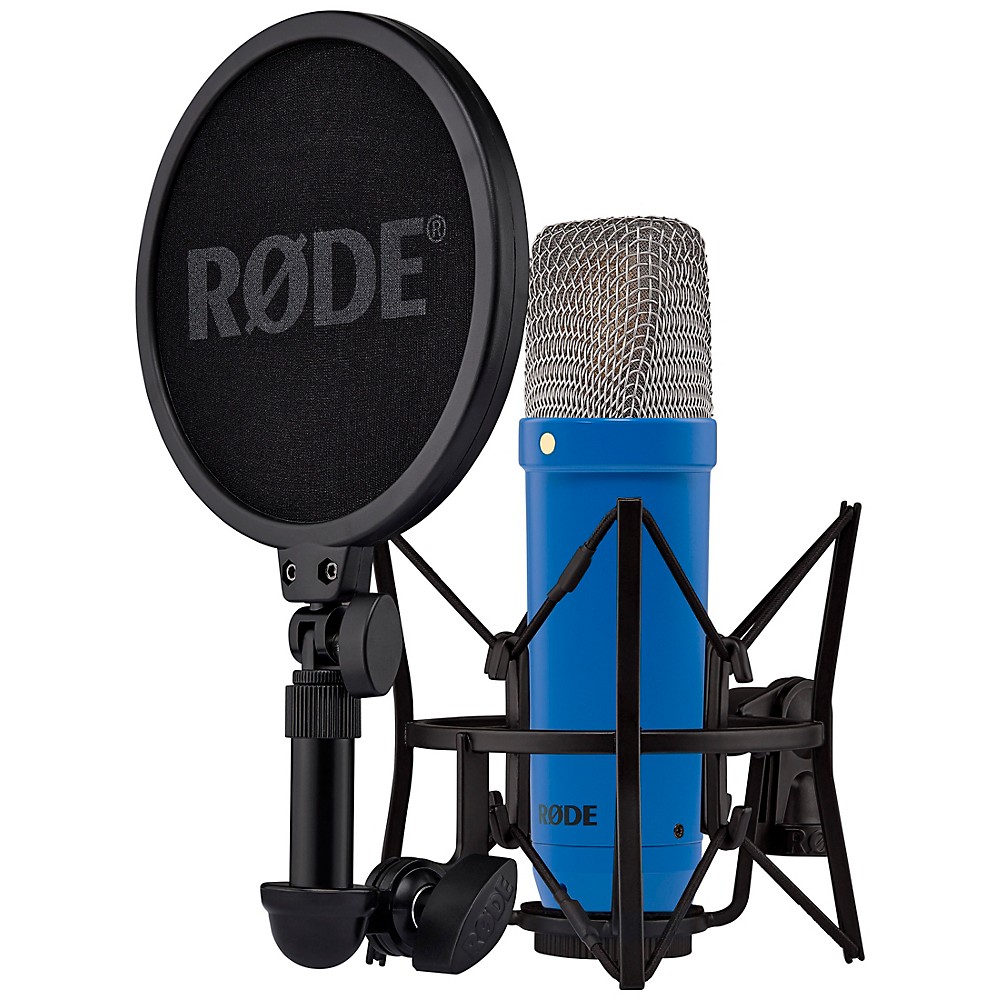
Audio-Technica AT4041 Cardioid Condenser Microphone
Best price now
$329.00at SoundProChecked Nov 9
Prices are checked against each store and labelled with when.

Prices are checked against each store and labelled with when.
It checks today's price at every store, compares the alternatives and answers in about a minute.
The AT4041 is a small-diaphragm cardioid electret condenser mic built for acoustic instruments and critical recording. Its low-mass diaphragm and transformerless circuitry give fast transients and clean handling of high SPLs, with a slight high-frequency lift that adds air to acoustic guitars, drum overheads, piano and strings. The switchable high-pass filter and turned brass body make it a practical studio and stage tool. Against rivals like the Shure SM81 or Rode NT5, it is known as a neutral, low-noise instrument mic rather than a colored one.
In stockReturn policy
Owners and reviewers treat the AT4041 as a dependable, neutral small-diaphragm condenser that shines on acoustic instruments and overheads. It is often described as clean and low-noise for the outlay, though some find it bright on certain sources and prefer a multi-pattern mic for versatility.
The Audio-Technica AT4041 is a cardioid condenser microphone with an electret condenser element. Its frequency response is smooth and extended, running from 20 to 20,000 Hz with a slight rise in the high-frequency region. The cardioid polar pattern focuses on sound from the front and reduces noise pickup from the back and sides.
The circuitry is transformerless, which eliminates low-frequency distortion and handles high sound pressure levels (SPL) and high-speed transients. A low-mass diaphragm improves transient response and increases response bandwidth. It also minimizes pickup of background noise from handling or mechanical noise transfer. A switchable high-pass filter is included.
The housing is turned brass with black chrome plating, built for durability and low reflectivity. The condenser element's back plate is permanently polarized, holds a fixed charge and is precision-aged for energy stabilization. The back plate also reduces frequency response peaks and diaphragm break-up distortion.