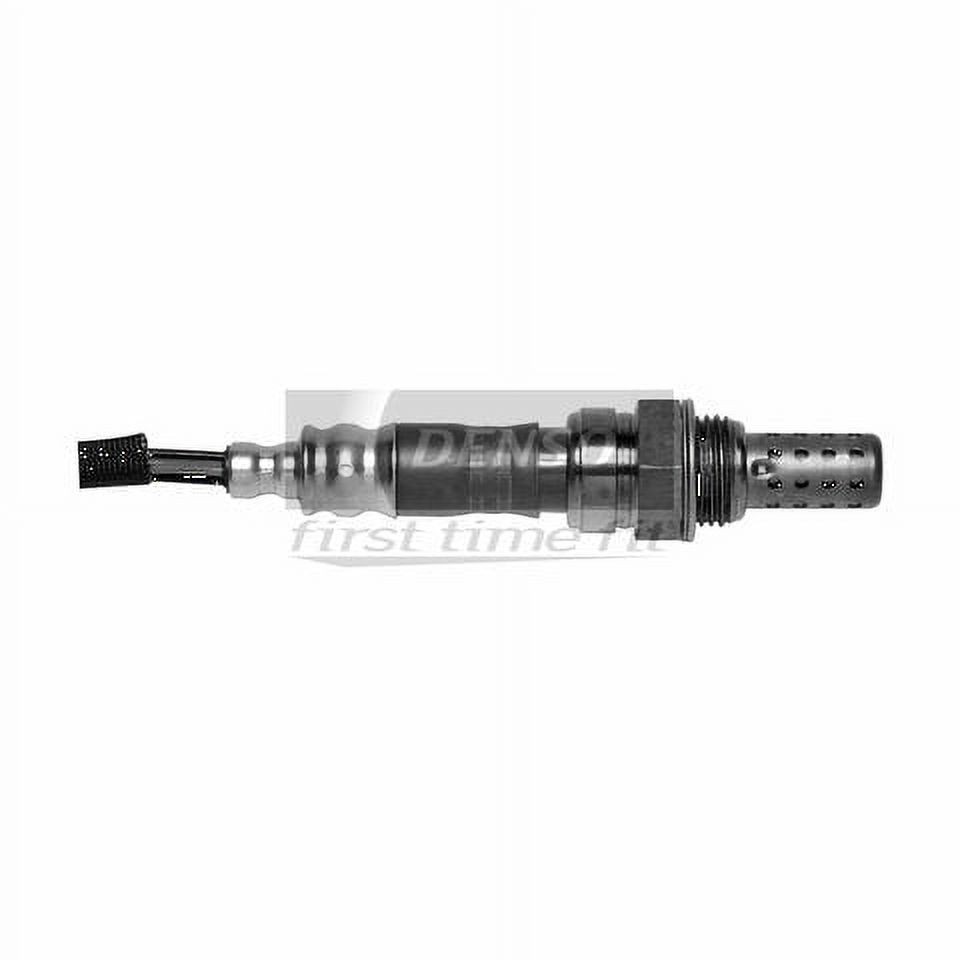
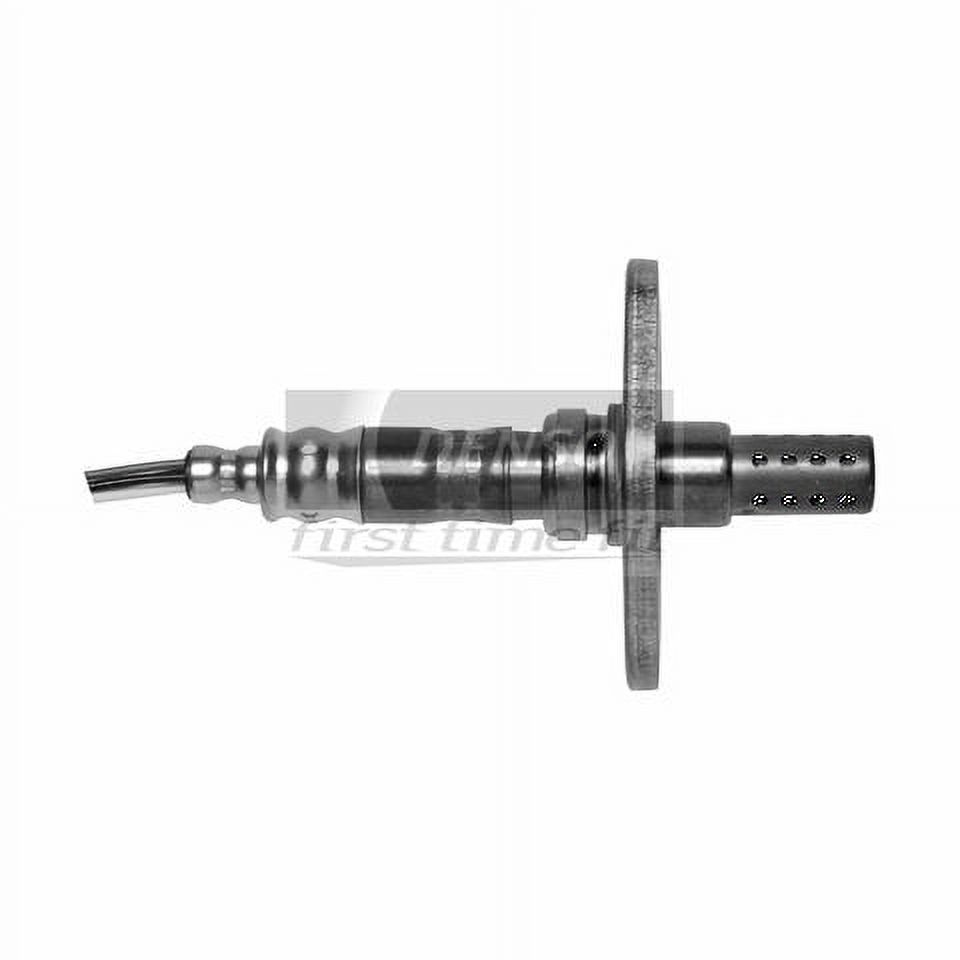
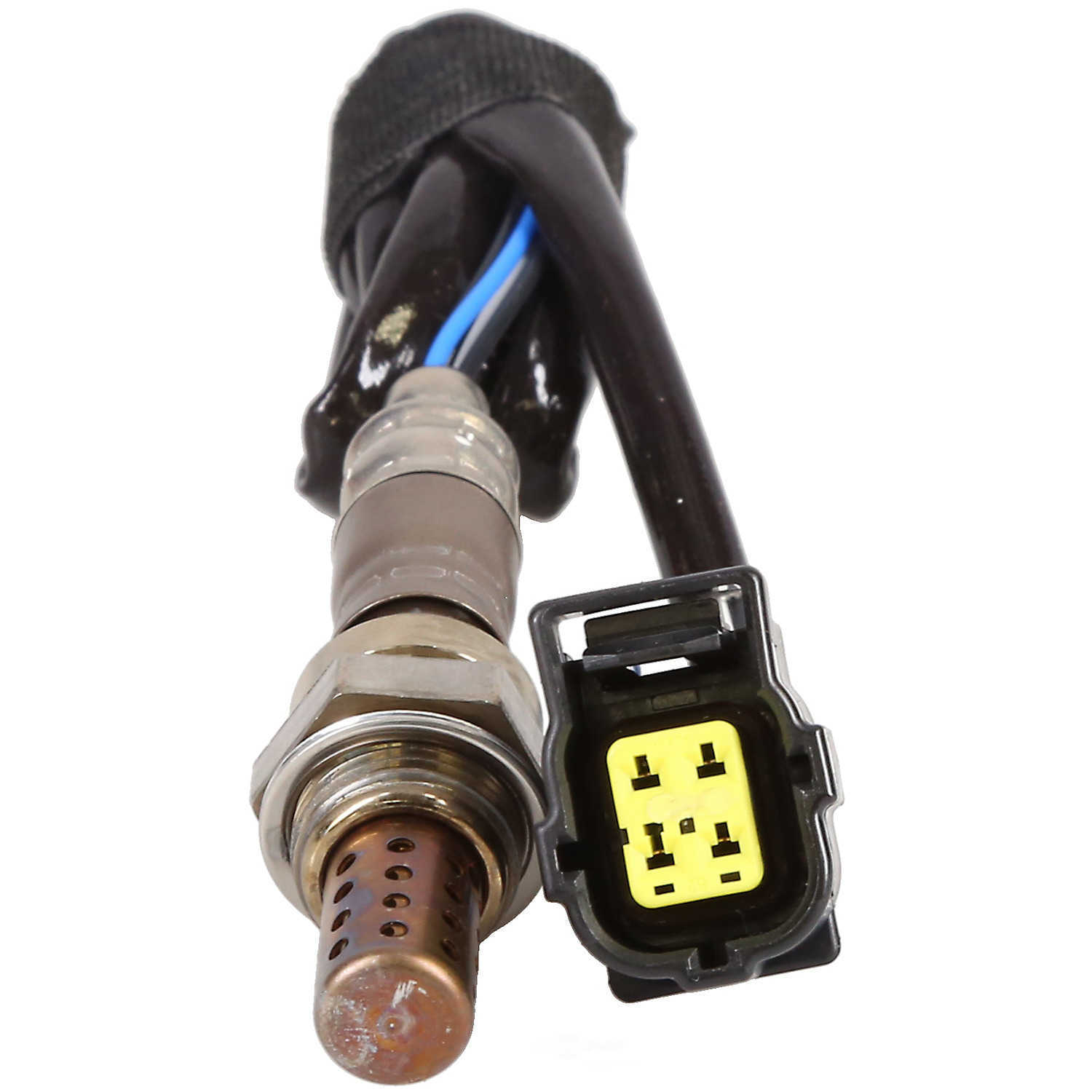
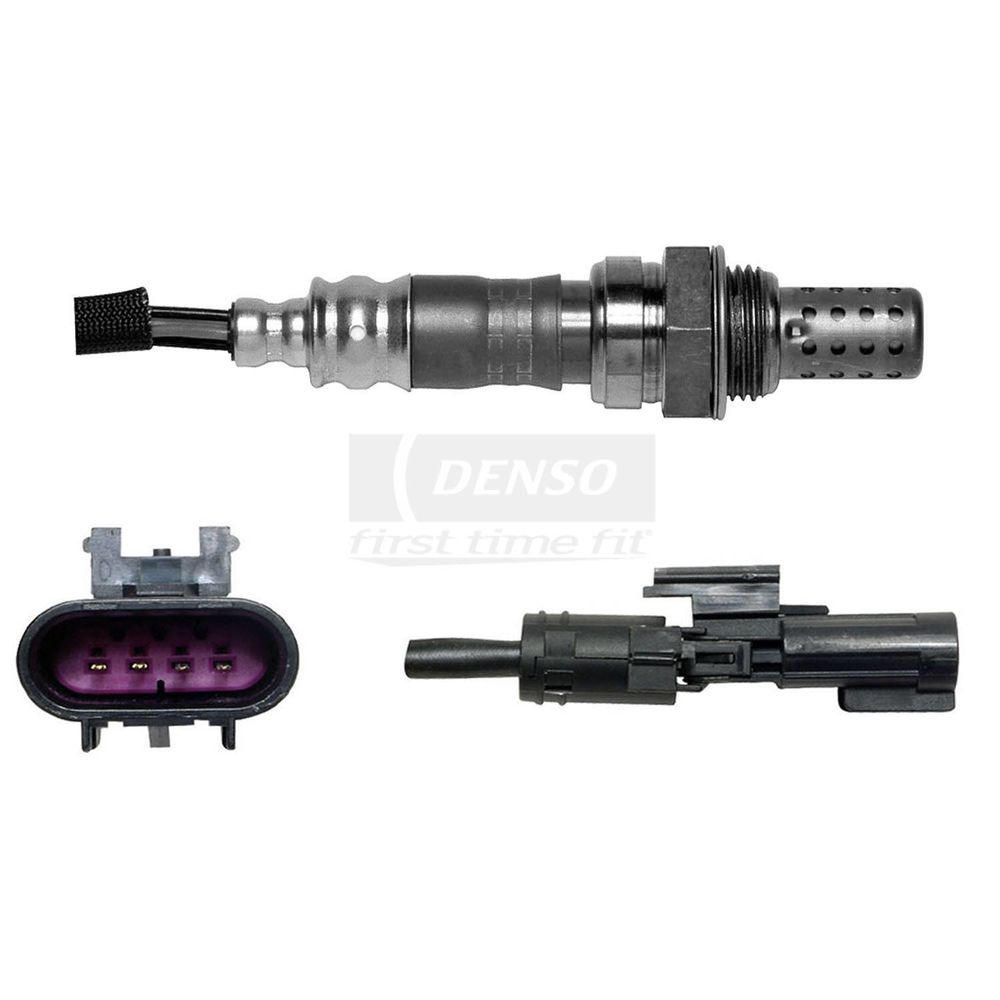
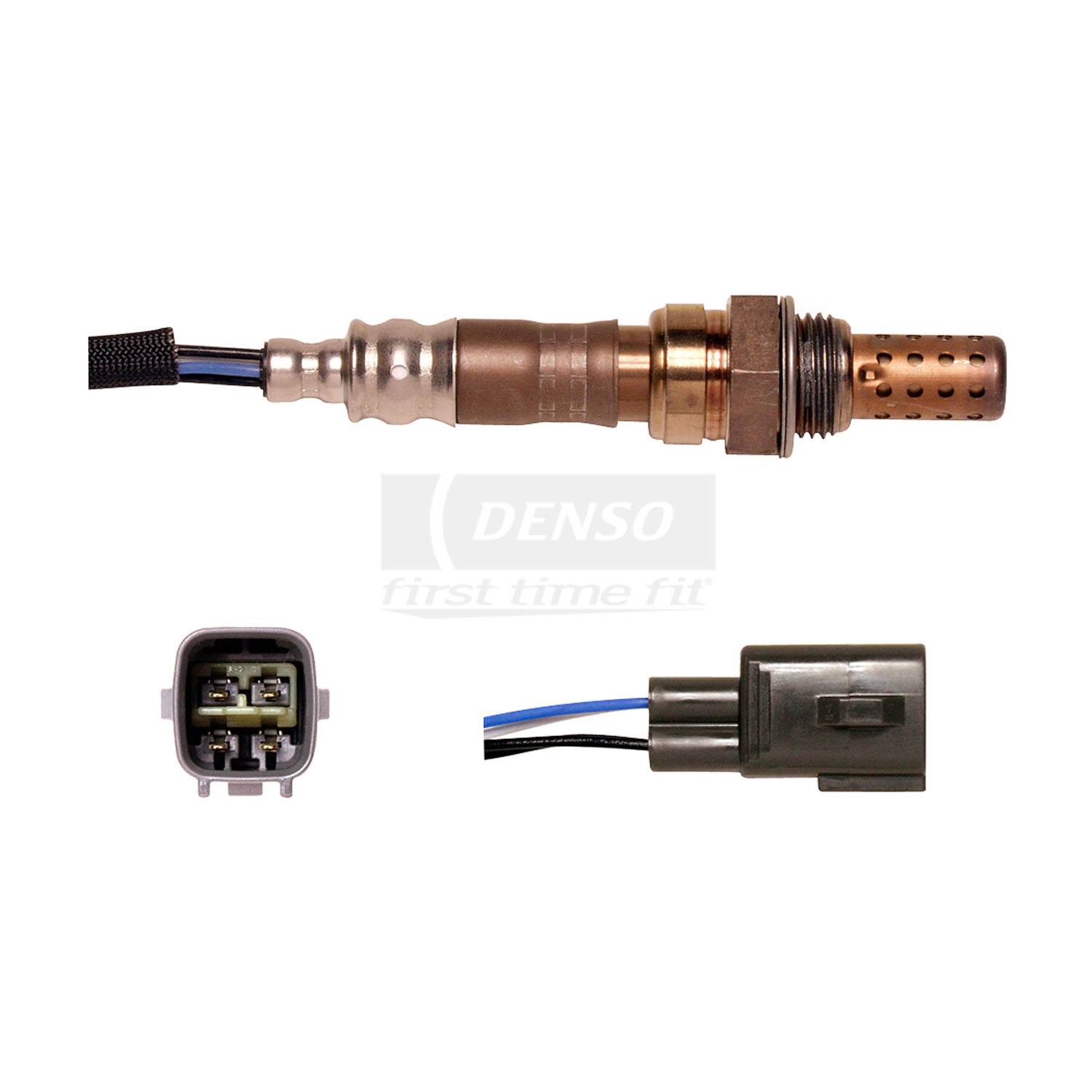
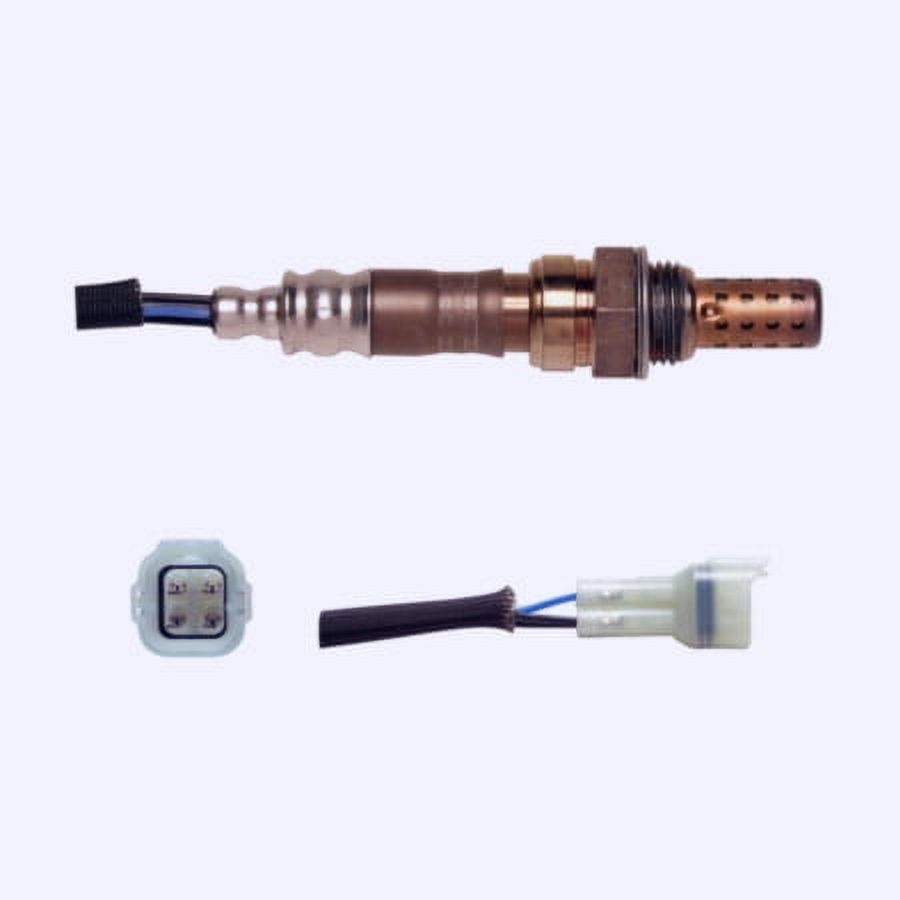
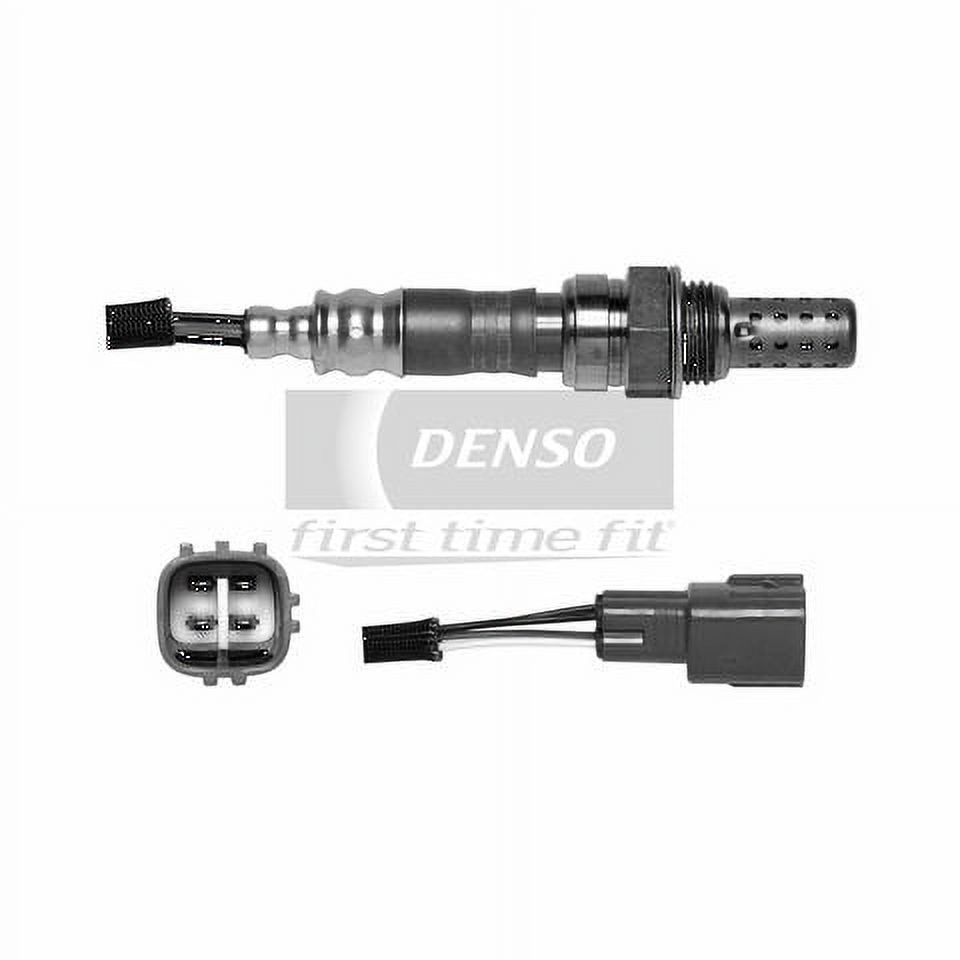
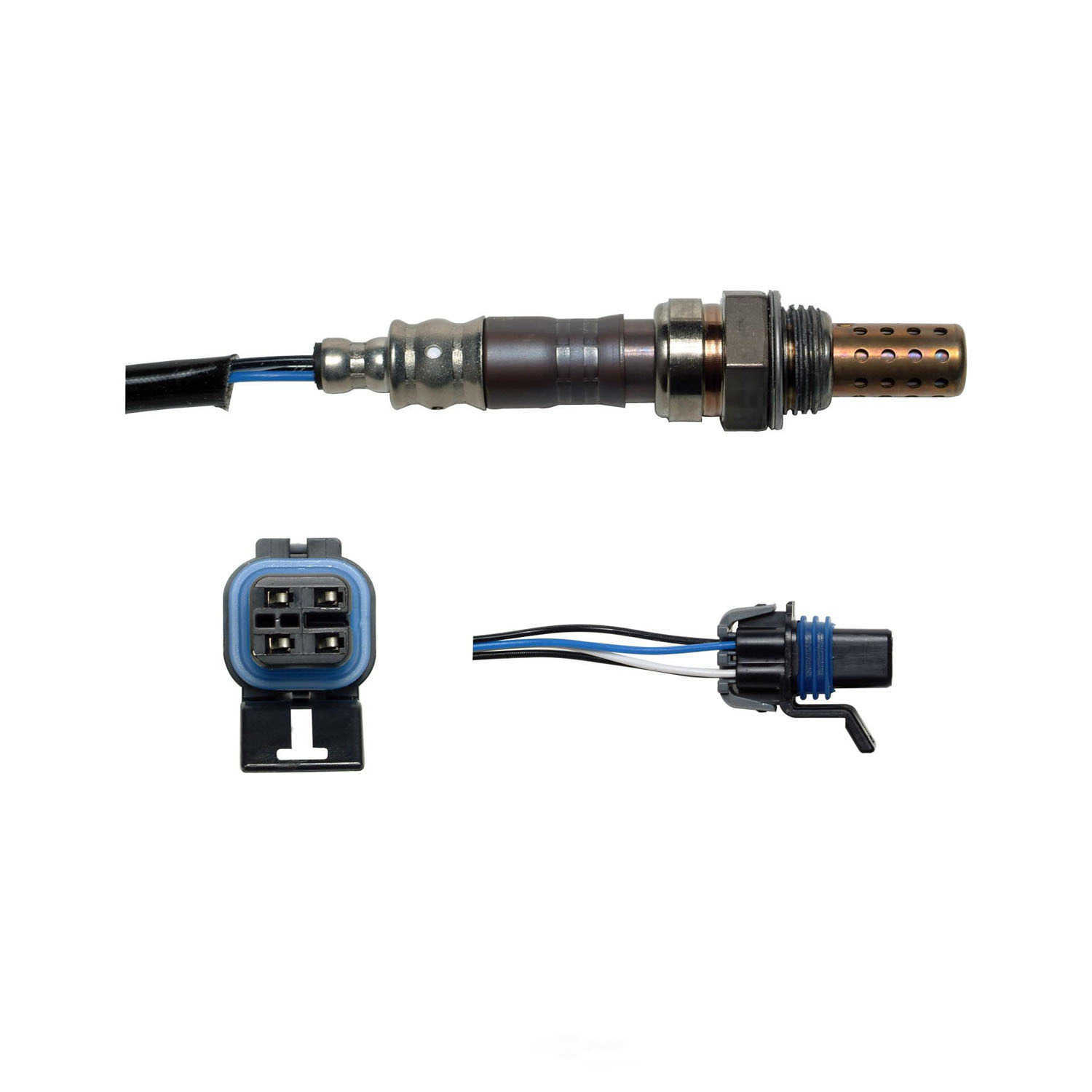
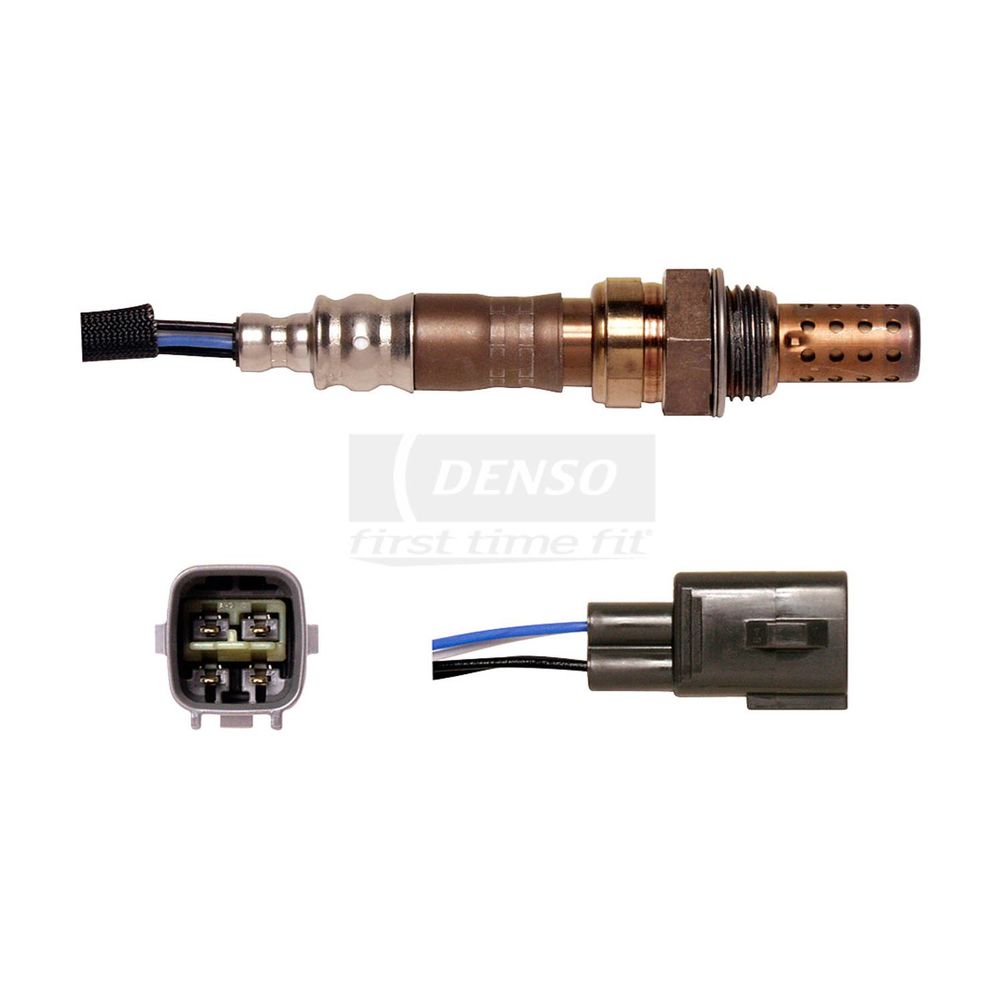
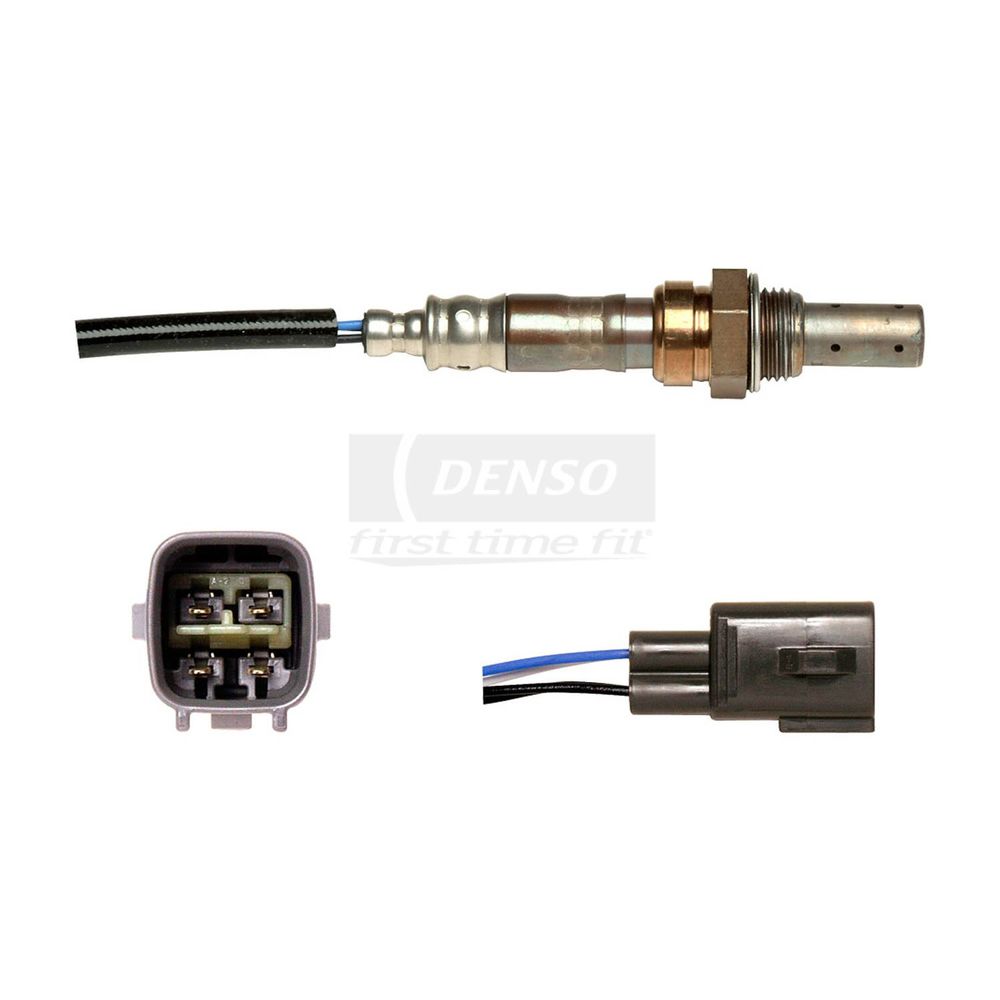
Denso OE Style Oxygen Sensor for Toyota RAV4The Denso 234-4503 is a heated, specific-fit oxygen sensor built for direct replacement in select Toyota RAV4 applications. It is engineered for the downstream position and uses a 4-wire, female connector design with a threaded mount for a precise OE-style fit.Key FeaturesOE Style replacement oxygen sensor from DensoSpecific fit for direct installation on listed Toyota RAV4 applicationsHeated sensor design for faster operating response4-wire configuration with female connectorThreaded mounting type with 0.708 in. thread diameterWiring harness length: 25.98 in.Product DetailsDenso 234-4503 is manufactured and tested to OE standards for accurate replacement performance. The sensor uses Denso’s aluminum oxide trap layer to help protect the ceramic element from silicone and lead contamination, supporting stable engine management and consistent emissions feedback. This OE-style design is a direct replacement choice for 2003 Toyota RAV4 downstream oxygen sensor service and 2004-2005 Toyota RAV4 downstream oxygen sensor replacement.This part cross-references Bosch 15620 and NTK 24236 for the same application.Common Issues This Sensor Can AddressCheck engine light related to oxygen sensor performanceIncorrect air-fuel ratio feedback from a worn downstream sensorReduced fuel economy caused by inaccurate exhaust monitoringEmissions test failures tied to sensor response issuesRougher engine operation from degraded exhaust sensor outputInstallation NotesFits 2003 Toyota RAV4, downstream. Fits 2004-2005 Toyota RAV4, downstream. Confirm connector style, thread size, and sensor position before installation. Use proper oxygen sensor service tools and inspect the harness routing to avoid strain on the lead wire during installation.Quality AssuranceDenso builds this OE Style oxygen sensor to strict original-equipment standards for fit and function. The precision-built design supports first-time fitment on the listed Toyota RAV4 applications and is backed by Denso’s OE-focused manufacturing approach.