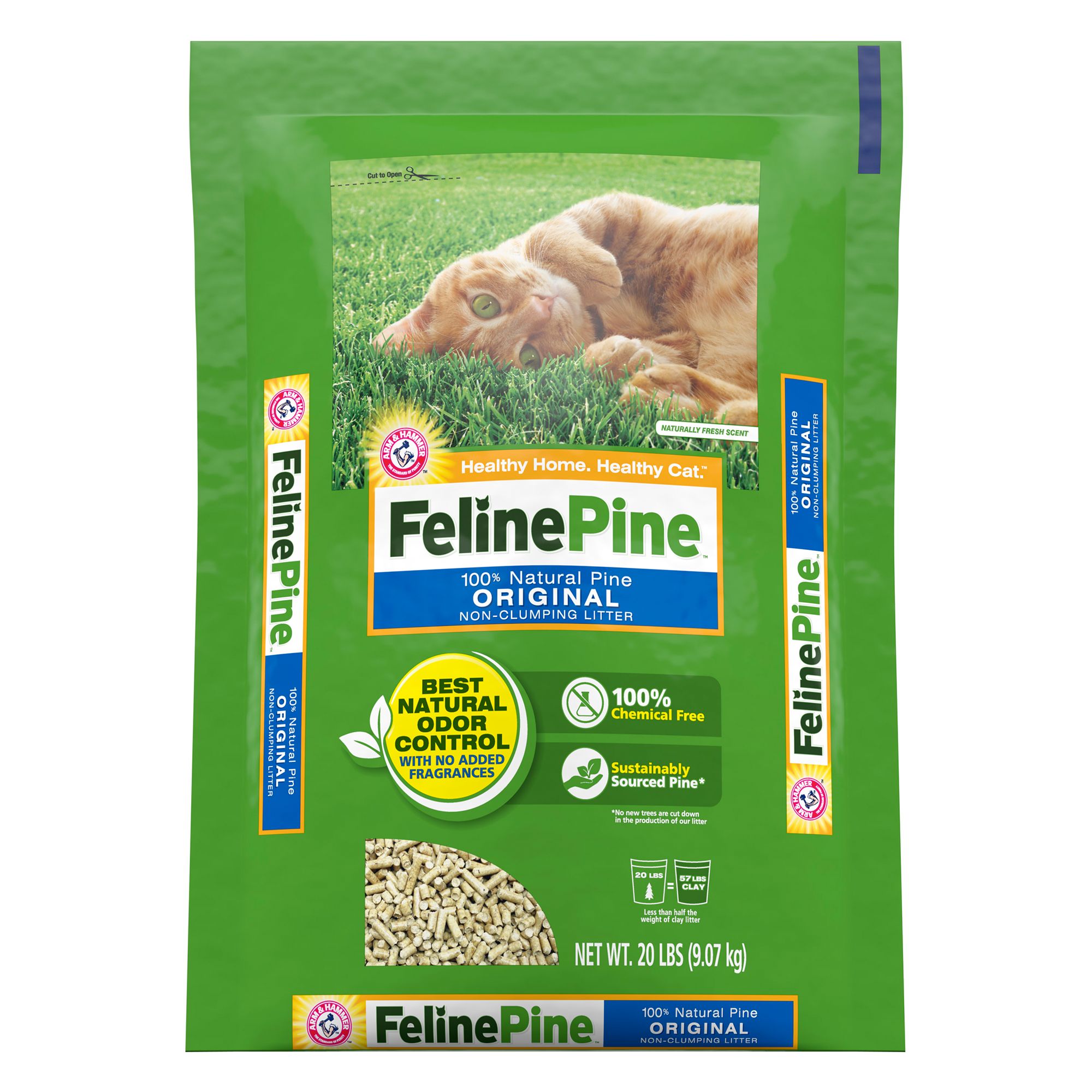
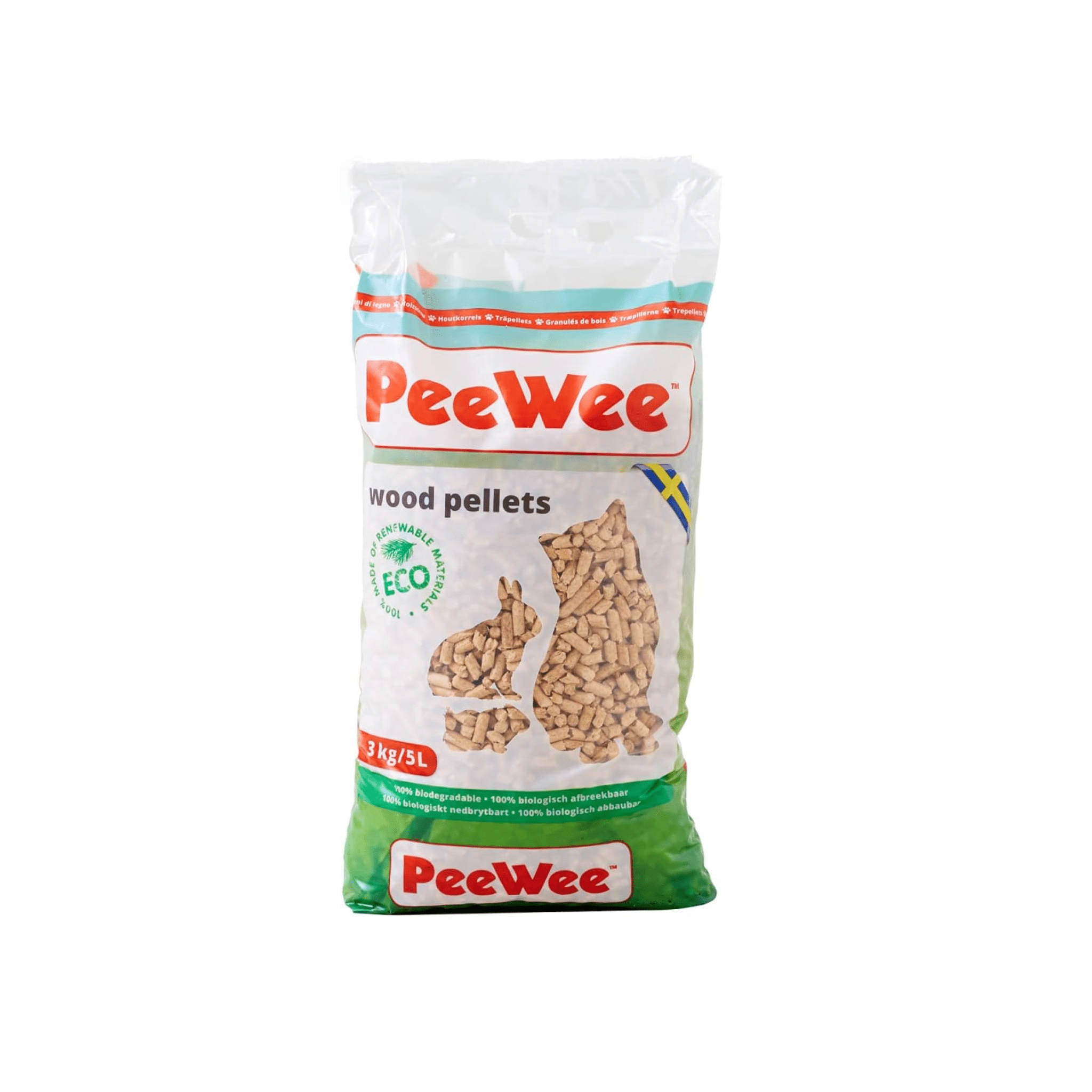
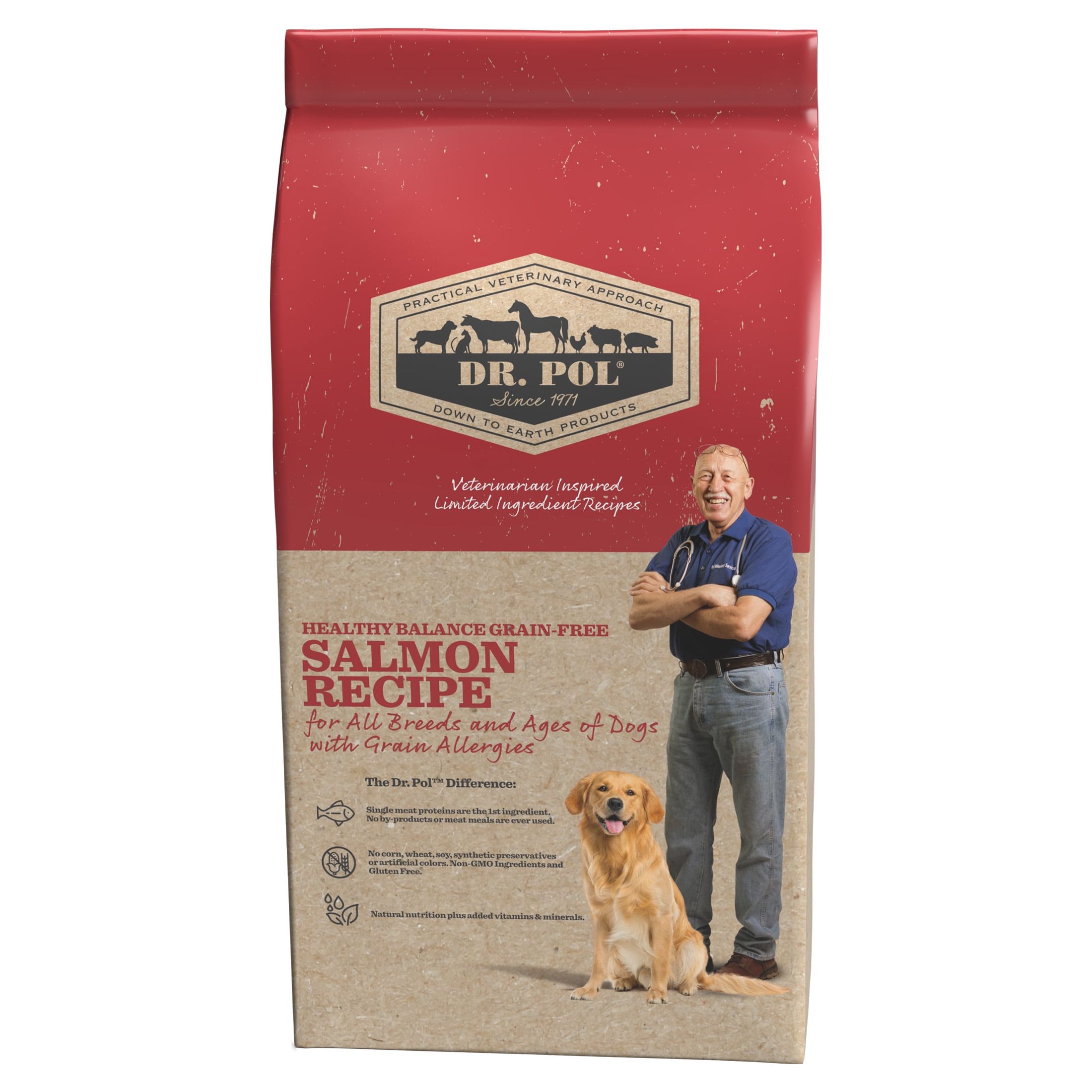
- How does pine pellet litter work?
- The pellets absorb urine and break down into sawdust, and wet spots clump so you can scoop them. Solids are scooped as usual, and the sawdust is stirred or dumped when the box gets dirty.
- Is it dusty?
- Pine pellets are low dust compared with fine clumping clay, though the sawdust that forms as pellets break down can scatter. Pouring gently and using a high-sided box keeps it contained.
- Will my cat accept pellets?
- Some cats take to pellets quickly, but others dislike the coarse texture under their paws. A gradual switch, mixing pellets with the old litter, gives the best chance of acceptance.
- How does it compare with clumping clay?
- It tracks less and has no clay dust or added perfume, but the clumps are softer and the pine smell is stronger. Clay may clump harder and feel softer under paw.
- Is it safe for kittens?
- Pine is a natural fiber, but kittens that taste or eat litter are better off with a litter your vet approves. Ask your vet before using any litter with very young or sick cats.
- How often should I change the box?
- Scoop clumps and solids daily and top up the pellets. Replace the whole box when the sawdust builds up or the pine smell turns sour, which is more often in multi-cat homes.
- Where is the Dr. Pol Pol Pine Pellet Cat Litter 25lb Bag cheapest?
- At Chewy, for $8.44, as of our latest check.
- Where can I buy the Dr. Pol Pol Pine Pellet Cat Litter 25lb Bag?
- 2 stores we checked sell it, including Chewy, Walmart.