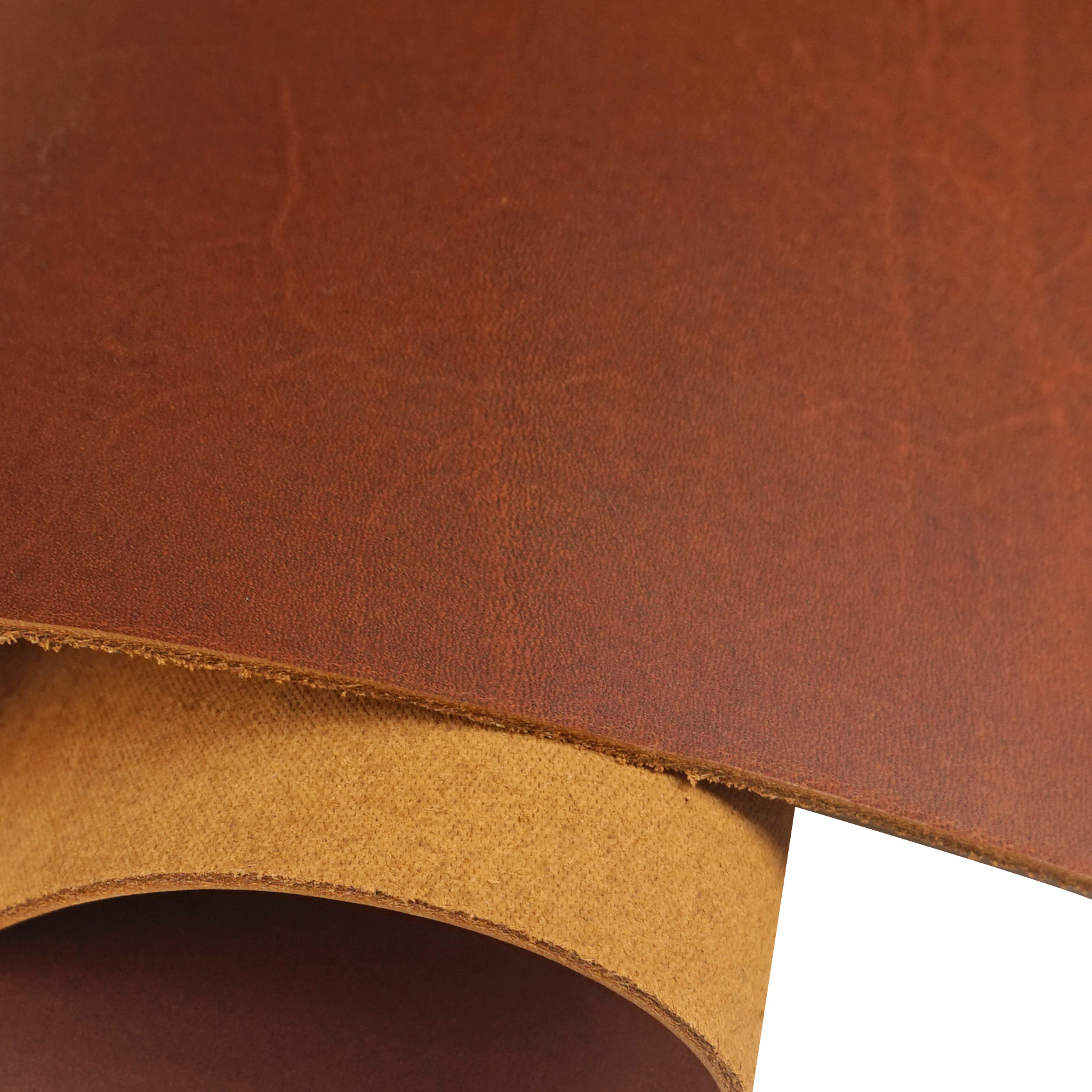
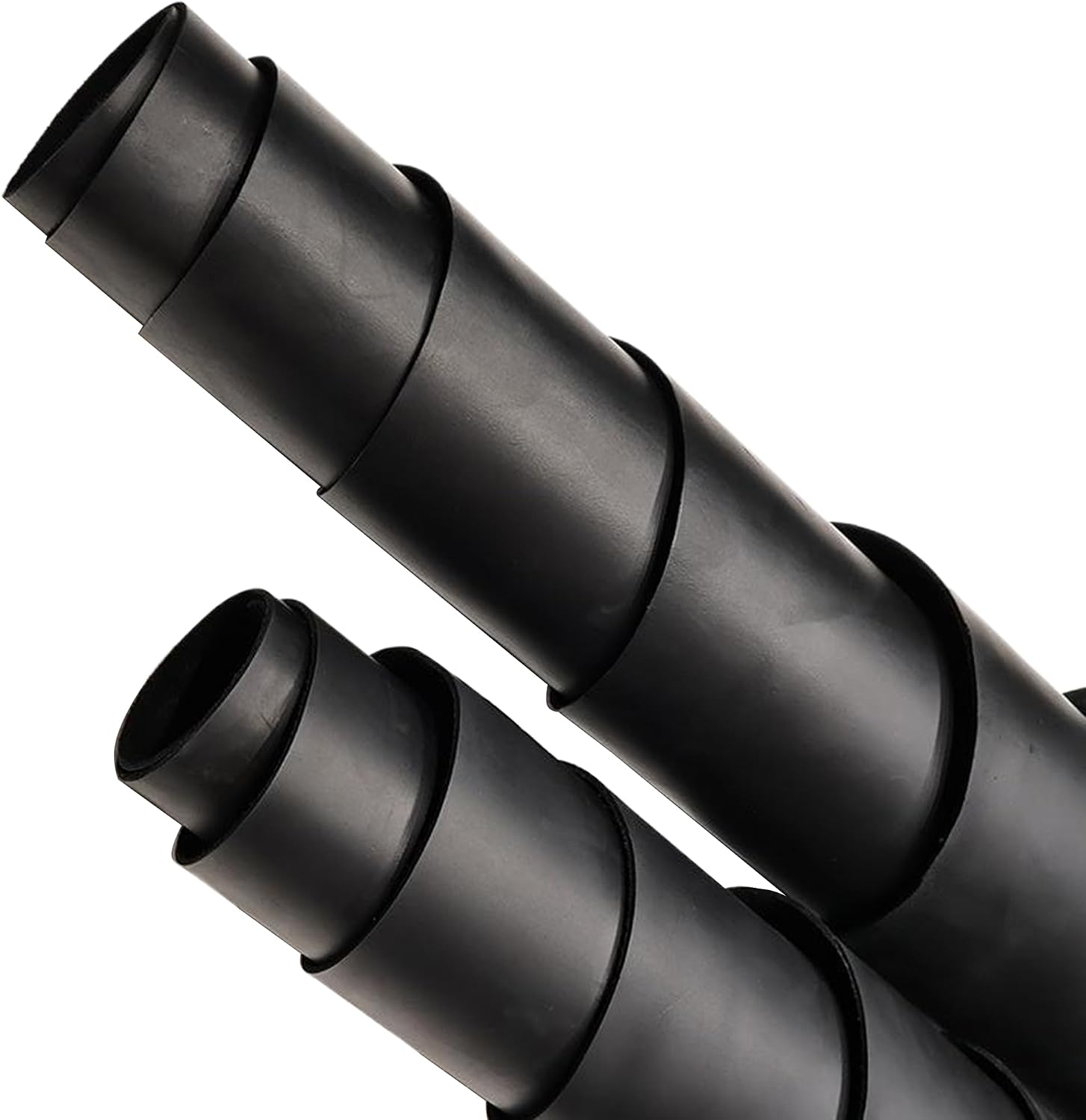
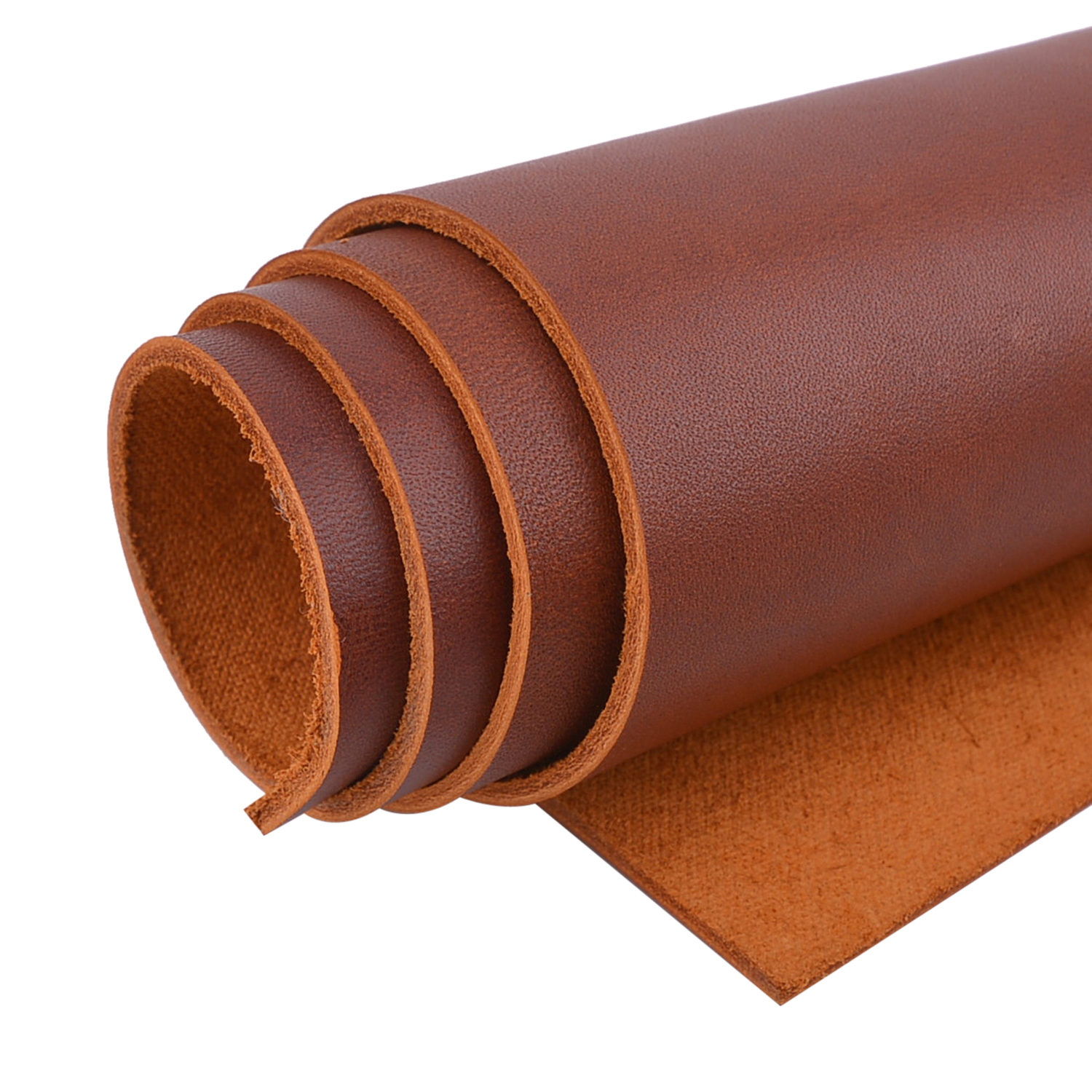
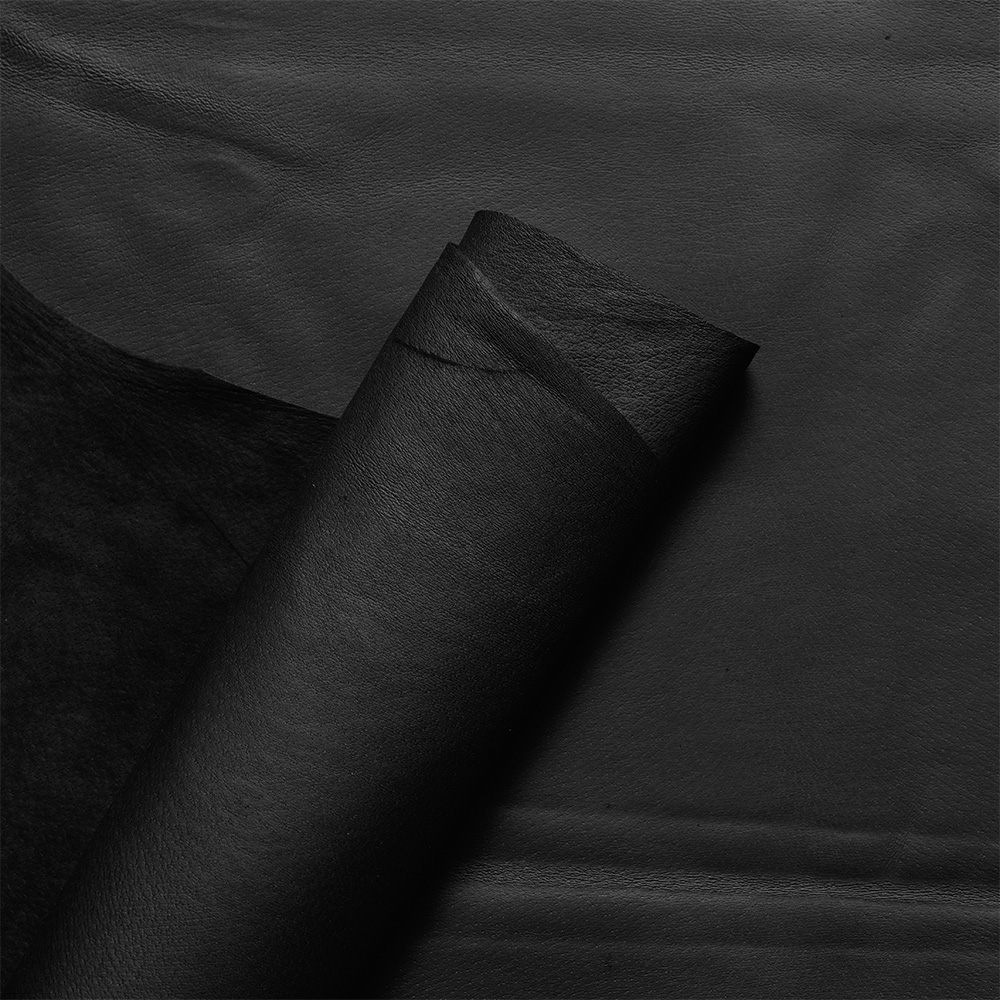
- What is 12–14 oz leather used for?
- Heavy structural pieces: saddle skirts and fenders, holsters, thick belts, straps and tack. It is too thick for wallets, linings or small soft goods.
- Is this leather good for tooling and carving?
- Yes. Vegetable-tanned full-grain leather with a firm temper and smooth surface is the standard choice for carving, stamping and tooling, and it holds impressions well.
- What does full-grain, vegetable-tanned mean?
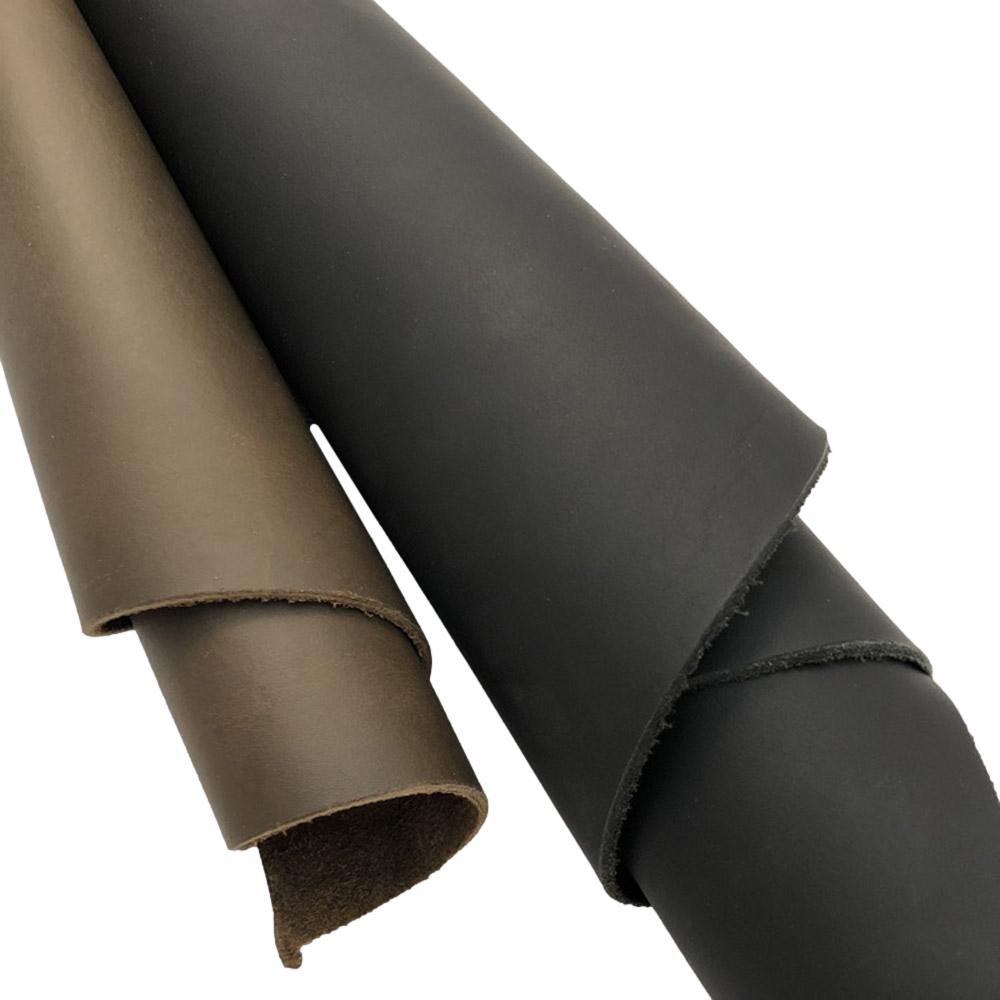
- Full grain means the outer surface is left intact, so it is the strongest part of the hide. Vegetable tanning uses plant tannins, which gives a firm, moldable leather that patinas with use.
- How does it compare with lighter skirting leather?
- At 12–14 oz it is on the heavy end, so it is firmer and holds shape better than lighter skirting, but it is harder to cut, skive and stitch.
- Does it need finishing?
- Natural vegetable-tanned leather is usually left unfinished or lightly treated. Expect to burnish edges, oil or condition it, and seal it if you want to slow darkening.
- Can I use it for belts and holsters?
- Yes. The weight and firmness suit thick belts and holsters, though you may need to skive edges and plan for a stiff break-in.
- Where is the Economy Saddle skirting cheapest?
- At SpringfieldLeather.com, for $99.00, as of our latest check.
- Where can I buy the Economy Saddle skirting?
- 2 stores we checked sell it, including Traditions Leathercraft LLC, SpringfieldLeather.com.