ESP32-S3 Development Board with 1.69" IPS LCD Display (240 x 280)
Best price now
Prices are checked against each store and labelled with when.
Price facts
- Last seen at $21.03 at The Pi Hut on Nov 26.

Prices are checked against each store and labelled with when.
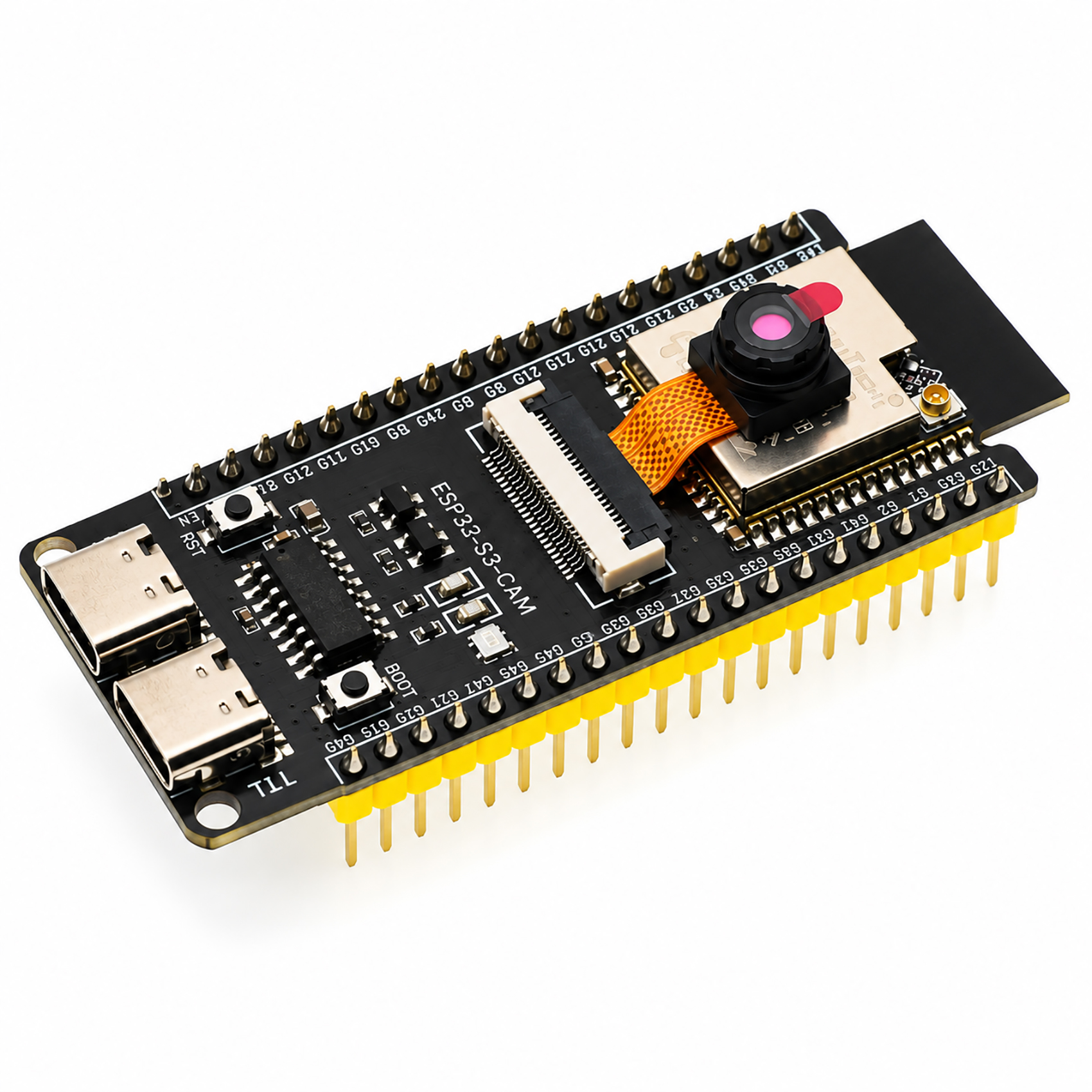
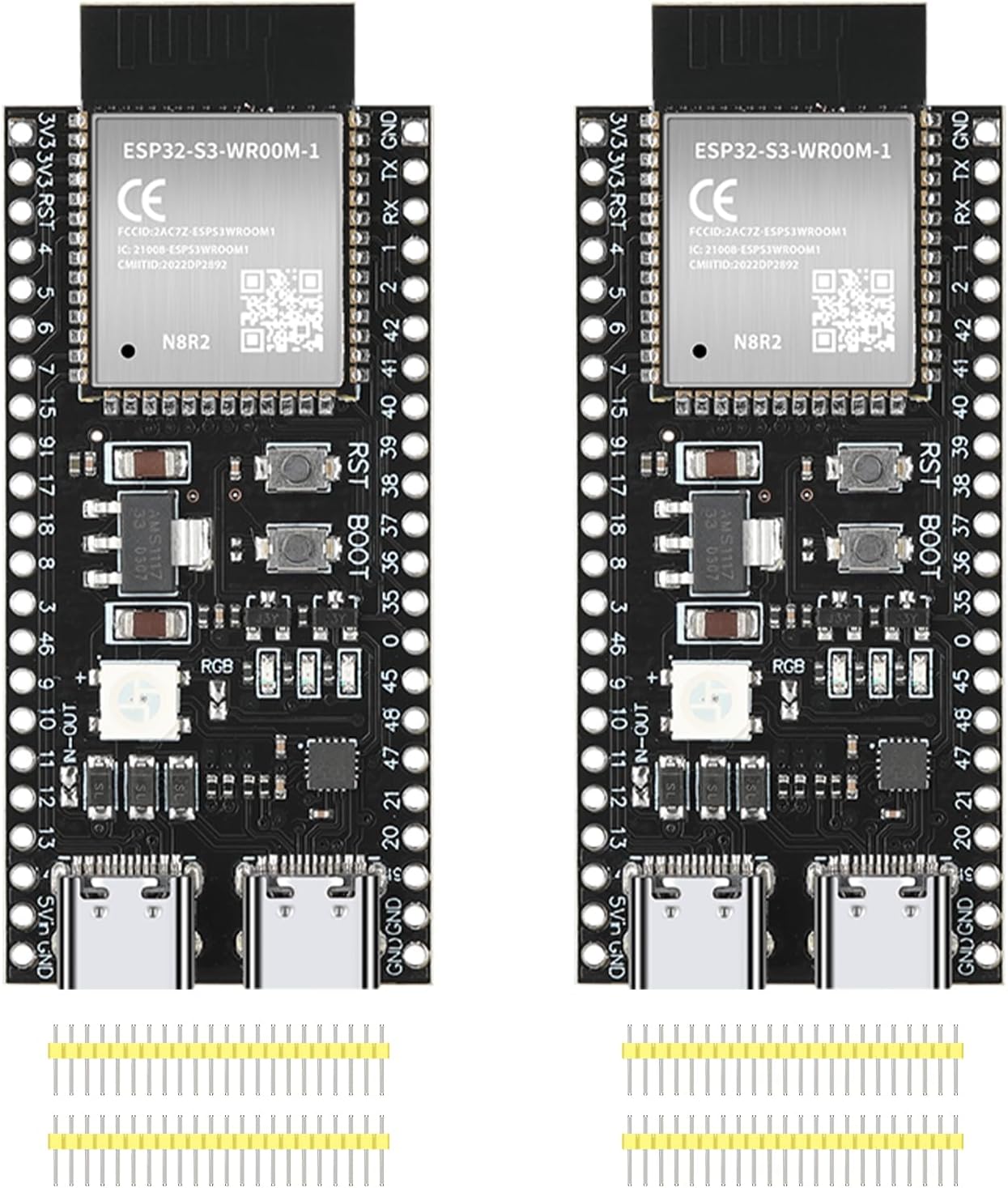
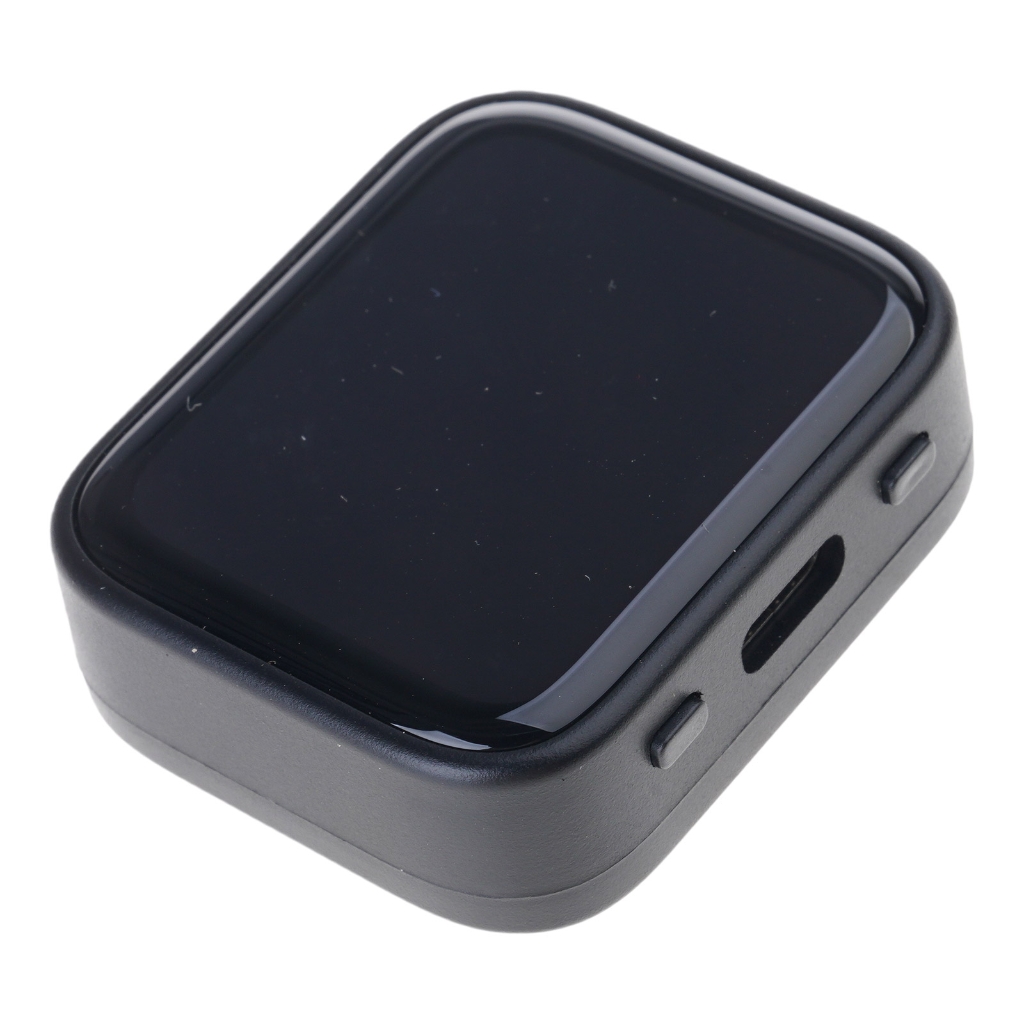
This is a Waveshare-style ESP32-S3 development board with a 1.69-inch 240 x 280 IPS LCD built in, so you get a display, Wi-Fi, Bluetooth 5 LE and a dual-core 240 MHz LX7 without wiring a screen. It adds a QMI8658 6-axis accelerometer/gyroscope, a PCF85063 real-time clock and a lithium battery charge manager, plus 8MB PSRAM and 16MB flash. That makes it a compact all-in-one for wearables, motion and step-counting projects and small dashboards. Rivals like the ESP32-S3-BOX or T-Display boards offer bigger screens or audio, but this one is smaller and lighter on I/O. Its main catch is the tiny MX1.25 LiPo connector, which does not match the common JST plug on most batteries.
In stockShips from the UK · priced in GBP (£16.10) · duties may applyReturn policy
The ESP32-S3 1.69" Display Development Board is a microcontroller board built around the ESP32-S3R8 chip, an Xtensa 32-bit LX7 dual-core processor that runs at up to 240 MHz. A 1.69-inch IPS LCD sits on the board with a resolution of 240 x 280 pixels and 262K colors. It connects over 2.4 GHz Wi-Fi (802.11 b/g/n) and Bluetooth 5 (LE) through an onboard antenna.
Memory on the chip is 512KB of SRAM and 384KB of ROM, with 8MB of PSRAM onboard and an external 16MB flash chip. The display is driven by an ST7789V2 chip over SPI, which saves IO resources. A QMI8658 six-axis IMU pairs a 3-axis accelerometer with a 3-axis gyroscope for detecting motion gestures and counting steps, and a PCF85063 RTC chip keeps time, with a reserved SH1.0 header for a rechargeable RTC battery.
RST, BOOT and a programmable PWM button handle custom functions; the PWM button reads single, double, multiple and long presses and can control battery power. A 12-pin header carries 5 GPIO, I2C and UART lines for peripherals and debugging, and an onboard buzzer provides sound. Programming and log printing go through the USB Type-C connector. Power comes from a 3.7 V lithium battery through a 2-pin MX1.25 header, with charging and discharging handled by the ETA6098 manager; that connector is smaller than the JST fitting used on many LiPo batteries, so the battery needs a matching MX1.25 plug or an adapter cable.
It checks today's price at every store, compares the alternatives and answers in about a minute.