Makita XT296SMR 18V LXT Brushless 2PC Combo Kit (Hammer Drill/Impact Driver 2.0AH + 4.0AH)
Best price now
$299.00at Tool KingdomChecked Nov 10
Prices are checked against each store and labelled with when.

Prices are checked against each store and labelled with when.
It checks today's price at every store, compares the alternatives and answers in about a minute.
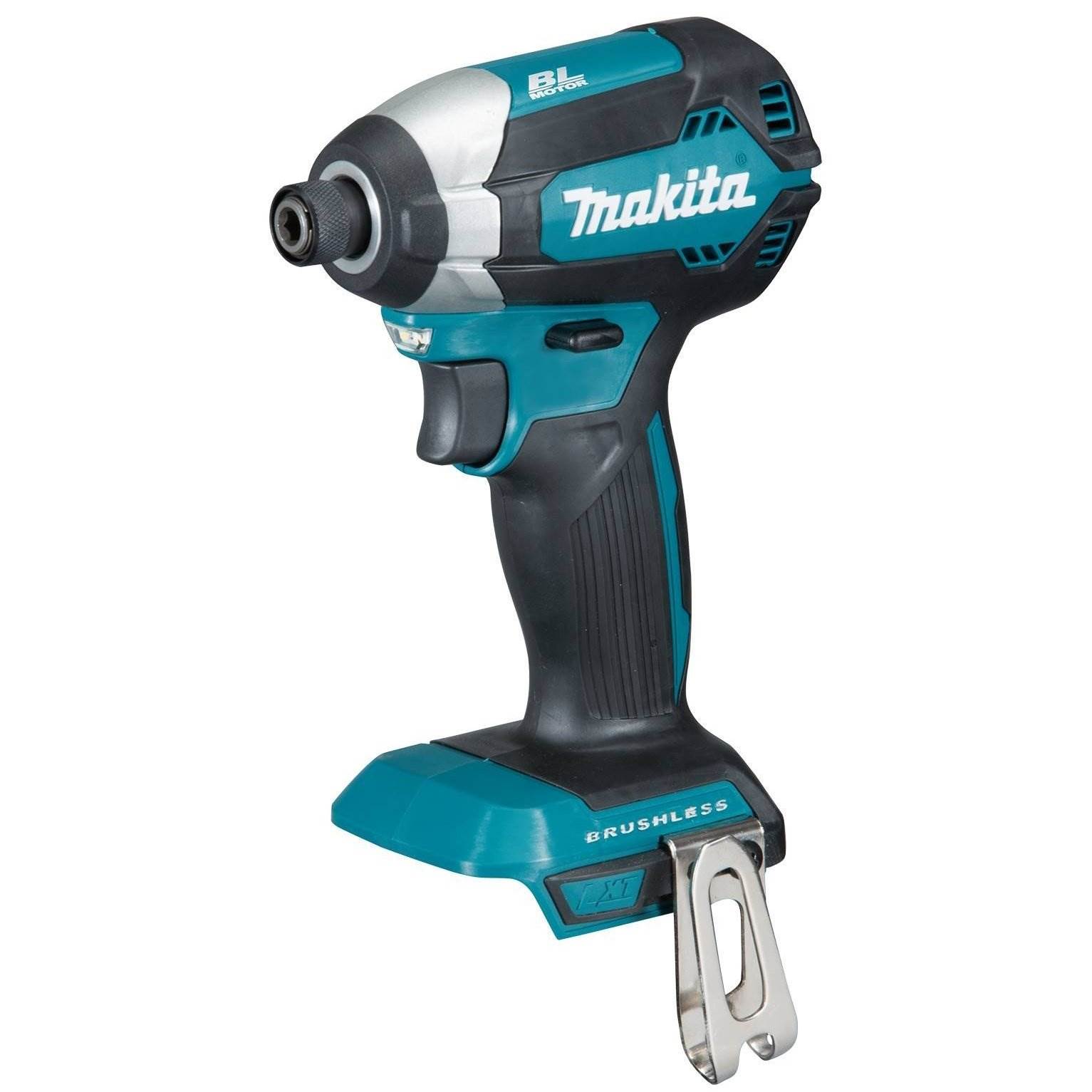
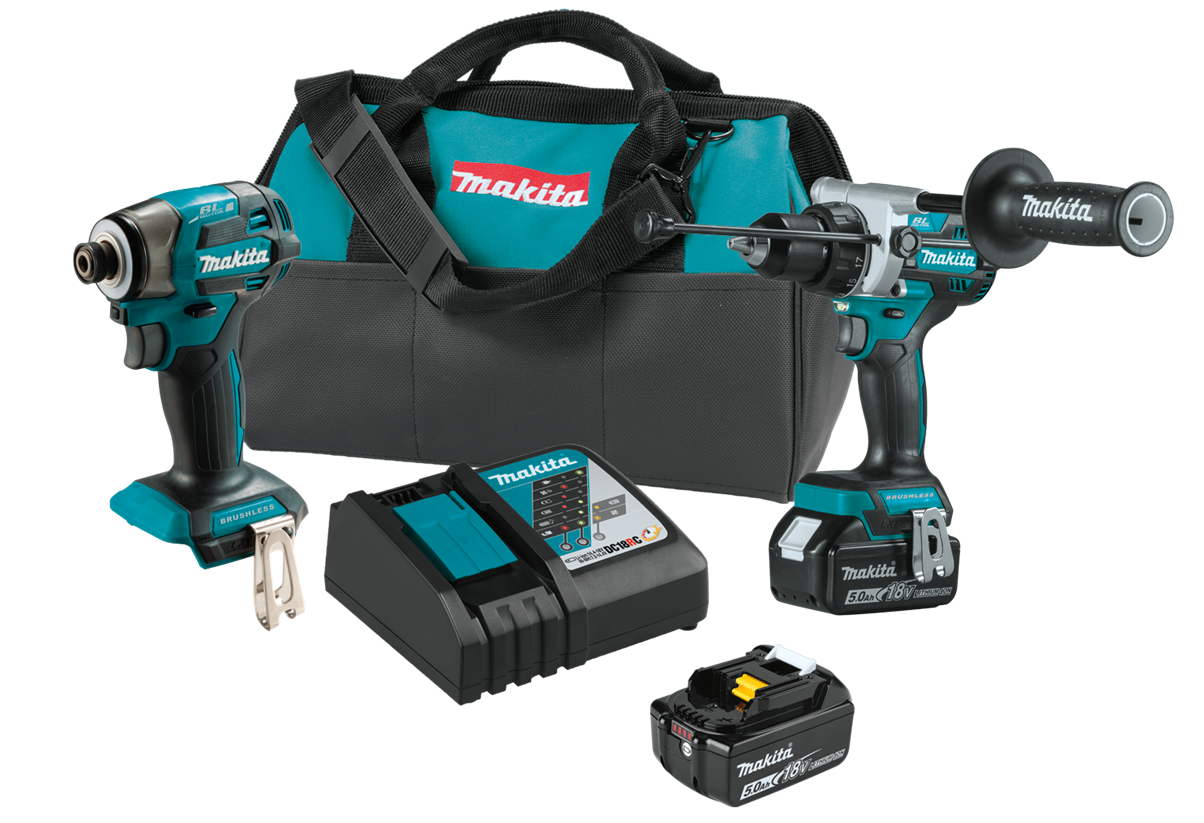
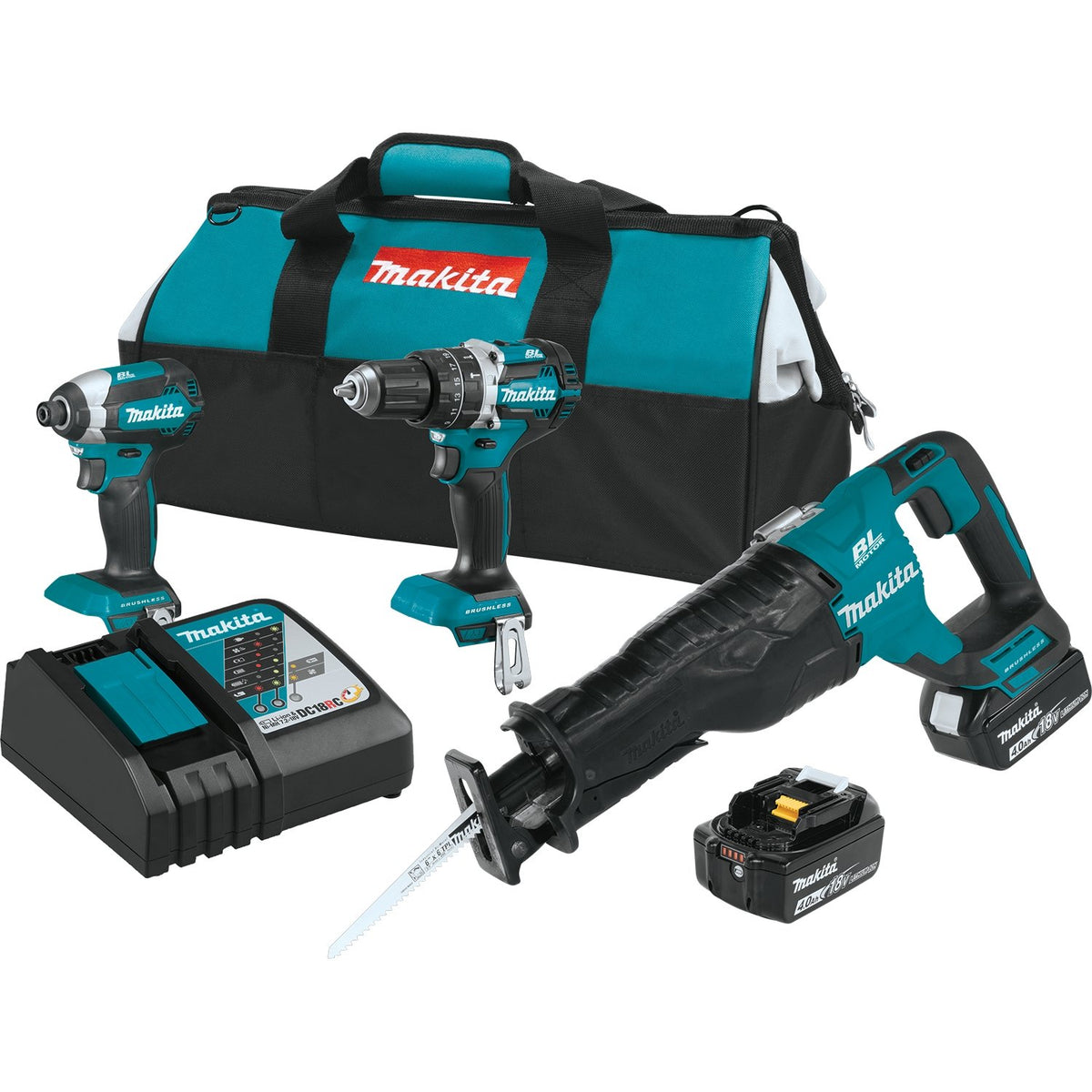
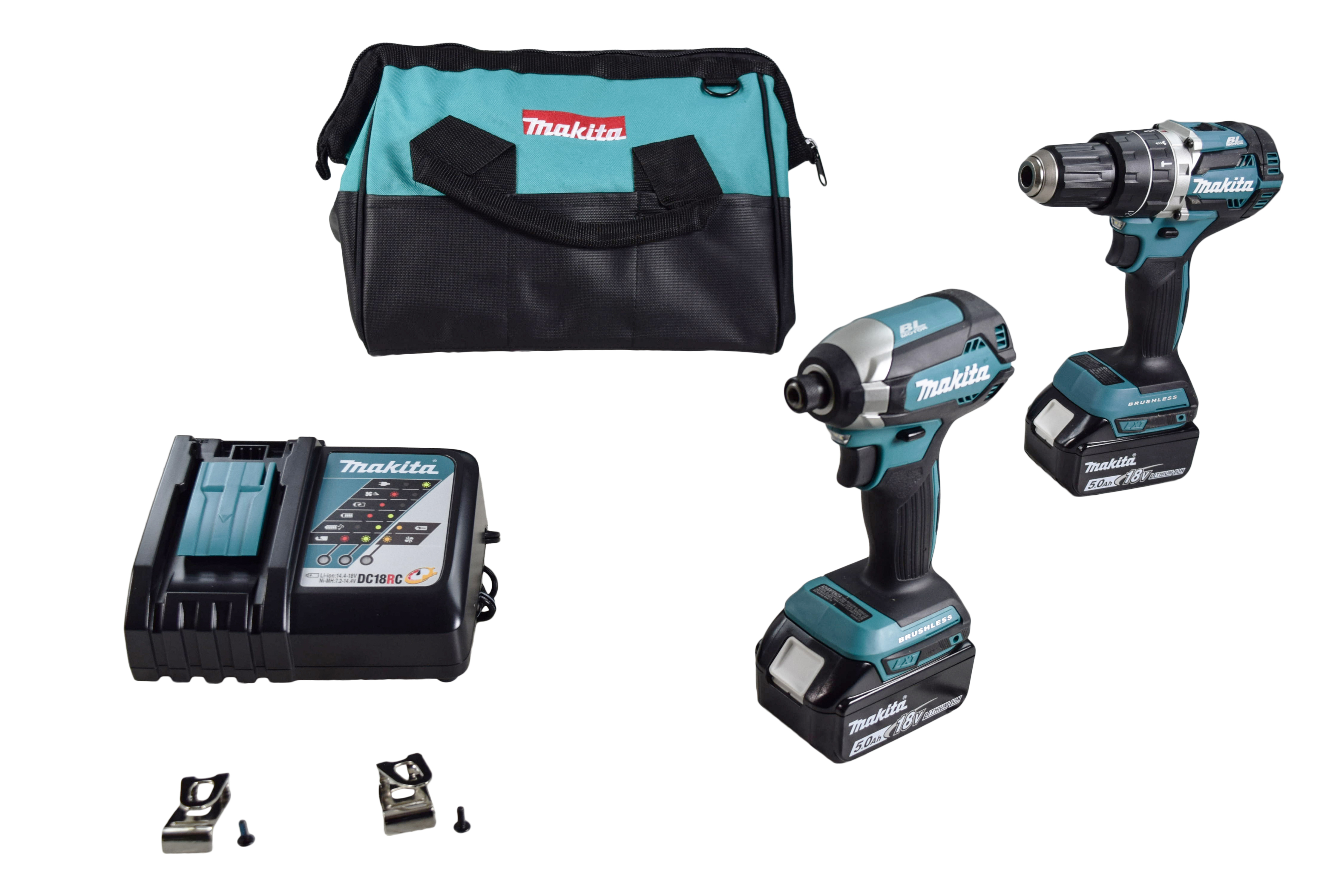
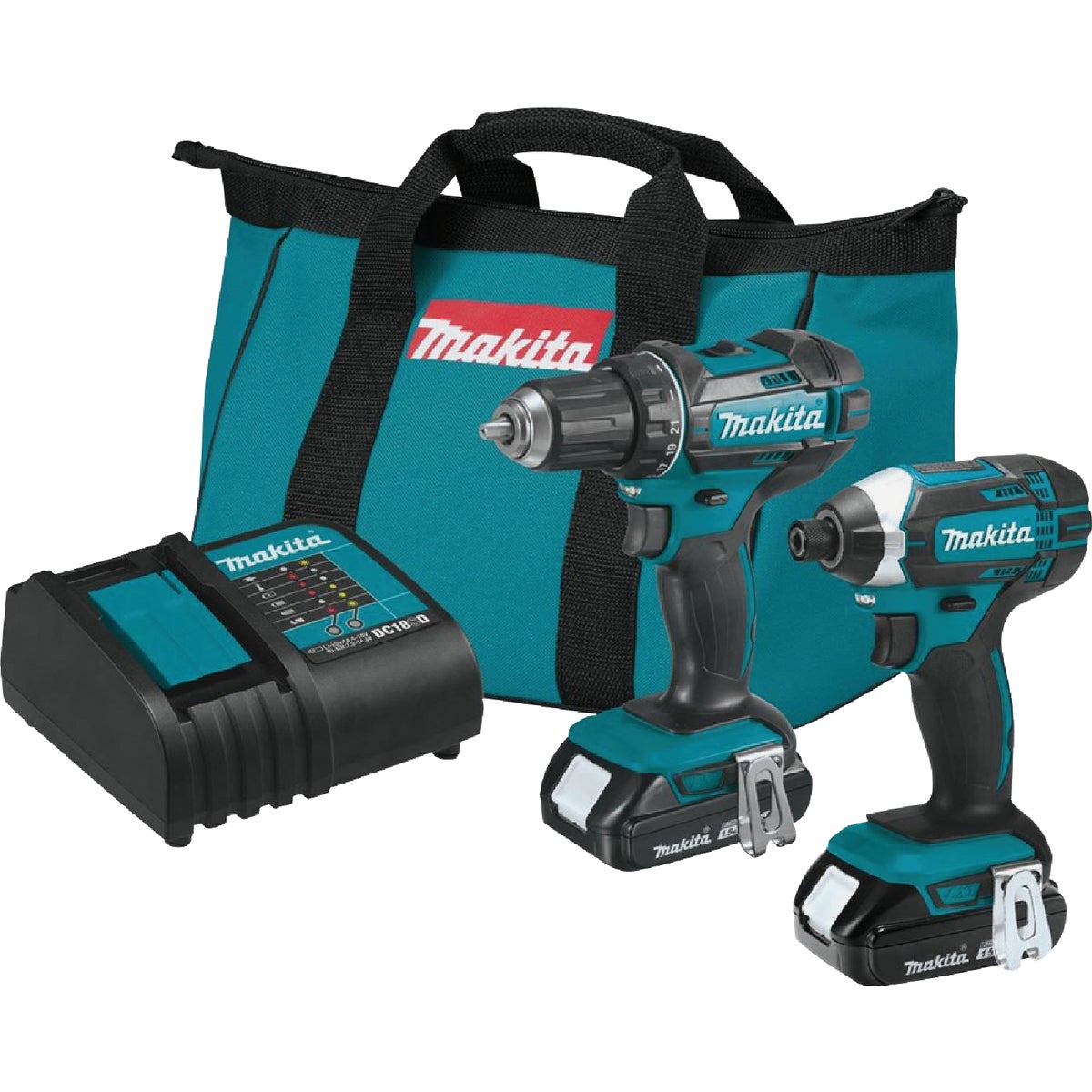
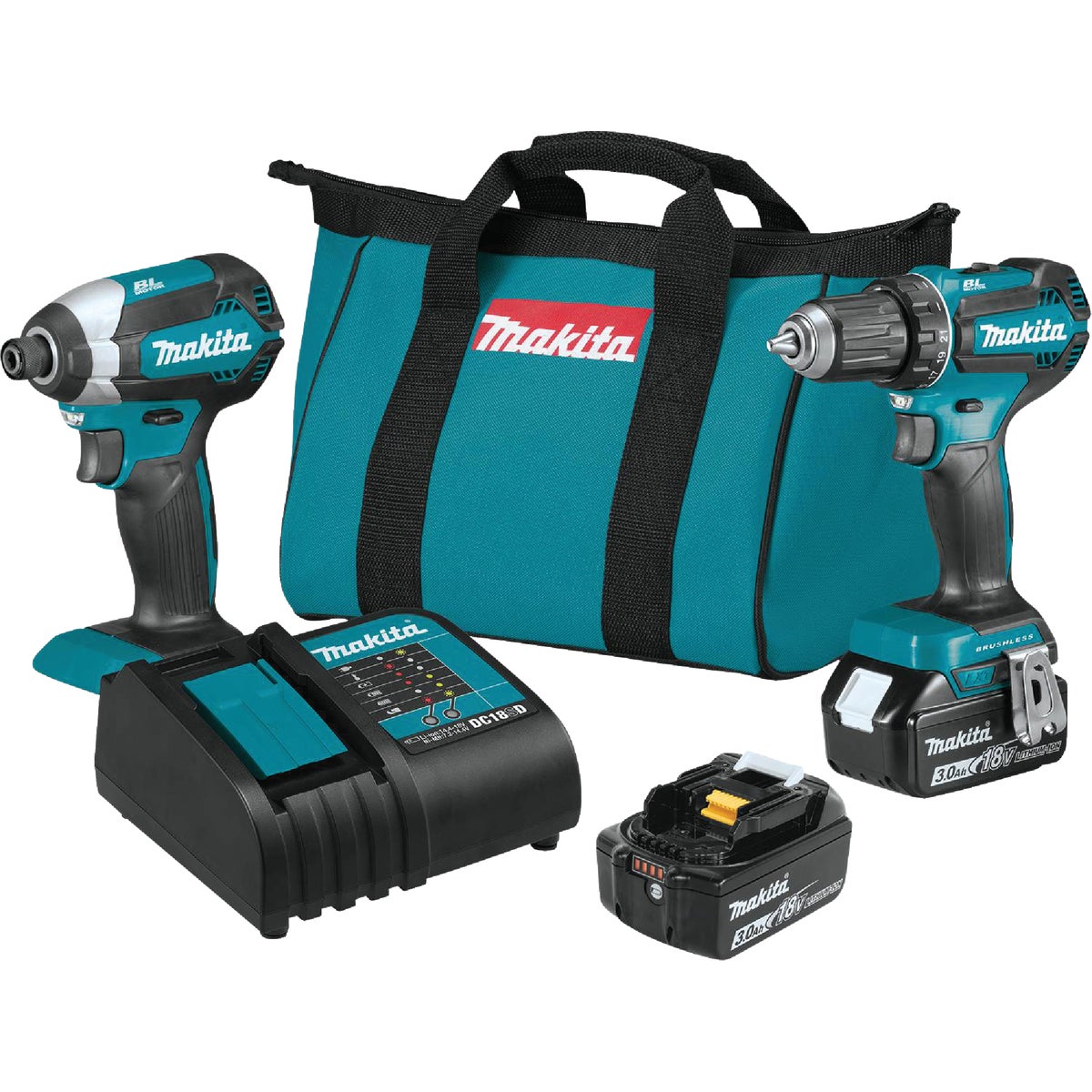
The Makita XT296SMR is a two-tool 18V LXT kit pairing a brushless 1/2-inch hammer driver-drill (XPH16Z) with a brushless three-speed impact driver (XDT14Z). Both tools use Makita-built brushless motors that Makita says stretch run time up to 50% per charge, and both carry XPT dust and water resistance. The kit ships with a 2.0Ah and a 4.0Ah battery plus a charger and tool bag, so one compact pack and one extended pack cover light and heavy jobs. It suits homeowners and trade users already on the LXT platform who want one drill for masonry and wood and one driver for fasteners, rather than a single do-everything tool.
In stockReturn policy
Owners of Makita's LXT brushless drill and driver pair generally rate the tools highly for torque, smooth triggers and battery life, and the XPT sealing holds up on dusty job sites. Common complaints center on the smaller 2.0Ah pack running down fast in hammer mode and on the impact driver's mode selector needing a learning curve.
The Makita XT296SMR is an 18V LXT lithium-ion brushless cordless combo kit with two tools: a 1/2" hammer driver-drill (XPH16Z) and a 4-speed impact driver (XDT14Z). The kit is for drilling, driving and fastening. The hammer driver-drill works in wood, metal and masonry.
The hammer driver-drill has two variable speed ranges, up to 1,800 RPM, and 970 in.lbs. of max torque. It weighs 4.9 lbs. with a battery. The impact driver has a 3-speed power selection switch and 1,550 in.lbs. of max torque. It weighs 2.7 lbs. with a 2.0Ah battery.
The impact driver has Quick-Shift Mode, which uses the brushless motor's electronic controls to balance speed and torque for each application. Its Tightening Mode (T-mode) downshifts and reduces rotation and impact speed before the screw is driven into place. This is meant to minimize screw thread stripping, screw breakage and damage to work.