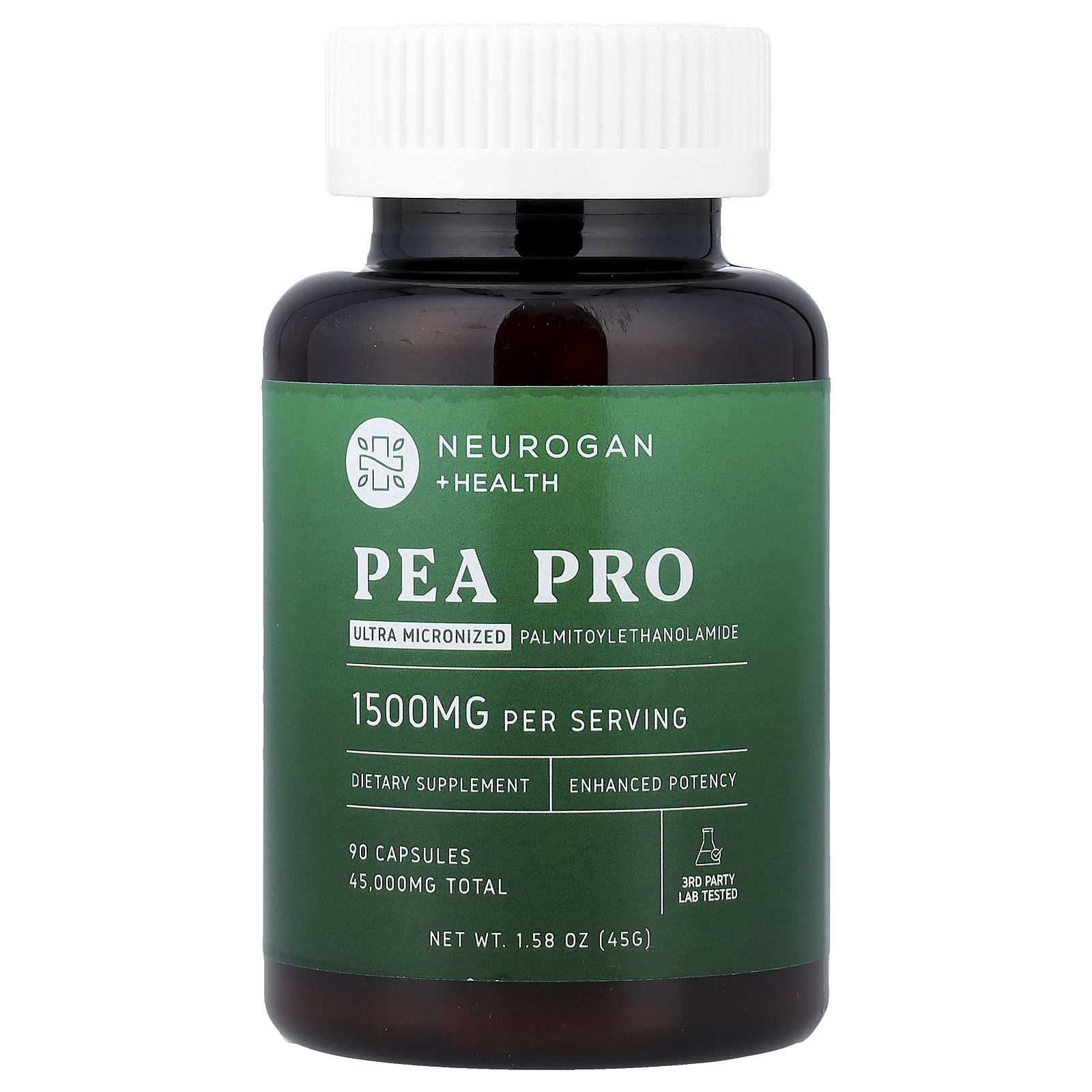
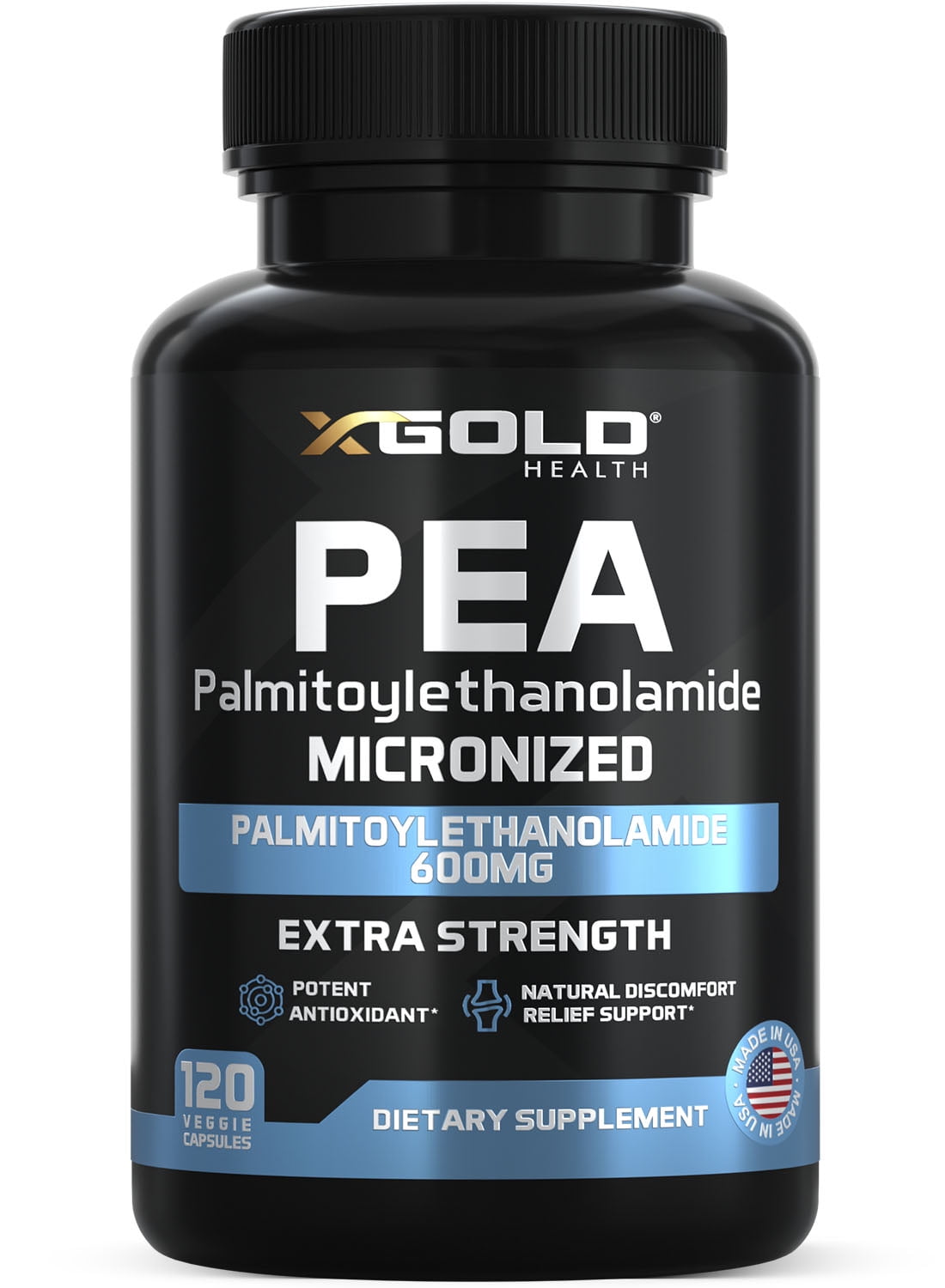
- How much PEA should I take daily?
- Labels suggest one capsule up to three or four times daily with food, or as a healthcare professional directs. Follow the directions on the bottle you receive, since strengths vary between products.
- Is PEA a painkiller?
- No. PEA is a fatty acid amide sold as a supplement for occasional minor discomfort, not a drug. It is not a substitute for medical treatment of persistent pain.
- Can vegans take these capsules?
- Yes. The capsules are vegetable-based and marketed as suitable for vegetarians and vegans, and they are free of soy, gluten, milk, egg, peanut and shellfish.
- How does the cream compare with the capsules?
- The 5% topical cream is applied to the skin for localized discomfort, while capsules work throughout the body. Some people use both, but ask a healthcare professional before combining them.
- How long before I notice anything?
- Users who report benefits usually describe weeks of daily use, not immediate relief. Give it a fair trial and stop if you see no change or have side effects.
- Who should avoid PEA?
- It is for adults. Pregnant or breastfeeding women, children, and anyone on medication or with a medical condition should consult a healthcare professional first.
- Where is the Palmitoylethanolamide (PEA) Capsules or Cream cheapest?
- At Vitacost.com, for $13.26, 36% under what the other stores charge, as of our latest check.
- What do buyers say about the Palmitoylethanolamide (PEA) Capsules or Cream?
- Rated 5 out of 5 from 8 ratings.
- Where can I buy the Palmitoylethanolamide (PEA) Capsules or Cream?
- 5 stores we checked sell it, including iHerb, Vitacost.com, Brands For Less USA, Amazon, Novoceuticals.