StoreDeal.ai store
Shop
  • Deals
  • Deal checker
  • Black Friday
  • Buying guides
  • Brands
  • Stores
Travel
  • Flight deals
  • Hotel deals
Company
  • Research
  • Press
  • Use in AI assistants
  • Contact
  • deal.ai apps
Black Friday 2026
  • Walmart
  • Best Buy
  • Target
  • TVs
  • Laptops
  • Headphones
  • Apple
  • Gaming
  • Vacuums
  • Kitchen
  • Toys
  • Smartwatches
  • Tablets
  • Furniture
  • Mattresses
© Deal.ai Inc.·2222 Ponce de Leon Blvd, Miami, FL 33134·support@deal.ai
TermsPrivacy
Deal.ai
PGN
PGN Clay Pebbles for Hydroponic Growing

PGN Clay Pebbles for Hydroponic Growing

Best price now

$11.69at PGNChecked Nov 26

Prices are checked against each store and labelled with when.

Visit PGN

Price facts

  • Last seen at $11.69 at PGN on Nov 26.

Our take on the PGN Clay Pebbles for Hydroponic Growing

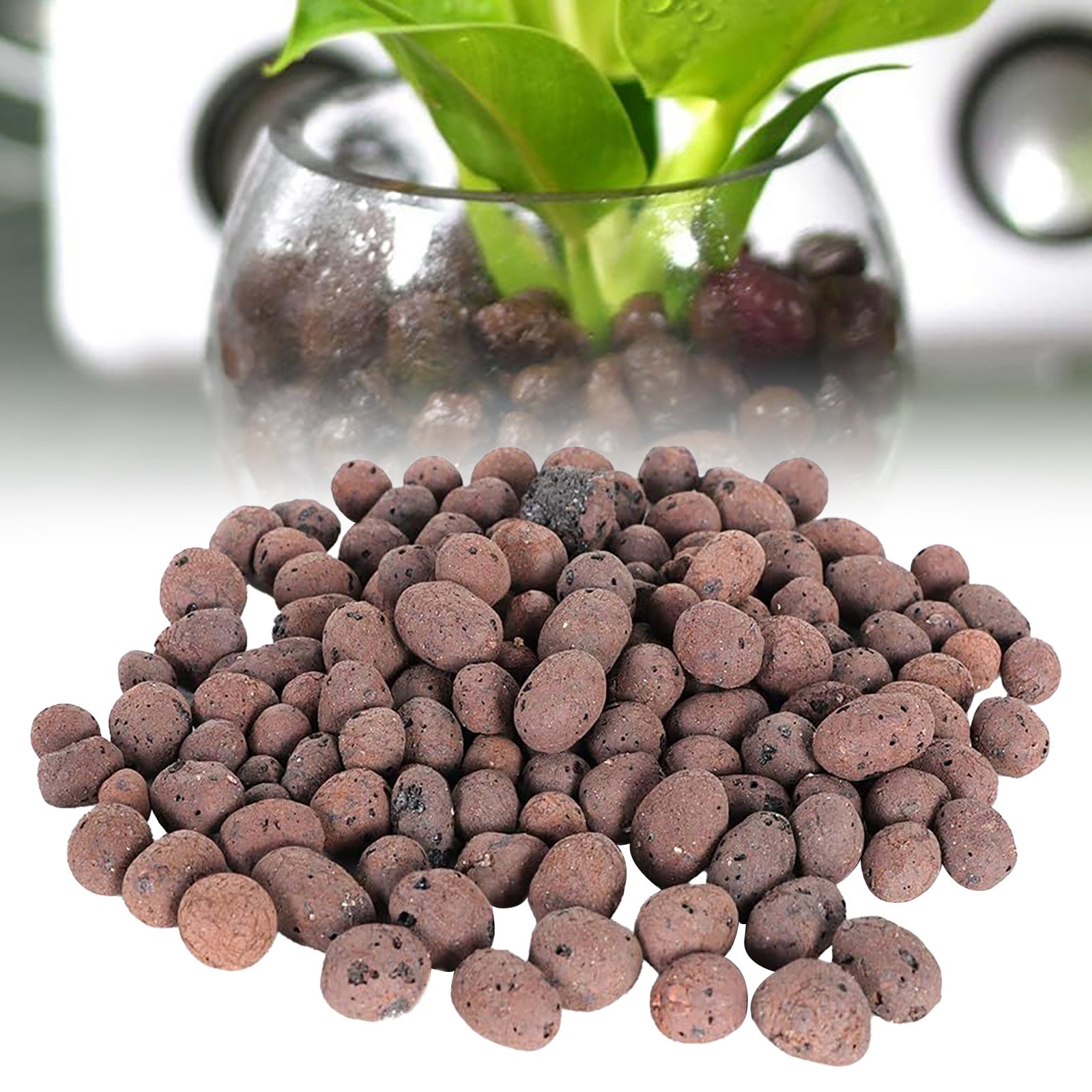
PGN clay pebbles are expanded clay (LECA) balls for hydroponic and semi-hydroponic growing. The 5-liter bag holds about 2 lb of lightweight, porous pebbles that hold moisture and air around roots. They suit passive hydro setups, wick systems and potting mixes that need drainage. Against loose perlite or rockwool, they are reusable and don't break down, but they wick less evenly and offer no nutrient buffering.

Best forPassive hydroponic and wick systemsSemi-hydroponic potted plantsReusable growing mediaDrainage layers in soil mixes
Pros
  • Lightweight expanded clay, easy to handle
  • Porous pebbles hold air and moisture around roots
  • Reusable after rinsing
  • Does not compact or break down like soil
  • Works in passive hydro and as a drainage layer
Cons
  • 5 liters fills only a few small pots
  • Pebbles can float or shift when flooded
  • Little nutrient or pH buffering on their own
  • Dust and clay fragments need rinsing before use

PGN Clay Pebbles for Hydroponic Growing prices at every store

  • PGNNew

    In stockReturn policy

    $11.69Checked Nov 26
    Visit PGN

About the PGN Clay Pebbles for Hydroponic Growing

PGN Clay Pebbles are a growing medium made from organic expanded clay (LECA). The pebbles are lightweight and porous, with a neutral pH profile. They are used in hydroponic and aquaponic systems, for orchids and succulents, and as a decorative top layer for potted plants.

The porous clay structure creates air spaces around plant roots and helps with drainage and moisture management. The pebbles can be cleaned and reused when properly maintained; rinse and clean them according to the requirements of the growing system before reuse.

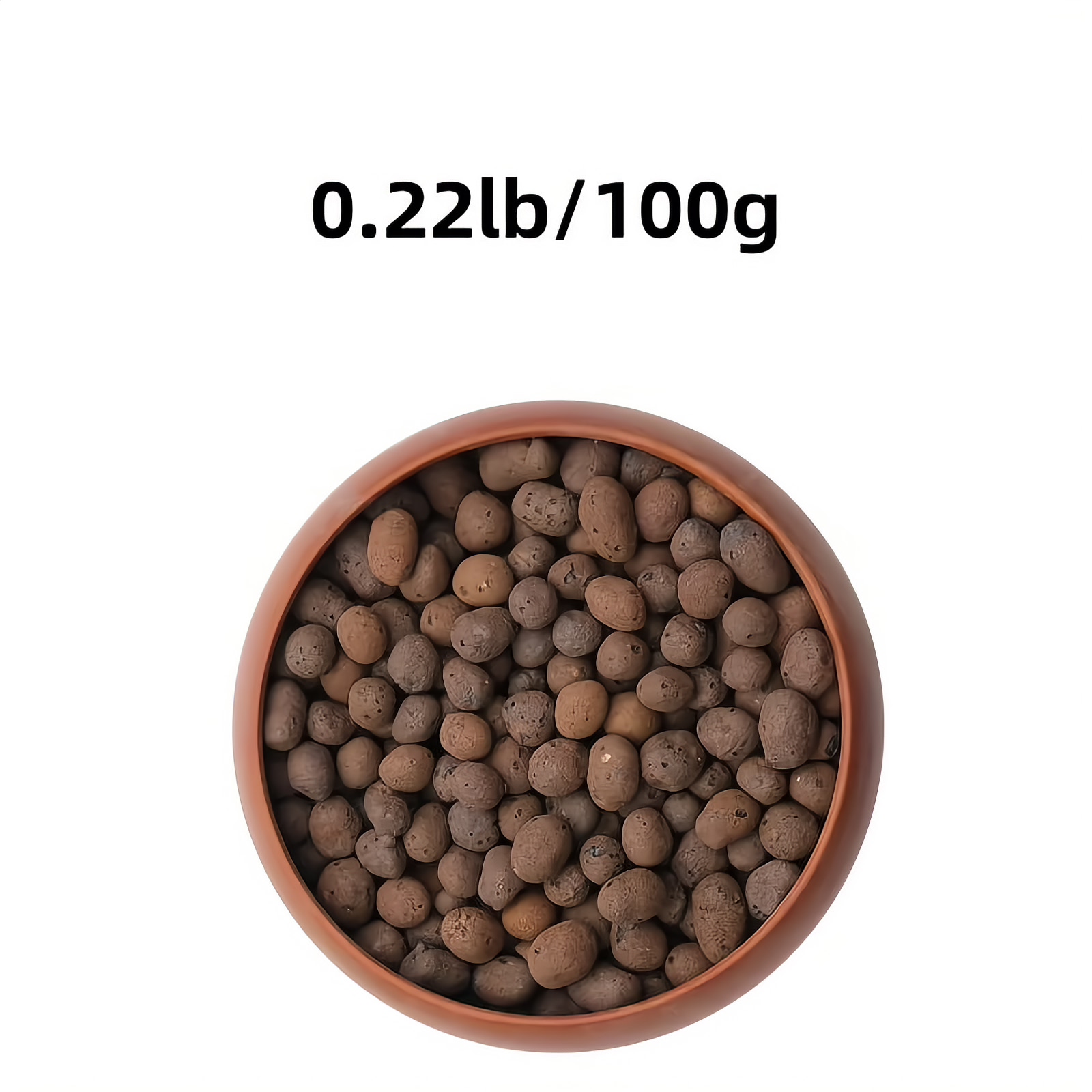
The package contains 5 liters, approximately 2 lb. The lightweight pebbles can be handled and arranged in indoor gardens, containers, and larger plant displays.

Volume
5 liters (approx. 2 lb)
Material
Organic expanded clay (LECA)
Applications
Hydroponic systems, aquaponic setups, indoor gardening, orchid growing, succulent arrangements, pot drainage, decorative top layer
pH
Neutral
Structure
Porous and lightweight
Aeration
Creates air spaces around roots
Drainage
Creates space between particles
Moisture
Helps maintain balanced moisture
Reuse
Clean and rinse before reuse
Appearance
Natural

Ask our agent about this product

It checks today's price at every store, compares the alternatives and answers in about a minute.

Enter to send, Shift+Enter for a new line

Questions and answers

What are PGN clay pebbles made of?
They are organic expanded clay (LECA), fired into lightweight porous balls. They hold water in their pores and leave air gaps between pebbles.
How much does the bag fill?
The bag holds 5 liters, about 2 lb of pebbles. That covers a few small pots or a drainage layer in larger containers, not a full large grow bed.
Can I reuse them?
Yes. Rinse off old roots and debris, then soak and reuse. They do not break down like soil or rockwool.
Do I need to rinse them first?
Rinse before the first use to clear dust and loose clay fragments. Soaking them briefly also helps them settle.
Are they a full hydroponic medium on their own?
They work alone in passive and wick systems, but they offer no nutrients. Pair them with a nutrient solution, or mix them with coco or soil for drainage.
How do they compare with perlite?
Clay pebbles are heavier, reusable and don't crush to dust. Perlite is lighter and cheaper but breaks down and floats more readily.
Where is the PGN Clay Pebbles for Hydroponic Growing cheapest?
At PGN, for $11.69, as of our latest check.

More clay pebbles

  • M
    Malifea 2LBS Leca Expanded Clay Pebbles Hydroponics Supplies for Indoor Garden Plants (2LBS)
    Malifea 2LBS Leca Expanded Clay Pebbles Hydroponics Supplies for Indoor Garden Plants (2LBS)
  • G
    Growit Clay Pebbles
    Growit Clay Pebbles
  • E
    Elixcos Expanded Clay Pebbles 100g
    Elixcos Expanded Clay Pebbles 100g
  • E
    Expanded Clay Pebbles Grow Media, 10 Liter
    Expanded Clay Pebbles Grow Media, 10 Liter
  • G
    Grow!t medium clay pebbles
    Grow!t medium clay pebbles
  • G
    Gold Label HydroCorn Clay Pebbles
    Gold Label HydroCorn Clay Pebbles
  • U
    Ultrafish Lightweight Clay Pebbles 5-10mm 100g
    Ultrafish Lightweight Clay Pebbles 5-10mm 100g
  • G
    GEOLITE Clay Pebbles
    GEOLITE Clay Pebbles