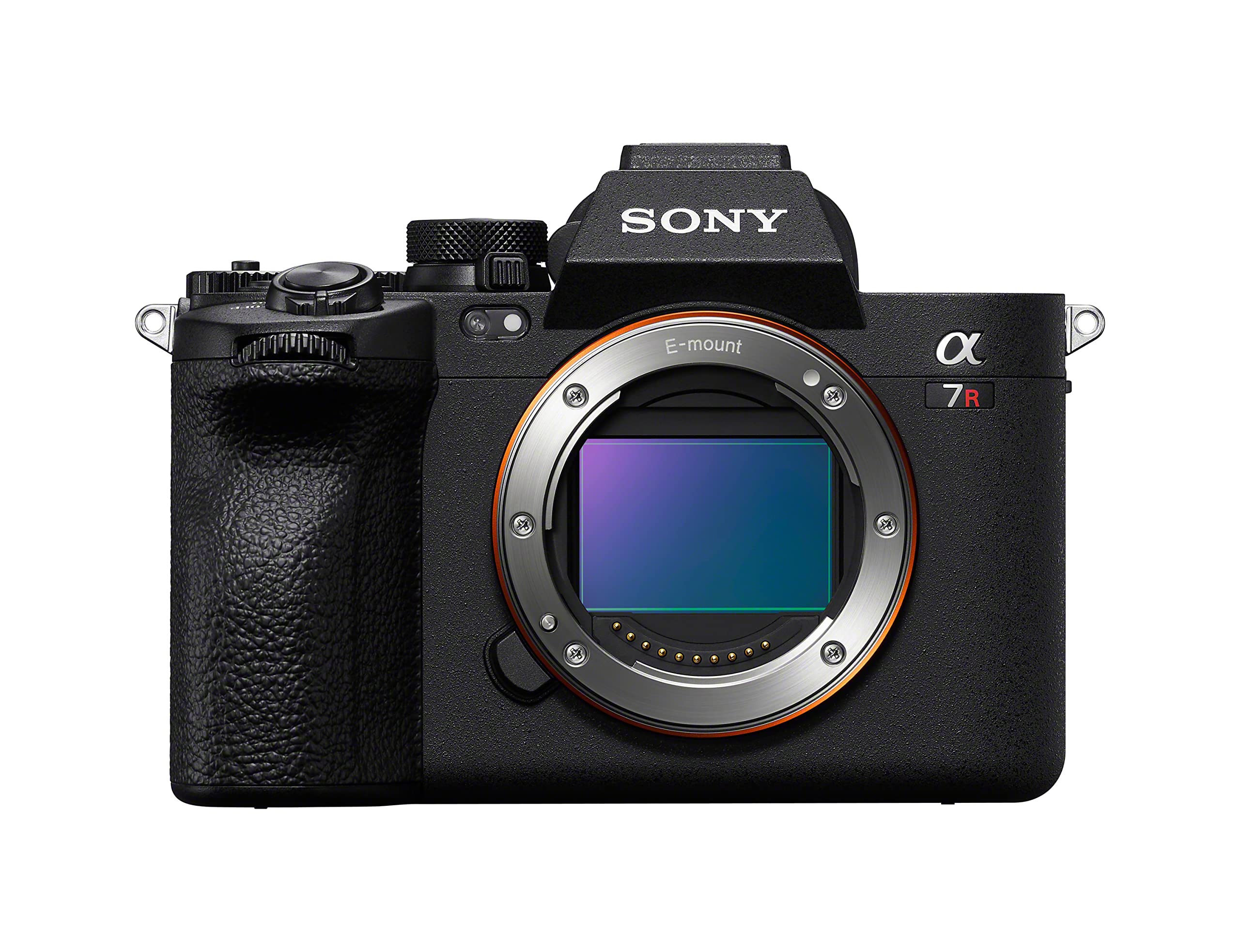
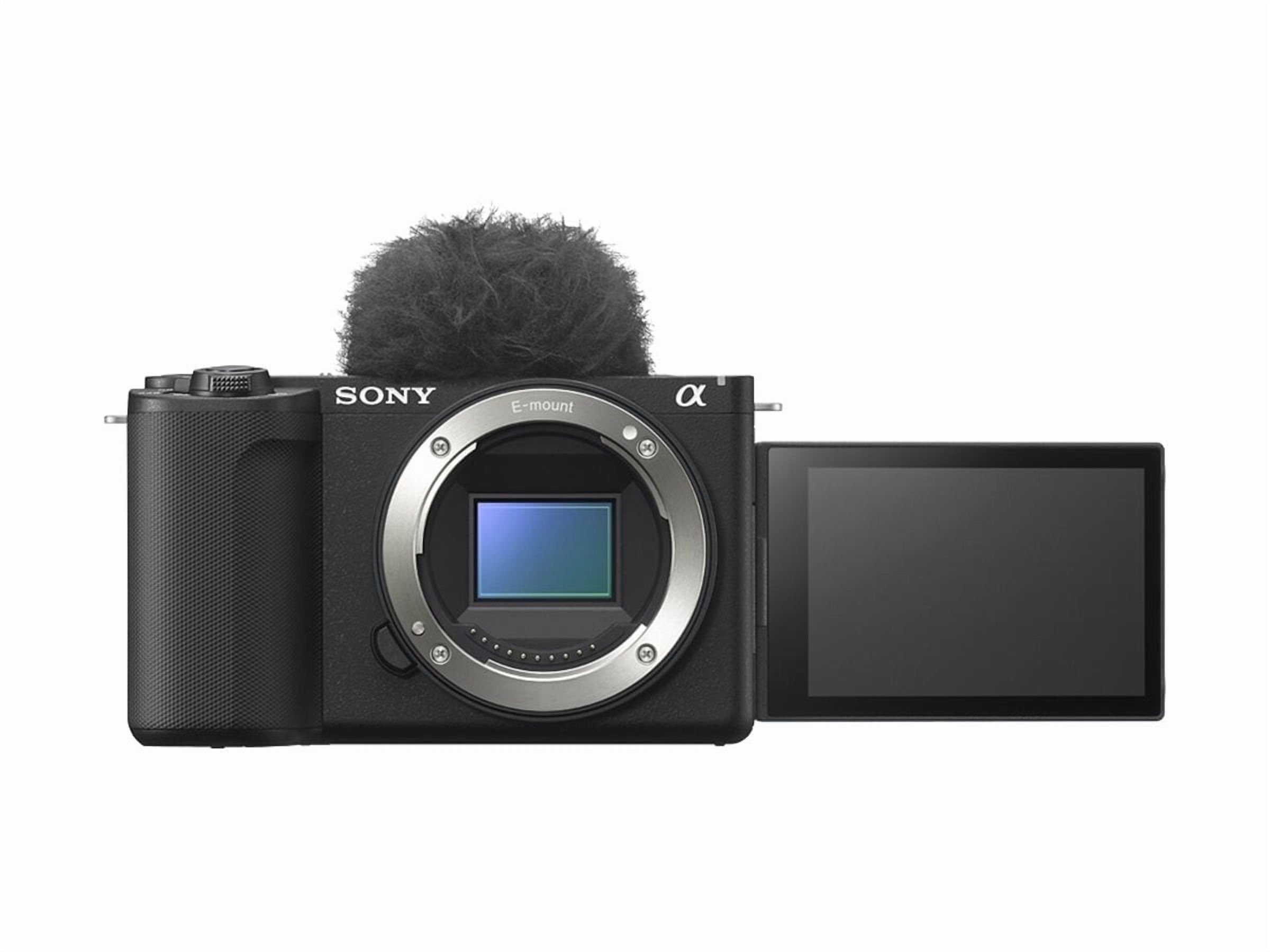
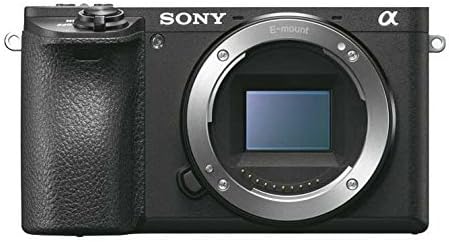
Sony Alpha 7 IV Full-Frame Mirrorless Interchangeable Lens Camera with 28 To 70mm Lens Bundle
Best price now
$2,198.00at Focus CameraChecked 1 h ago
Prices are checked against each store and labelled with when.

Prices are checked against each store and labelled with when.
It checks today's price at every store, compares the alternatives and answers in about a minute.
The Alpha 7 IV is Sony's mid-range full-frame mirrorless body, built around a 33MP back-illuminated Exmor R sensor and the BIONZ XR processor from the Alpha 1 and 7S III. It shoots 10-bit 4:2:2 4K up to 60p, has AI-trained subject recognition for people, animals and birds, and a 3.69M-dot EVF. The bundled FE 28-70mm F3.5-5.6 OSS is a light, stabilised kit zoom that covers wide to short telephoto. It suits hybrid shooters who want strong stills and video from one body; compared with the Alpha 7 III it adds resolution, a much better EVF and faster autofocus, while the 28-70mm kit lens is the weakest link next to the body.
In stockReturn policy
Owners and reviewers rate the Alpha 7 IV highly as an all-round hybrid body, praising autofocus reliability, image quality and the improved viewfinder. The common complaint is that the 28-70mm kit lens does not match the sensor's quality.
The Sony Alpha 7 IV is a full-frame mirrorless interchangeable-lens camera. It pairs a 33-megapixel Exmor R back-illuminated CMOS sensor with the BIONZ XR image processor. The camera comes with an FE 28-70mm F3.5-5.6 OSS lens (SEL2870), so it is ready to shoot out of the box.
The back-illuminated sensor uses copper wiring for higher transmission speeds and faster analog-to-digital conversion, and its fast readout allows 10-bit 4:2:2 4K recording at up to 60p. It offers 15+ stops of dynamic range, improved color reproducibility and low noise across its sensitivity range.
The BIONZ XR engine, also used in the Alpha 1 and Alpha 7S III, provides up to 8x faster processing. It handles autofocus, image recognition and image quality adjustment in real time to reduce latency, while user interface, network and file management processing are distributed so response stays fast. ISO runs from 100 to 51200, expandable to 50 to 204800 for stills and 100 to 102400 for movies.