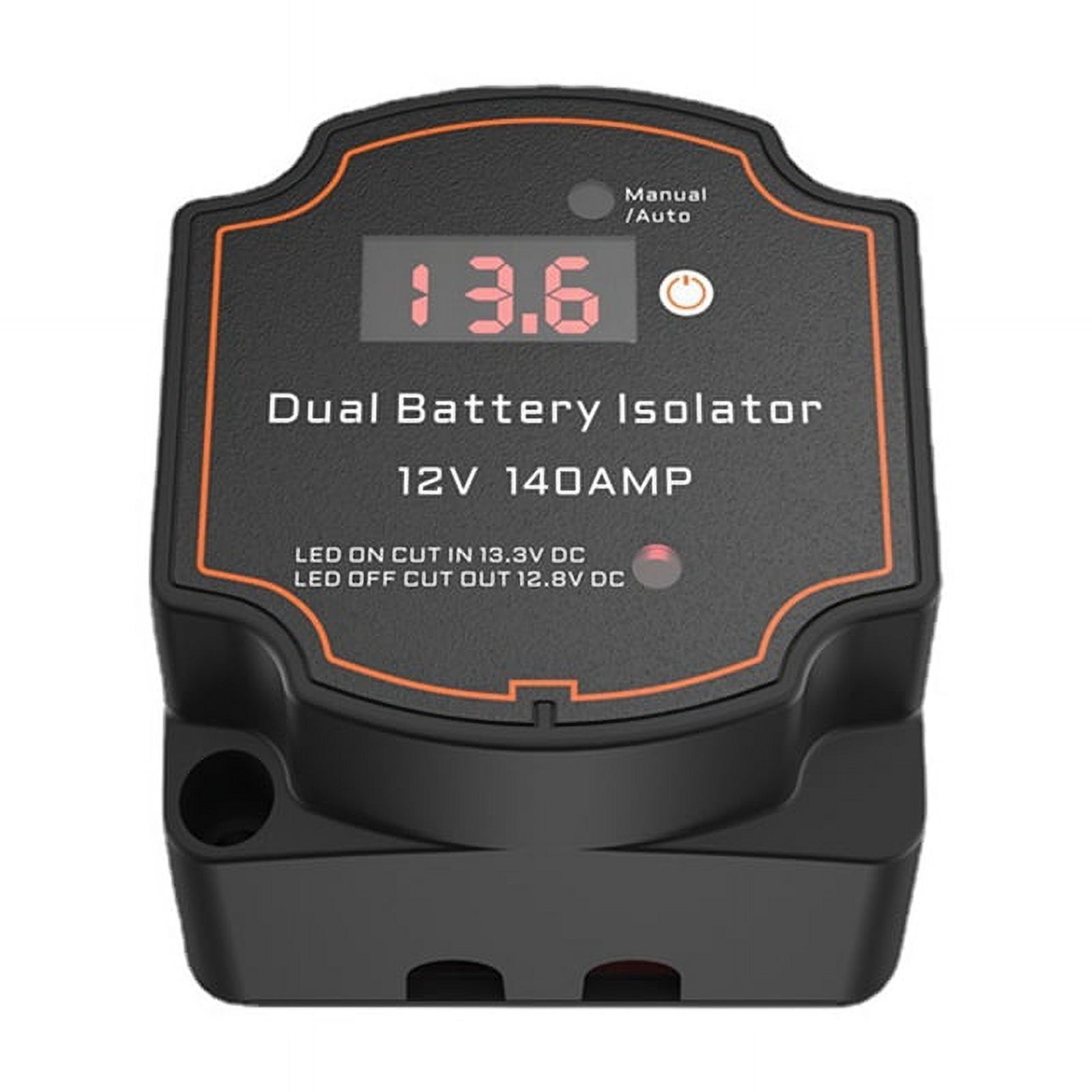
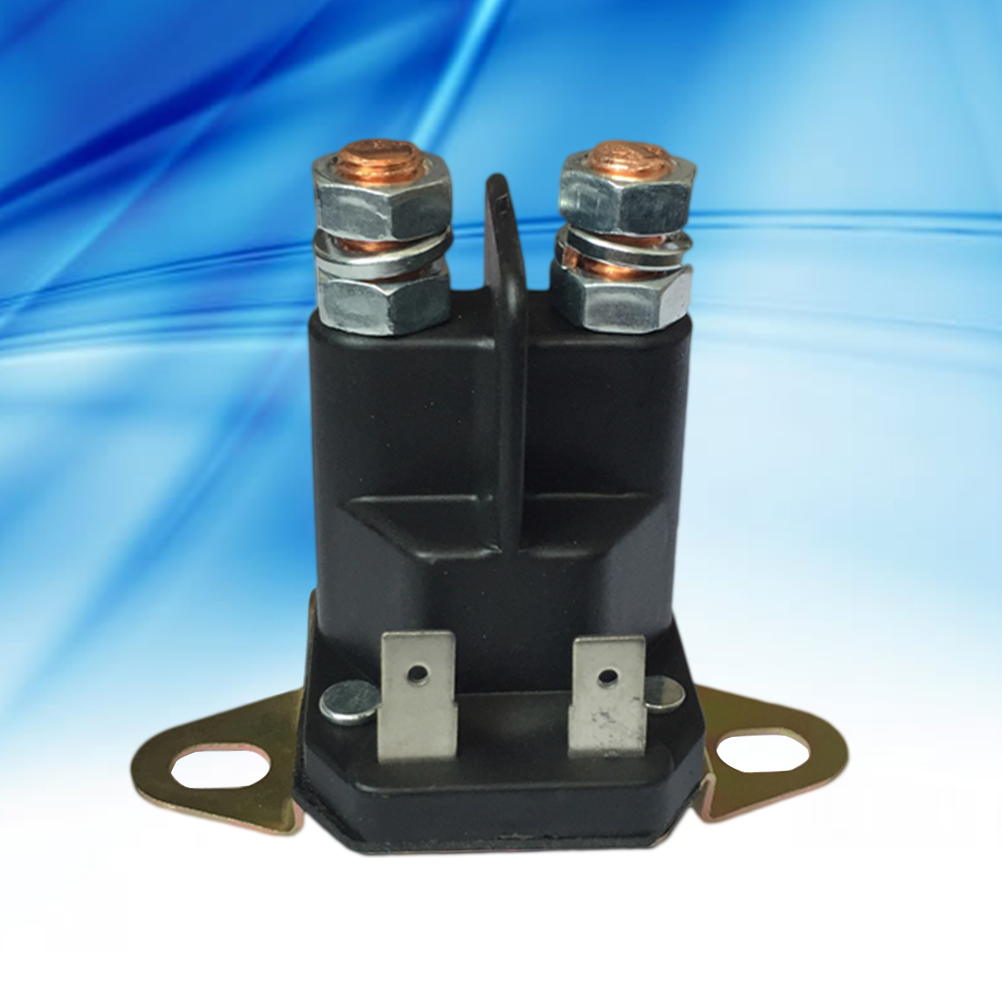
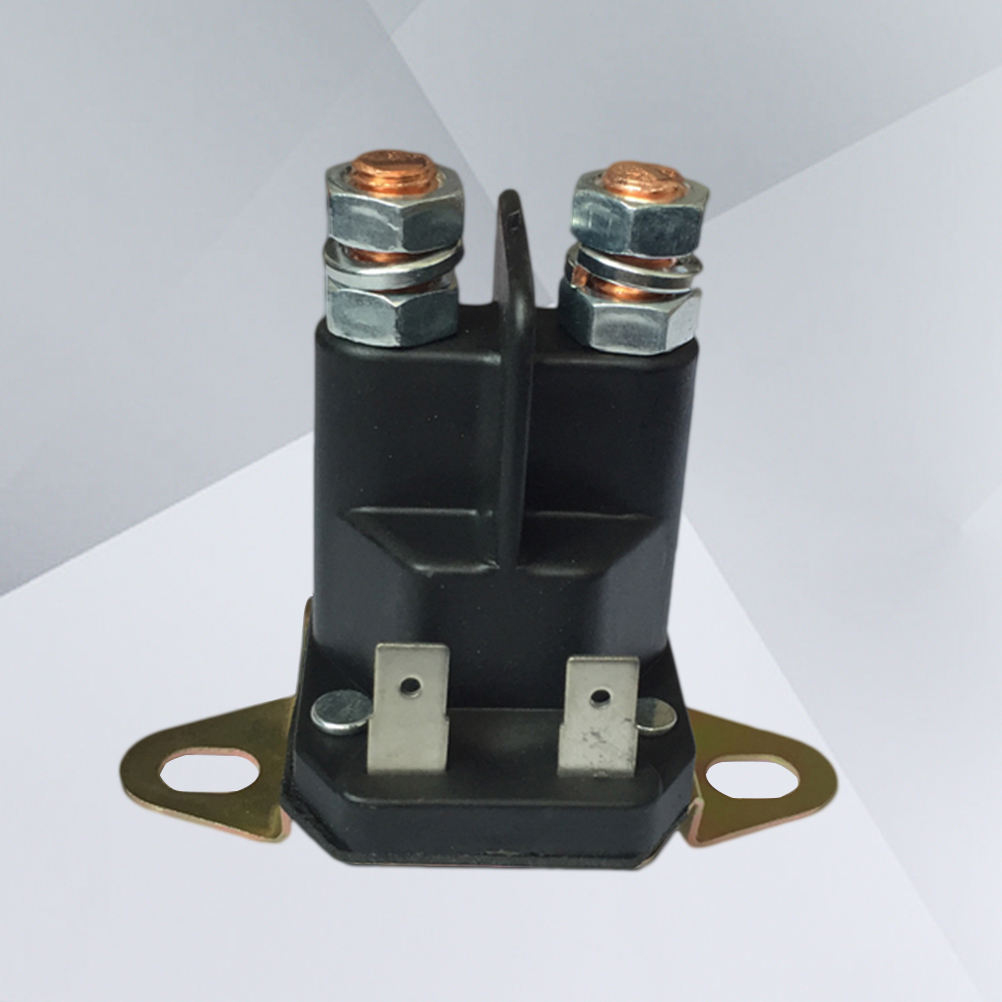
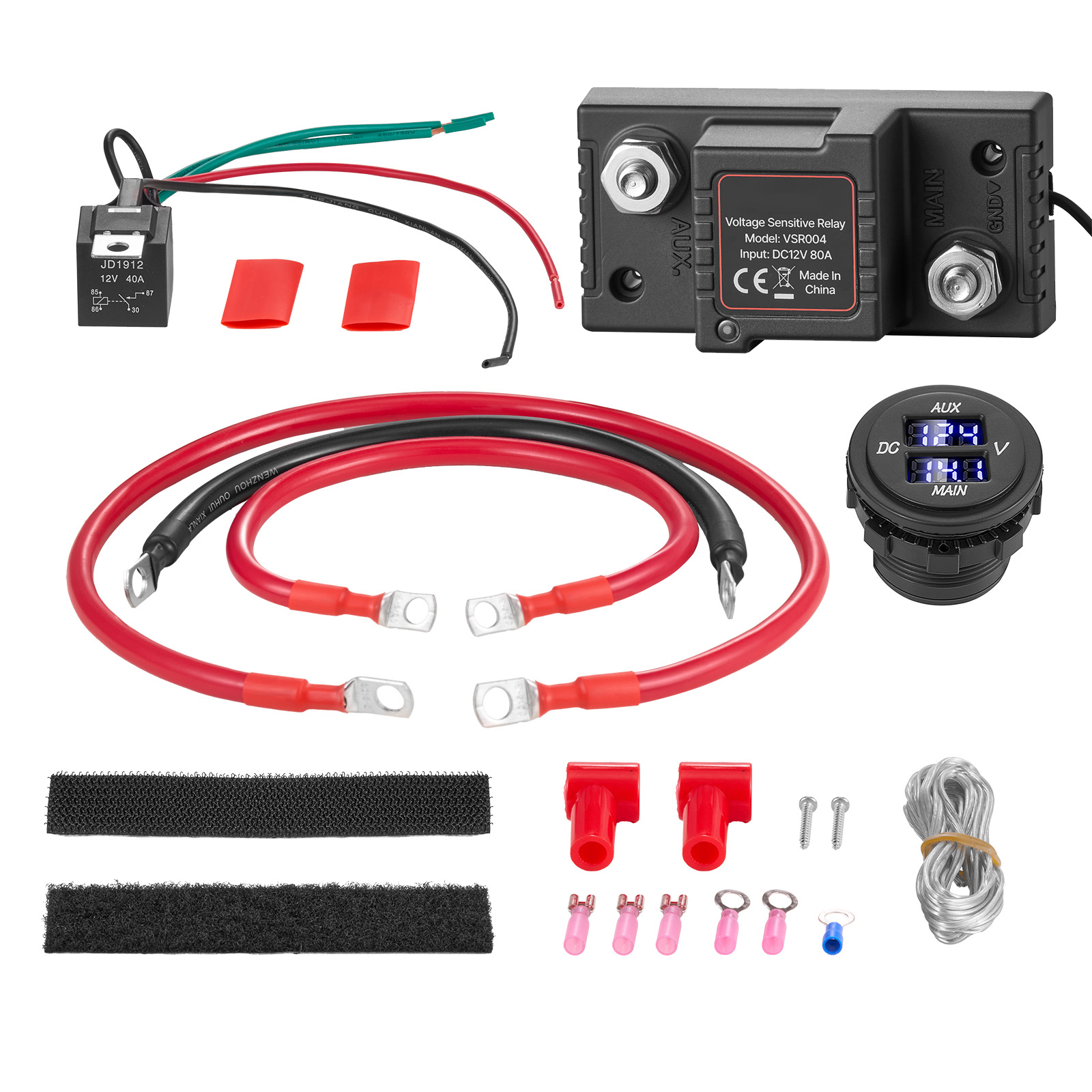
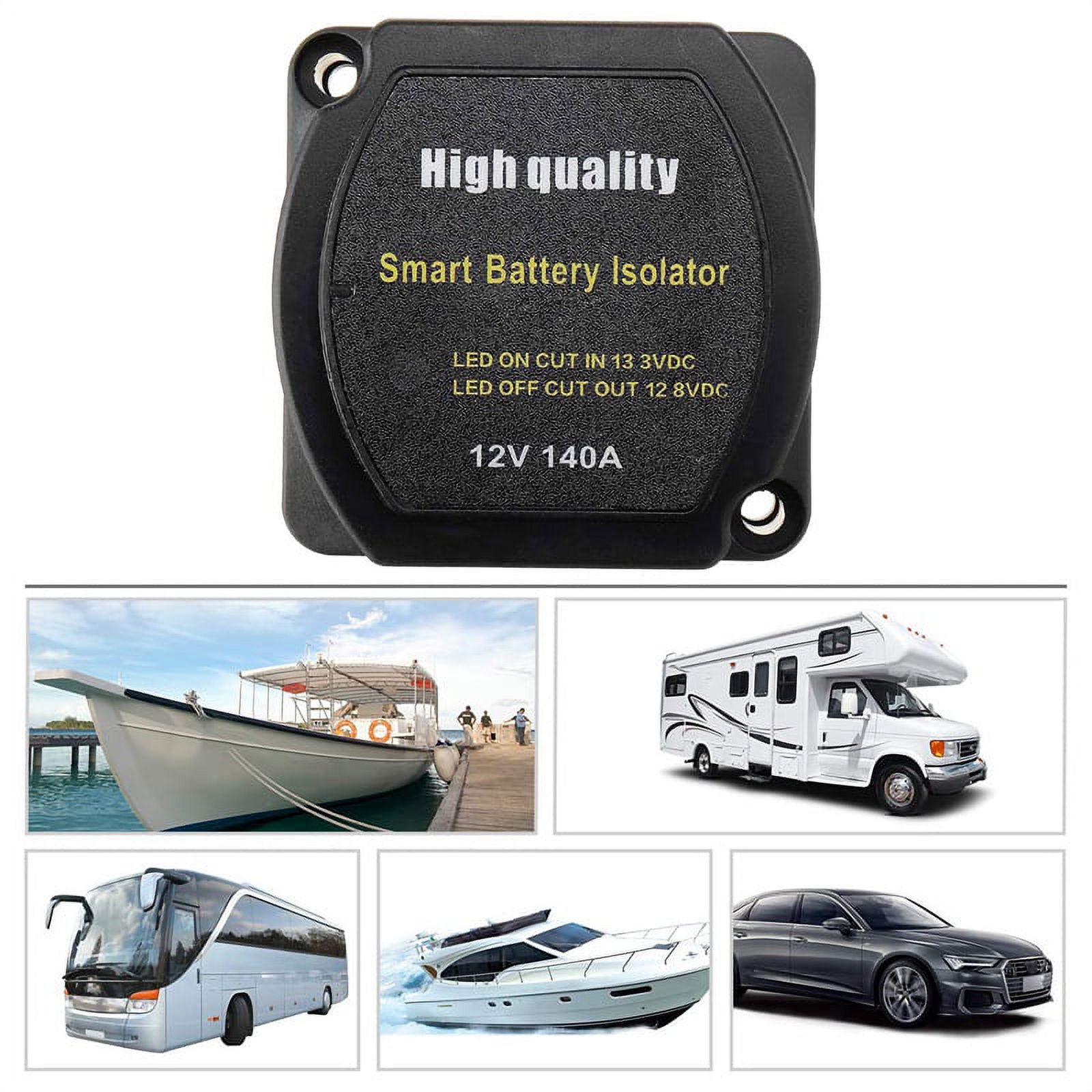
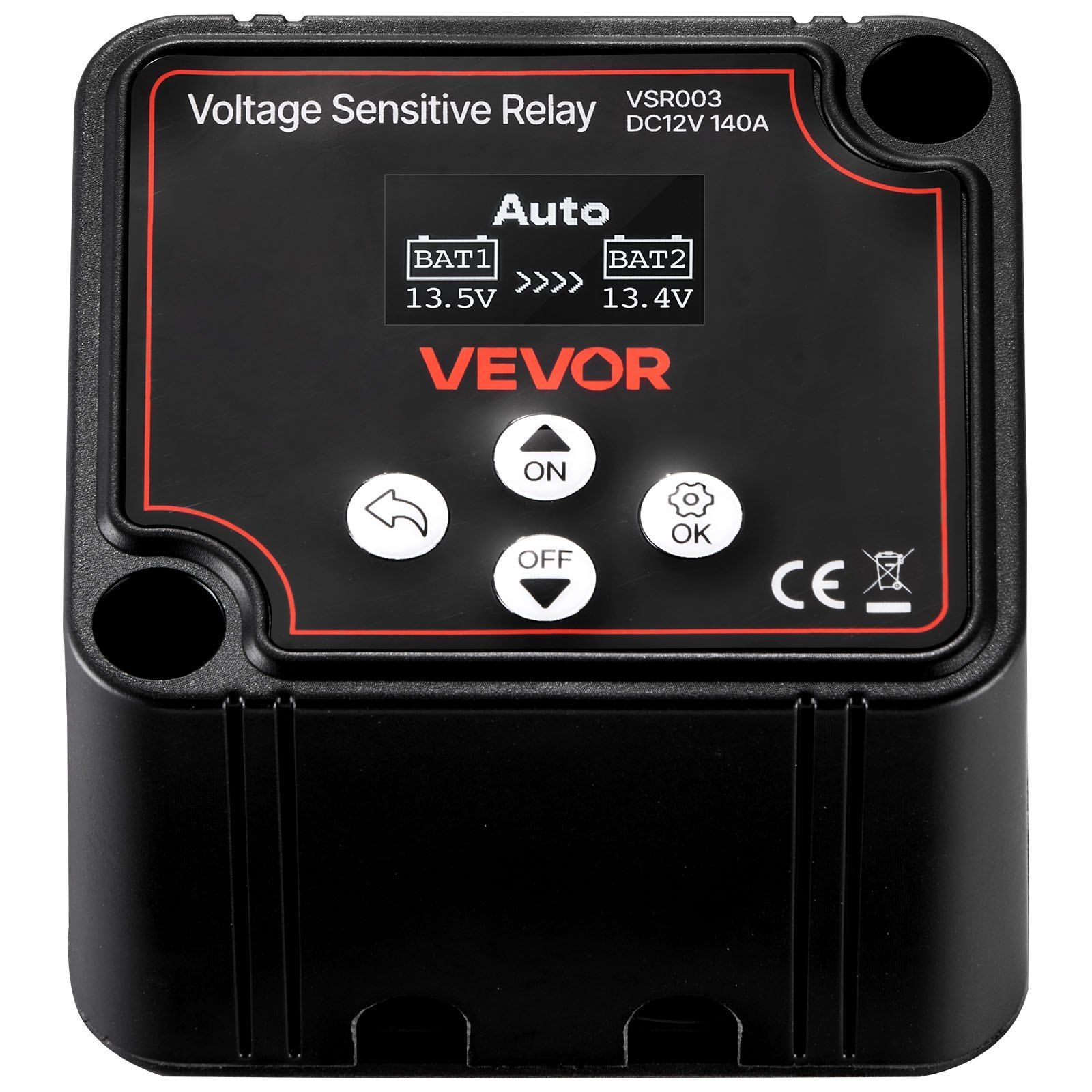
This smart battery isolator is a 12V relay that automatically separates and connects two batteries that share a common ground. It lets both batteries charge from one source and keeps them isolated when no charging source is present. This prevents the start battery from being drained and protects sensitive electronics powered from the house battery.
The isolator is dual sensing. It reads the charge of both batteries, so if either one is receiving a charge, such as a charger connected to the auxiliary battery, the relay engages and charges both. It makes sure the first battery reaches 13.4V before connecting the second. This avoids problems when the charging source is too low in amps to charge all batteries at once.
When the engine starts and the start battery reaches 13.4 volts, the relay engages and charges the start and accessory banks together. When the voltage drops below 12.9 volts, for example when the engine stops, the relay disengages and separates the batteries. Units can be placed in sequence between batteries to charge several in a multiple-battery setup, such as a larger boat with 2 or more house batteries.
- DC power
- 12V
- Continuous current
- 140A
- Intermittent current
- 170A
- Cut-in voltage
- 13.4V
- Cut-out voltage
- 12.9V
- Back-up current
- 13.0mA or less at 12.5V
- Ignition protection
- UL1107/UL1500
- Operating temp
- -30 to 105°C (-22°F to 221°F)
- Dimensions
- 2.68 in (68 mm) x 2.68 in (68 mm) x 1.93 in (49 mm)
- Connection
- 3 wires at the battery
- Voltage drop