Viofo A119 V3 Dash Cam Front 1 Channel 2K Quad HD 5MP Starvis GPS Dash Camera
Best price now
$144.49at Dream IceChecked Nov 12
Prices are checked against each store and labelled with when.

Prices are checked against each store and labelled with when.
It checks today's price at every store, compares the alternatives and answers in about a minute.
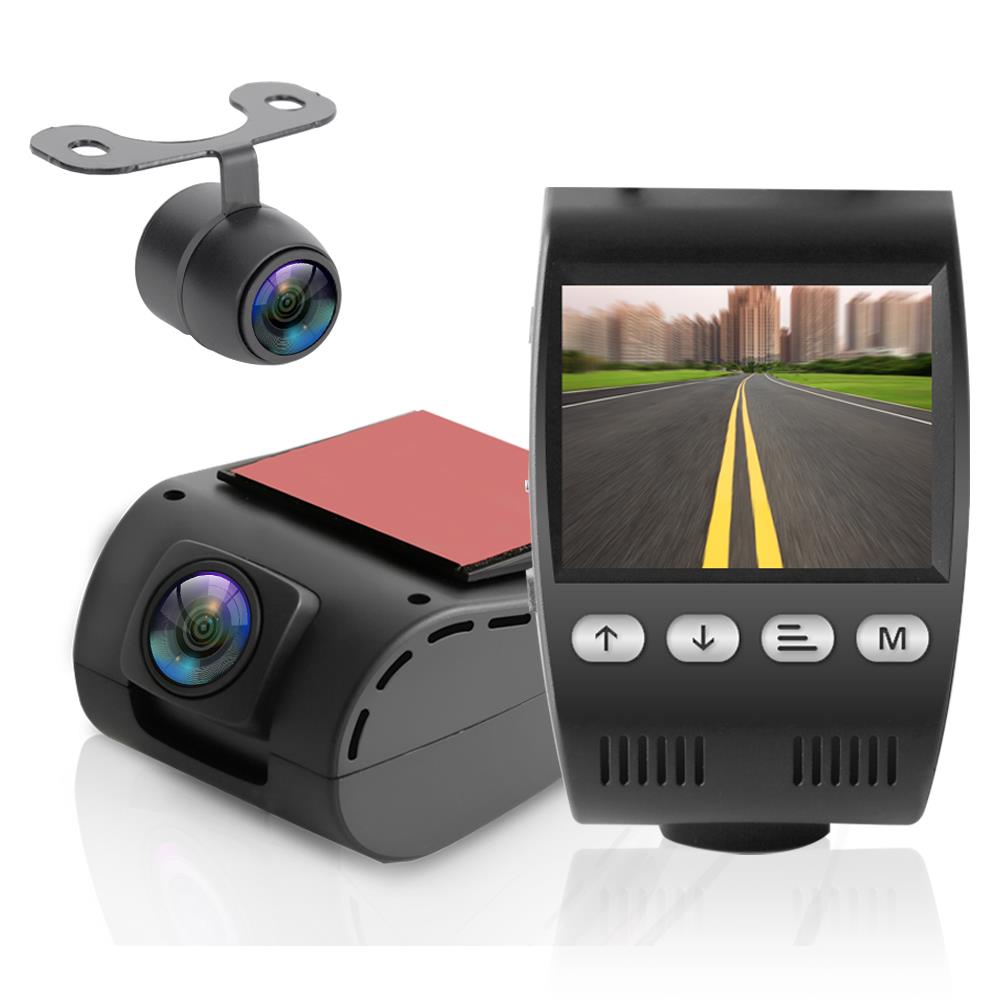
The Viofo A119 V3 is a single-channel front dash cam built around a 5MP Sony Starvis IMX355 sensor and an F1.6 7G lens. It records 2560x1600 at 30fps with HDR, a 140-degree field of view and a wedge shape that tucks against the windshield. A GPS module stamps speed, time and route into the footage, and buffered parking mode records before and after an event. It is a long-standing favorite among dash cam owners for plate readability and reliability, and it competes with the Viofo A119 Mini and Vantrue N2 models on sensor quality rather than extras like a rear camera or screen.
In stockShips from the UK · priced in GBP (£109.00) · duties may applyReturn policy
Owners and reviewers rate the A119 V3 highly for video clarity, especially reading plates at night, and for its dependable buffered parking mode. Most criticism centers on the lack of Wi-Fi and the extra cost of the hardwire kit for parking features.
The Viofo A119 V3 is a single-channel front dash cam with a 5MP Sony STARVIS IMX355 sensor and an F1.6 7G lens. It records at 2560x1600 resolution and 30 frames per second. The 140-degree angle gives a wide view of the road without a fisheye look.
HDR automatically balances over-bright and over-dark areas, so license plates stay readable under strong headlights at night. A built-in GPS module records real-time speed, time and route in the video file, and compatible viewers can show this data on playback. A date and time stamp is embedded in the footage.
Parking mode offers three options: Auto Event Detection, Time Lapse and Low Bitrate Recording. With Auto Event Detection, buffered recording saves video from before and after an event. The camera supports the HK3 ACC 3-wire hardwire cable (sold separately), which uses the ACC signal to detect car start and stop more sensitively.