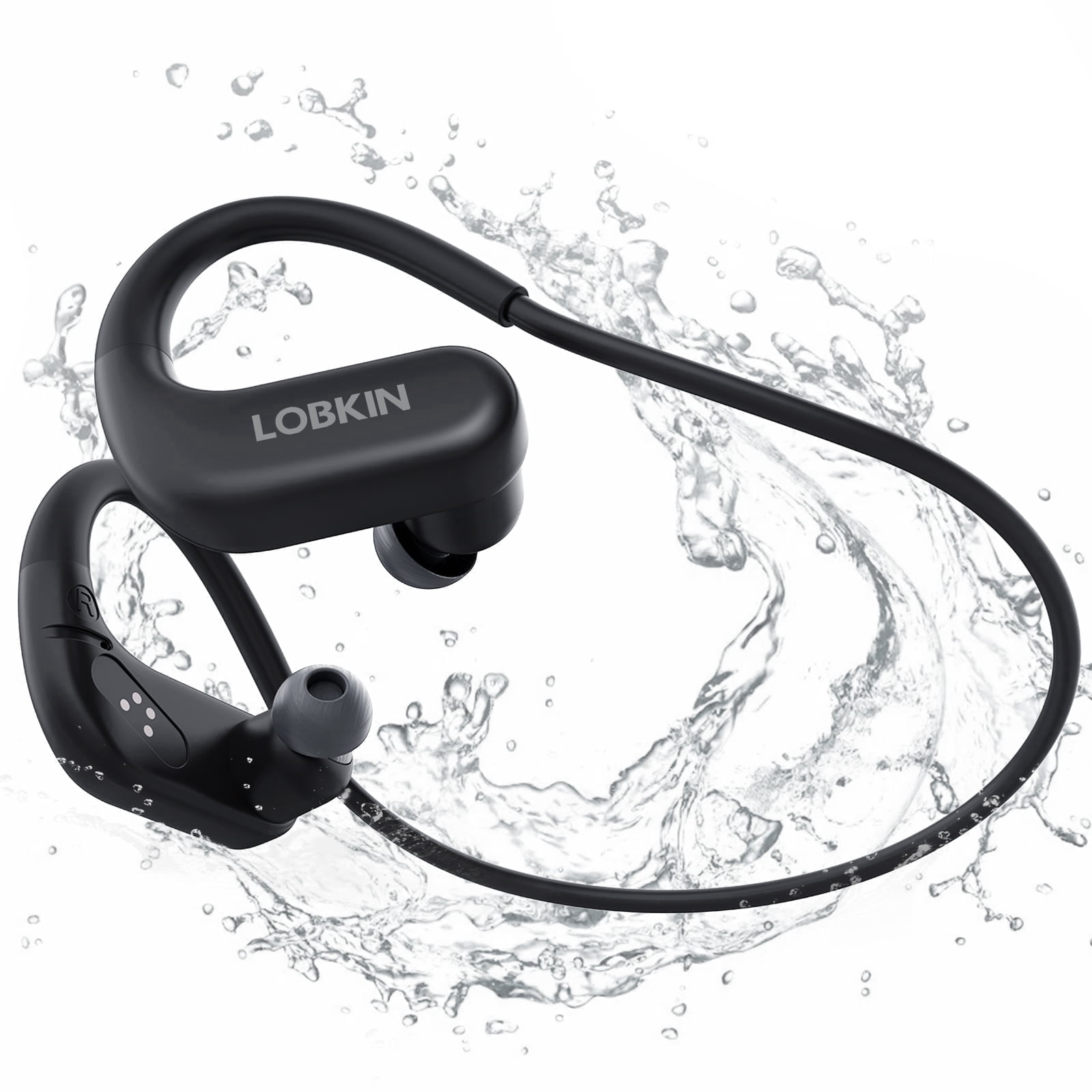
- How do bone conduction headphones work?
- They rest on the cheekbones in front of the ear and vibrate the skull, so sound reaches the inner ear without blocking the ear canal. That is why you can still hear traffic and conversation while they play.
- Are they good for running and cycling?
- Yes, that is the point of the open-ear design: you hear cars, bikes and people around you. Stability depends on the headband fit, so check that it holds during fast movement.
- Will other people hear my music?
- At moderate volume, leakage is limited. Turn them up loud in a quiet room and people close by may hear some sound, which is common to open-ear designs.
- Do they work for calls?
- They are built for wireless audio and can handle calls, but open-ear microphones pick up more surrounding noise than earbuds with sealed tips. Quiet spots work better than windy streets.
- What is the LED display for?
- It shows the battery level on the headphones themselves, so you can see how much charge is left without checking your phone.
- Are they waterproof?
- The design suits active use and sweat, but no water-resistance rating is stated, so do not swim or shower in them.
- Where is the Wireless Open-Ear Sports Headphones cheapest?
- At Amazon, for $28.99, as of our latest check.
- Where can I buy the Wireless Open-Ear Sports Headphones?
- 2 stores we checked sell it, including Amazon, AltaMoro-online.