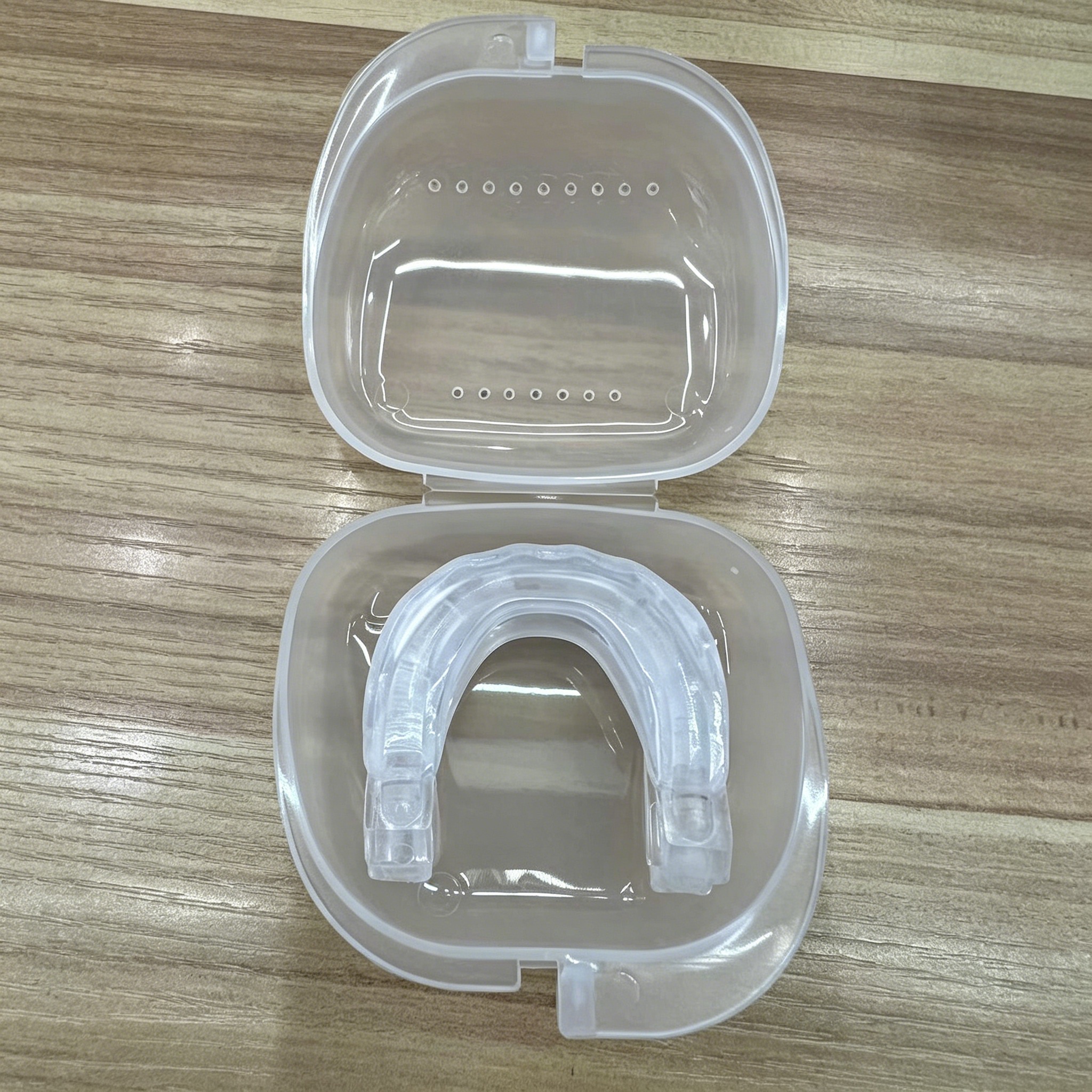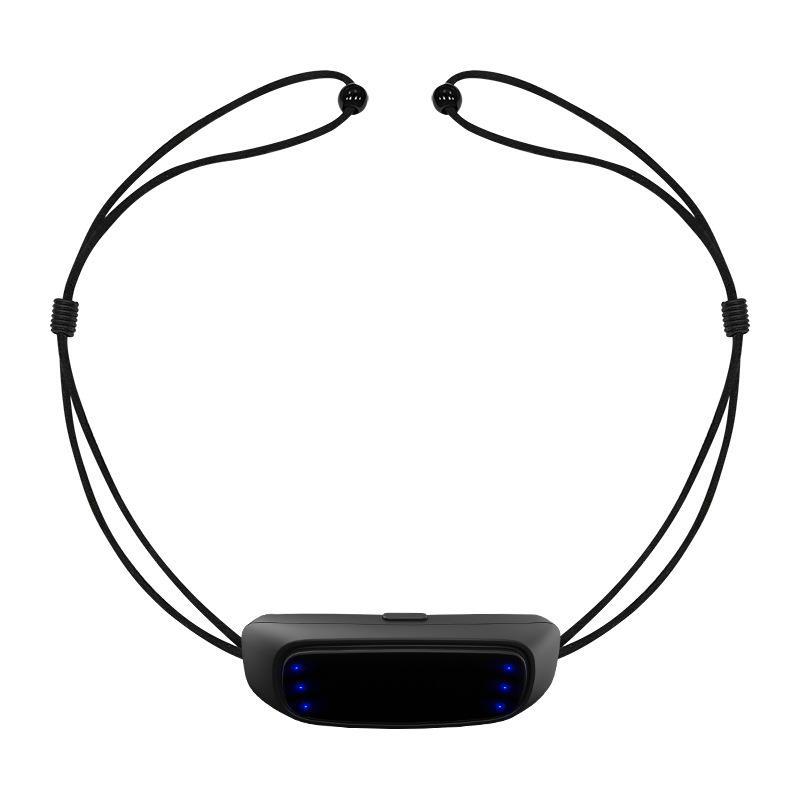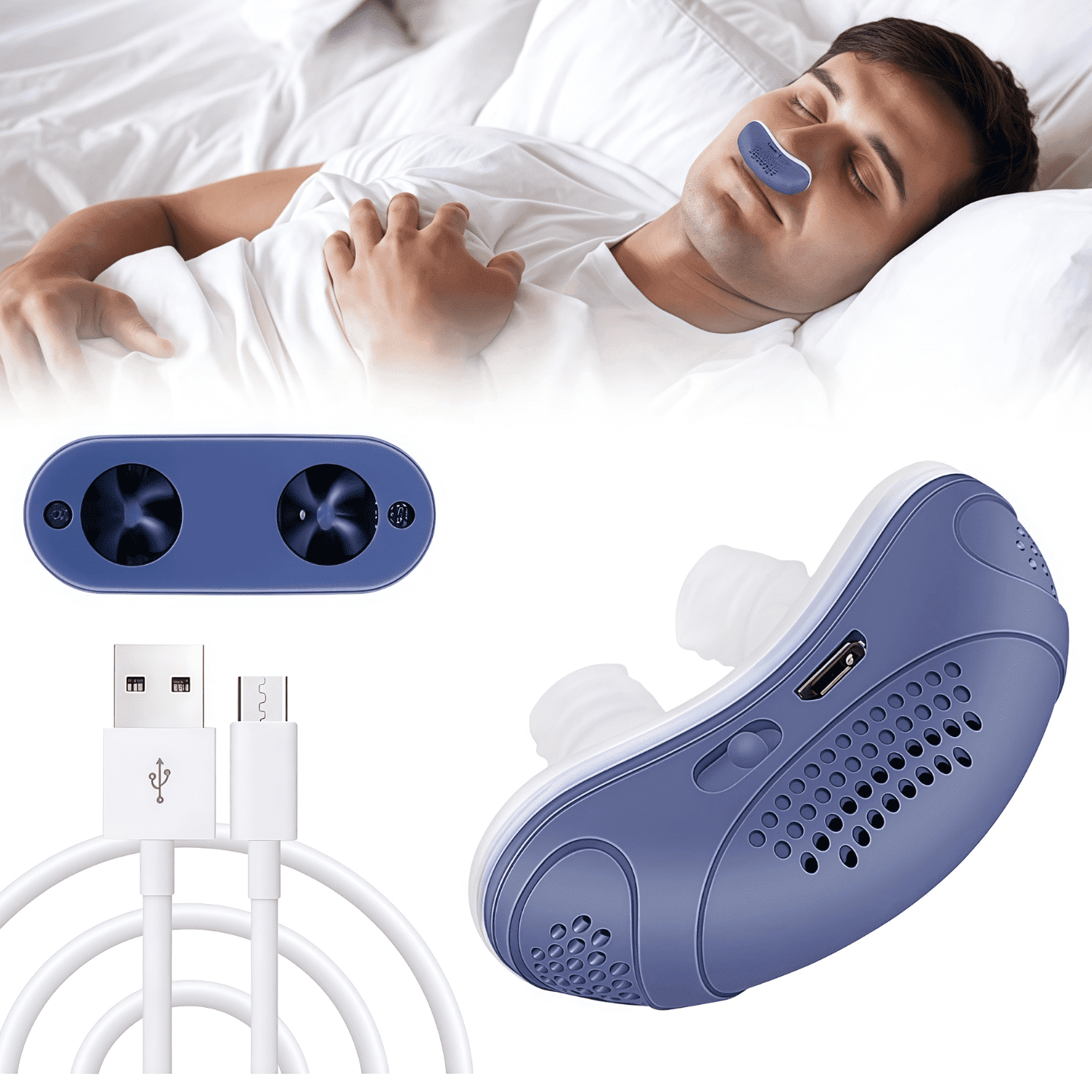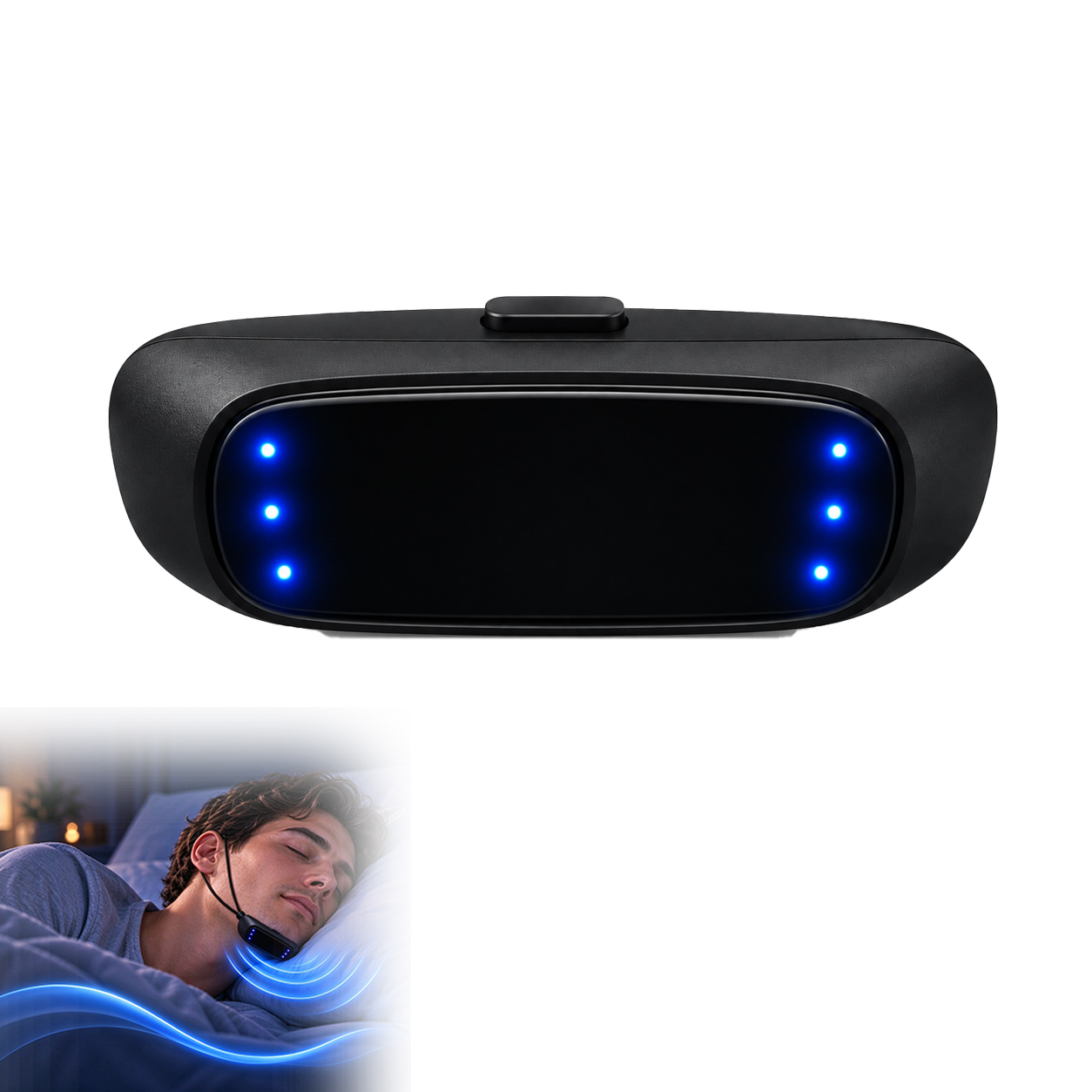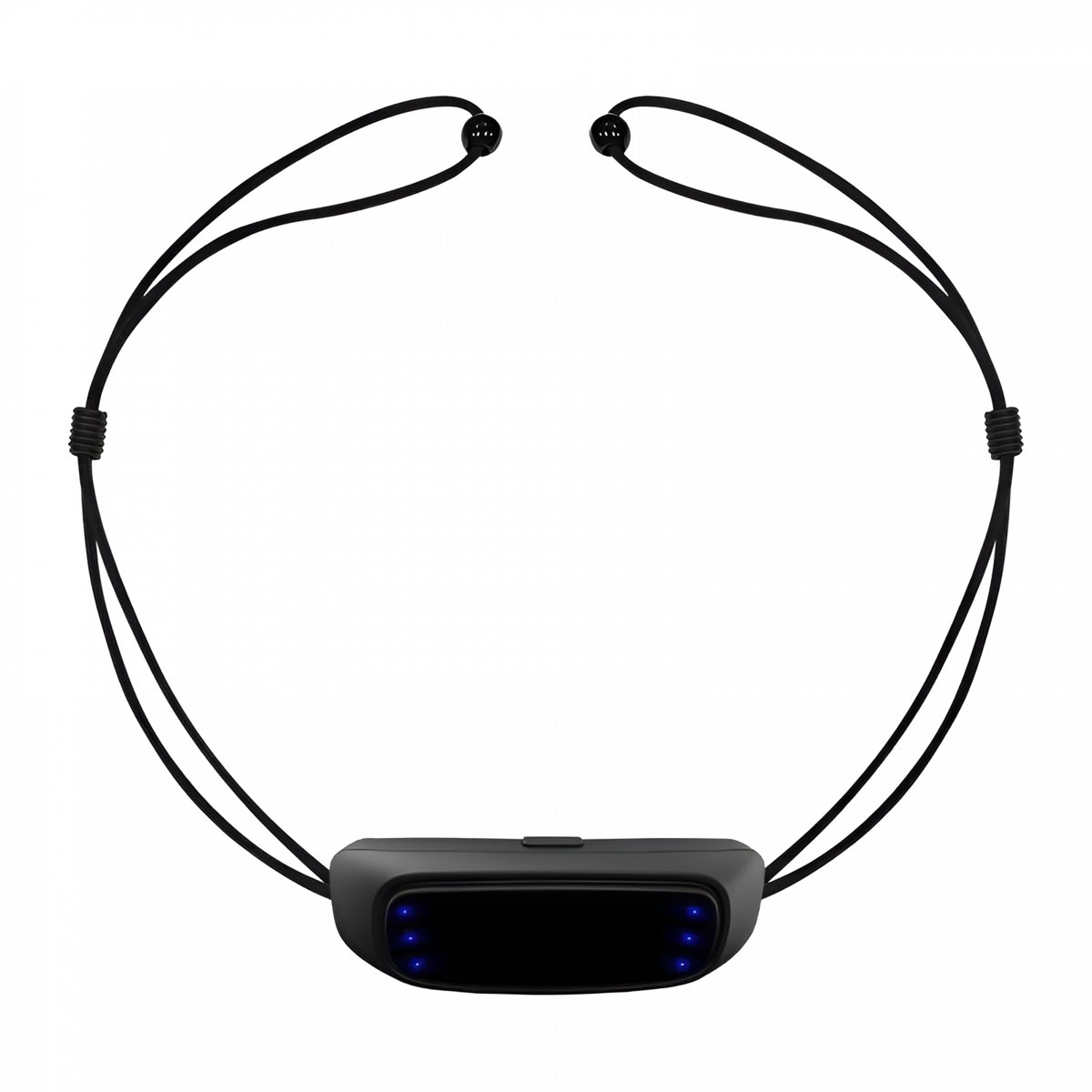
XIRQI Sleep Apnea Device,Portable Apnea Device,Anti-Snoring Chin Strap to Help You Get a Pure Sleep,For Men And Women
Last price we saw
Prices change often: ask the agent below to check today's price at every store.
Prices are checked against each store and labelled with when.
Check today's price at WalmartPrice facts
- Last seen at $8.28 at Walmart on Nov 25.
Our take on the XIRQI Sleep Apnea Device,Portable Apnea Device,Anti-Snoring Chin Strap to Help You Get a Pure Sleep,For Men And Women
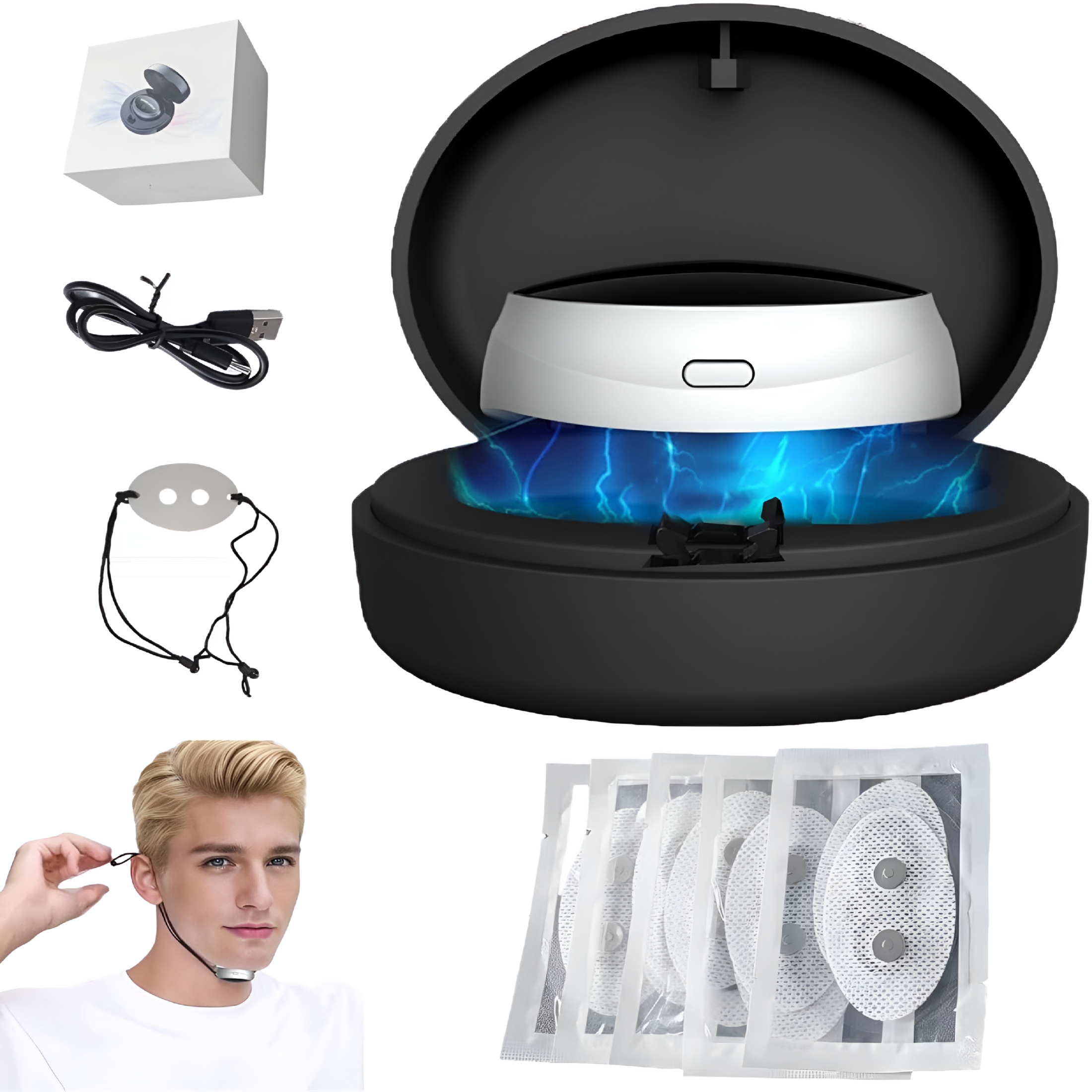
The XIRQI is a wearable anti-snoring aid built around a chin strap that holds the jaw forward to keep the airway open at night. It is one size and comes in blue. It sits in the same category as mouthguards and nasal strips but works by jaw positioning rather than by opening the nose or moving the tongue. The description also claims sound-recognition technology that vibrates in response to snoring, which is unusual for a strap at this level and is not something buyers can verify from the product alone. It suits light snorers who want a low-effort, non-invasive option and are willing to give it several weeks.
- Non-invasive: no mouthpiece, nose insert or mask
- Chin strap design holds the jaw forward to keep the airway open
- One size fits most adults
- Simple to put on and take off
- Marketed as suitable for both men and women
XIRQI Sleep Apnea Device,Portable Apnea Device,Anti-Snoring Chin Strap to Help You Get a Pure Sleep,For Men And Women prices at every store
- WalmartNew
Out of stockSold by Seller
$8.28Free shippingChecked Nov 25
Also available at
- WalmartCheck price at Walmart
XIRQI Sleep Apnea Device,Portable Apnea Device,Anti-Snoring Chin Strap to Help You Get a Pure Sleep,For Men And Women price history
Lowest price we've seen: $6.63 on Nov 12 at Walmart; highest $8.28 on Nov 25. Tracked across 1 store since Nov 12.
About the XIRQI Sleep Apnea Device,Portable Apnea Device,Anti-Snoring Chin Strap to Help You Get a Pure Sleep,For Men And Women
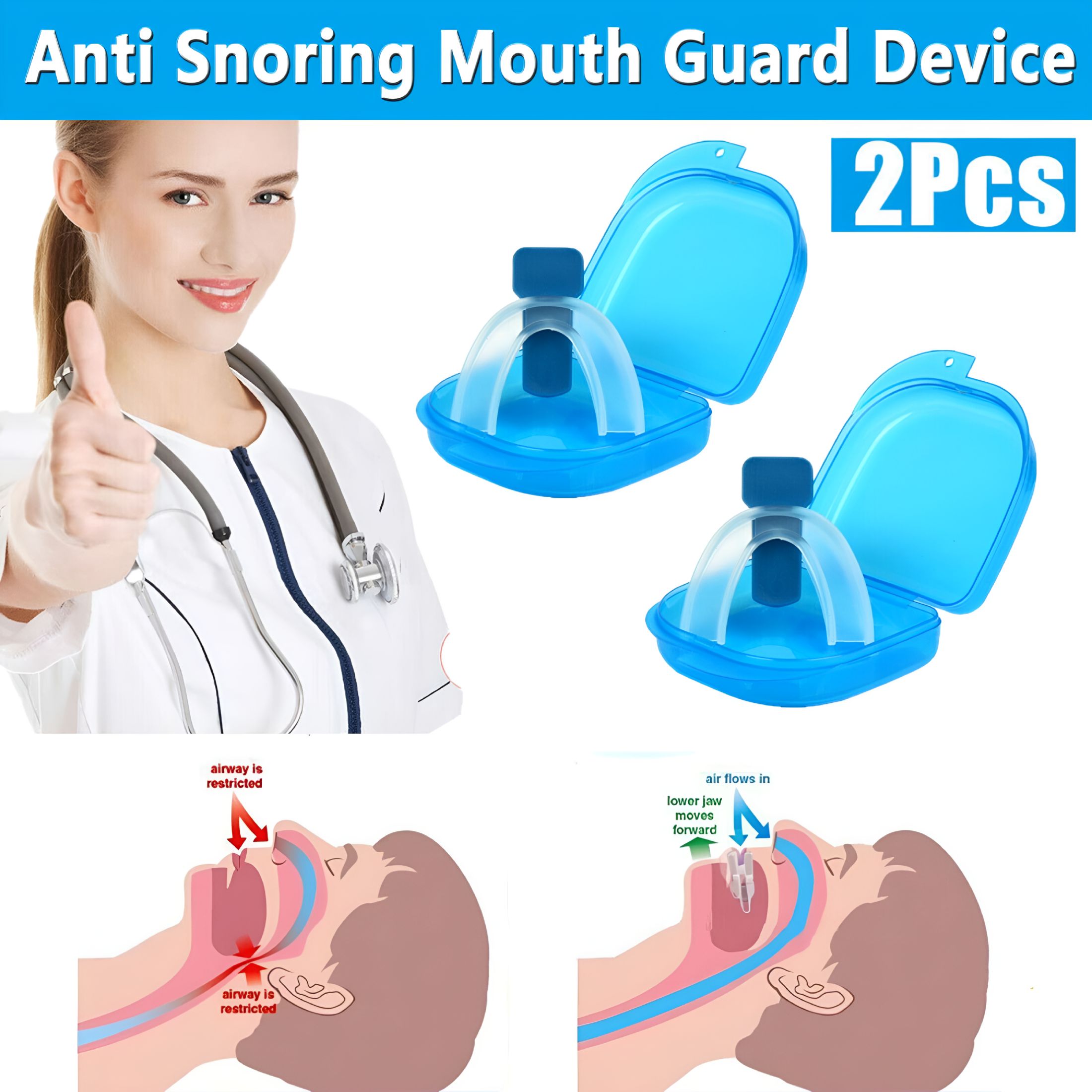
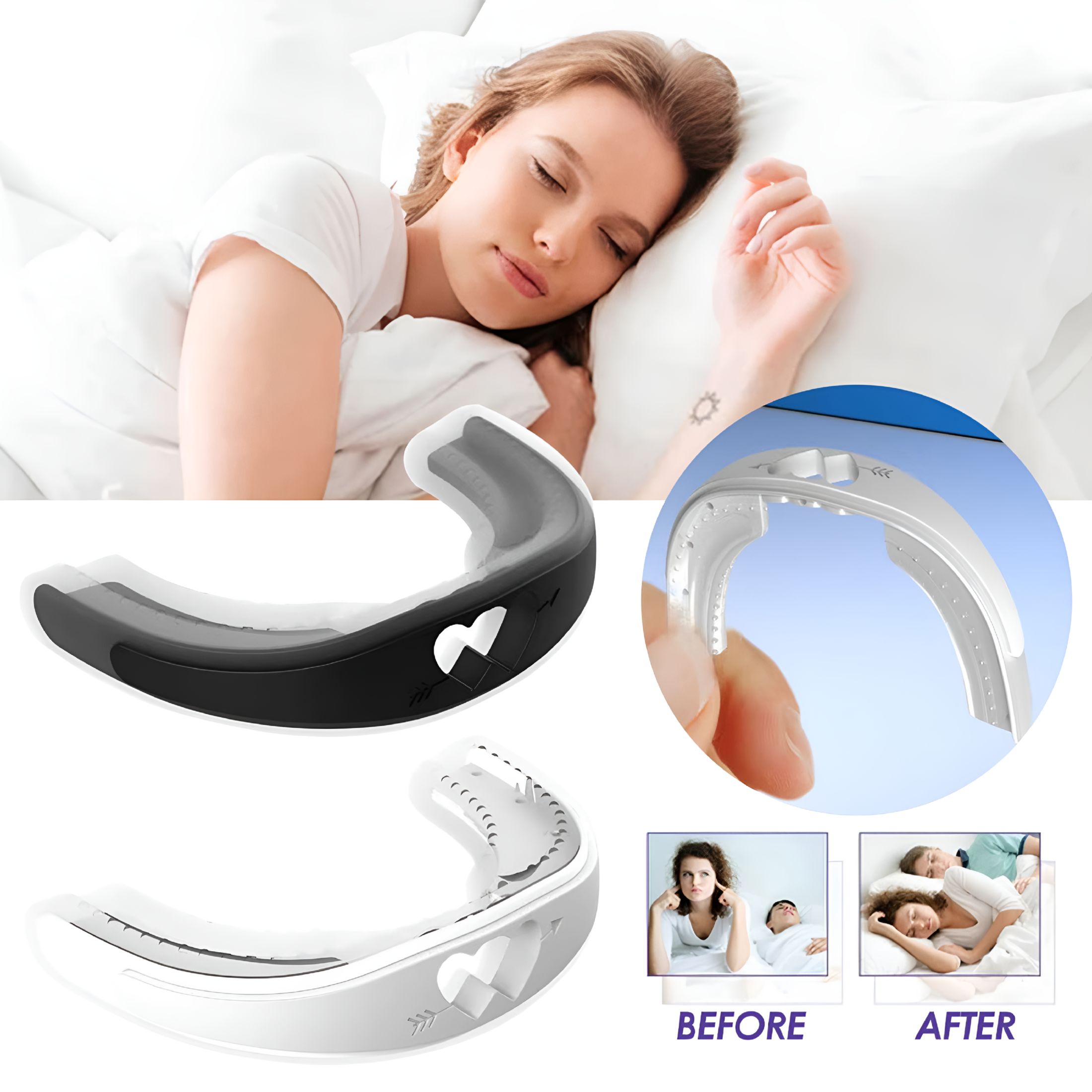
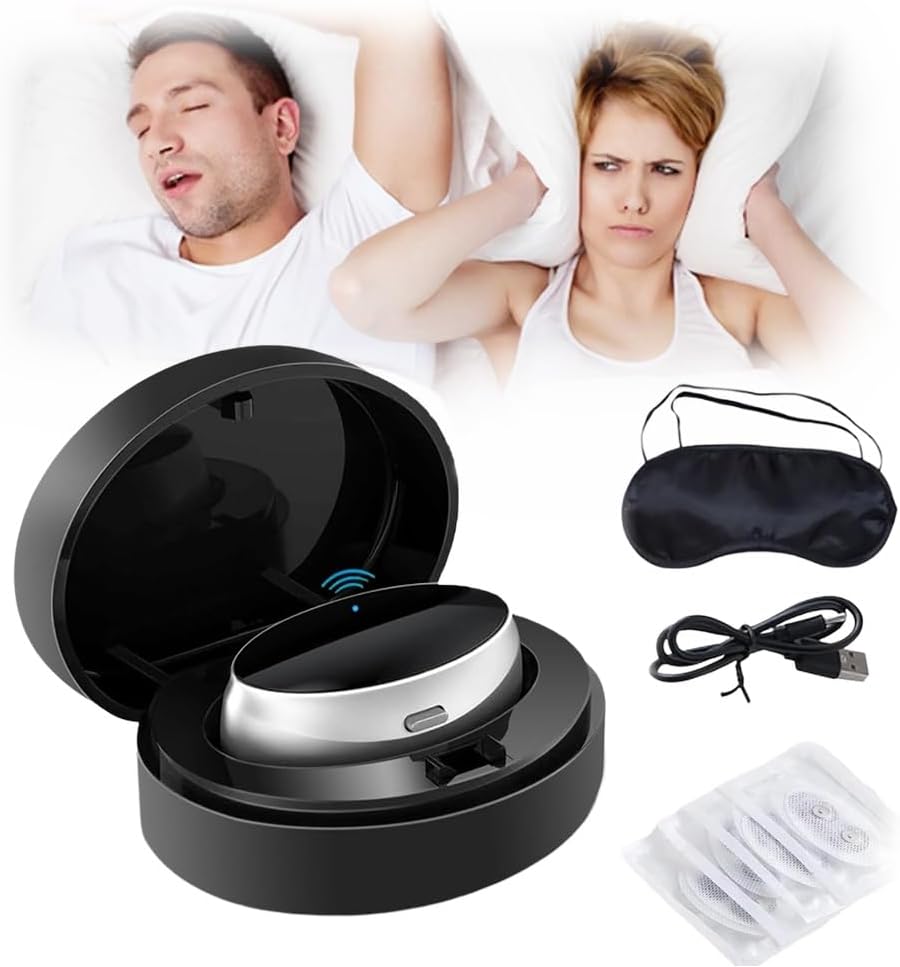
This is an anti-snoring chin strap for men and women. It uses sound recognition technology to detect snoring. When it does, it gives off vibrations that stimulate and massage the nerves and help relax the throat muscles.
Snoring can block the airways. The device is meant to relieve congestion or restore the airways, which helps reduce snoring and improves sleep quality.
The chin strap works on the hypoglossal nerve and the jaw muscles, which need time to recover from a relaxed state and tighten. People who snore are advised to use it for 6-8 weeks.
- Type
- Anti-snoring chin strap with sound recognition and vibration
- Size
- One Size
- Color
- Blue
- Suitable for
- Men and women
- Recommended use
- 6-8 weeks for people who snore
Specifications
- size
- One Sizewalmart.com
- color
- Blue
Ask our agent about this product
It checks today's price at every store, compares the alternatives and answers in about a minute.
Questions and answers
- How does the XIRQI chin strap work?
- It holds the lower jaw slightly forward, which is meant to keep the throat airway open and reduce snoring. The description also claims built-in sound recognition that vibrates when it detects snoring.
- How long before I notice a difference?
- The maker recommends 6-8 weeks of regular use, since the jaw and throat muscles need time to adjust. Some users notice less noise sooner, but the stated window is longer.
- Will one size fit me?
- It is sold in a single size, so fit depends on your head and jaw. If the strap feels too loose or too tight, it may not hold the jaw position well.
- Is it comfortable to sleep in?
- It is a fabric strap around the chin and head, so it can feel snug at first. Side sleepers often find straps easier than mouthguards, but tightness and slipping are common complaints with this type of aid.
- Can I use it with a CPAP machine?
- No. A chin strap is not a substitute for CPAP therapy, and it is not designed to be worn with a mask. People with diagnosed sleep apnea should talk to a doctor before relying on a strap.
- Is it safe for everyone?
- It is not recommended for people with jaw problems, loose teeth or dentures, or children. Anyone with diagnosed sleep apnea should treat it as a comfort aid, not a treatment.