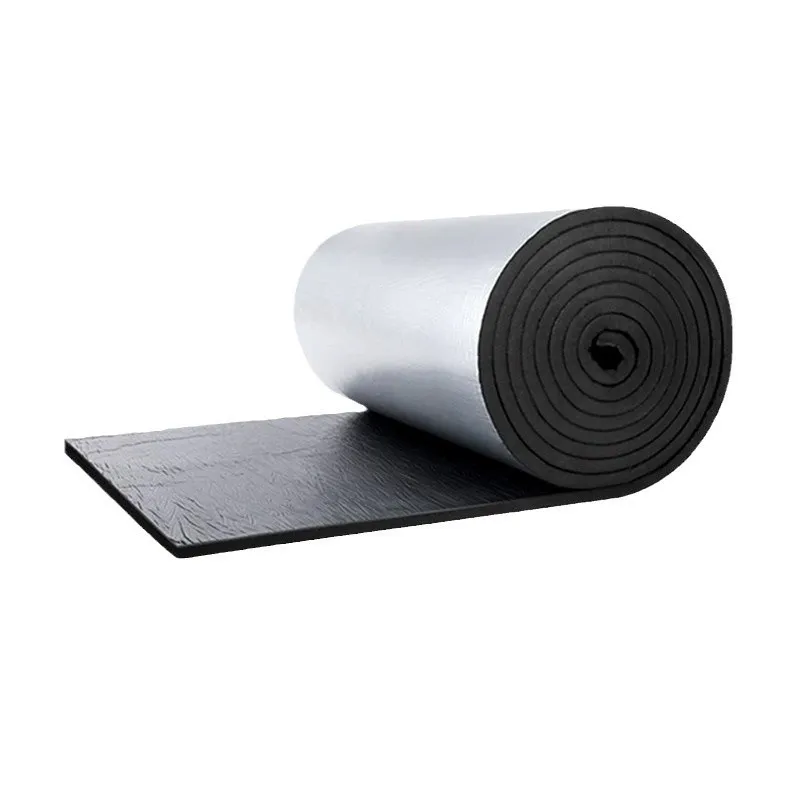
- What does the foil face do?
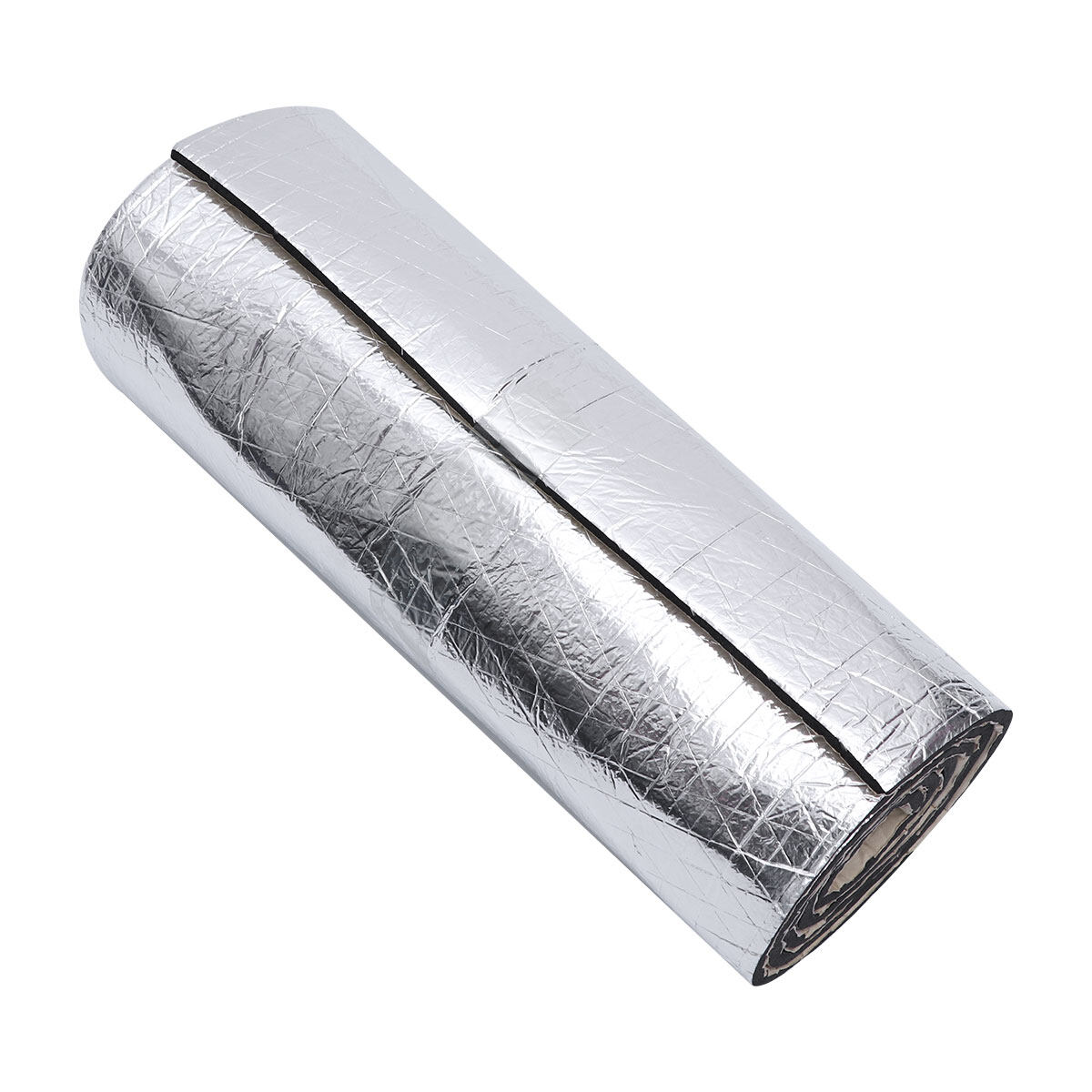
- The aluminum foil reflects radiant heat back toward the warm side, while the foam slows heat passing through. Together they work on both radiant and conductive heat, which is why it suits ducts, pipes and cold walls.
- Which thickness should I choose?
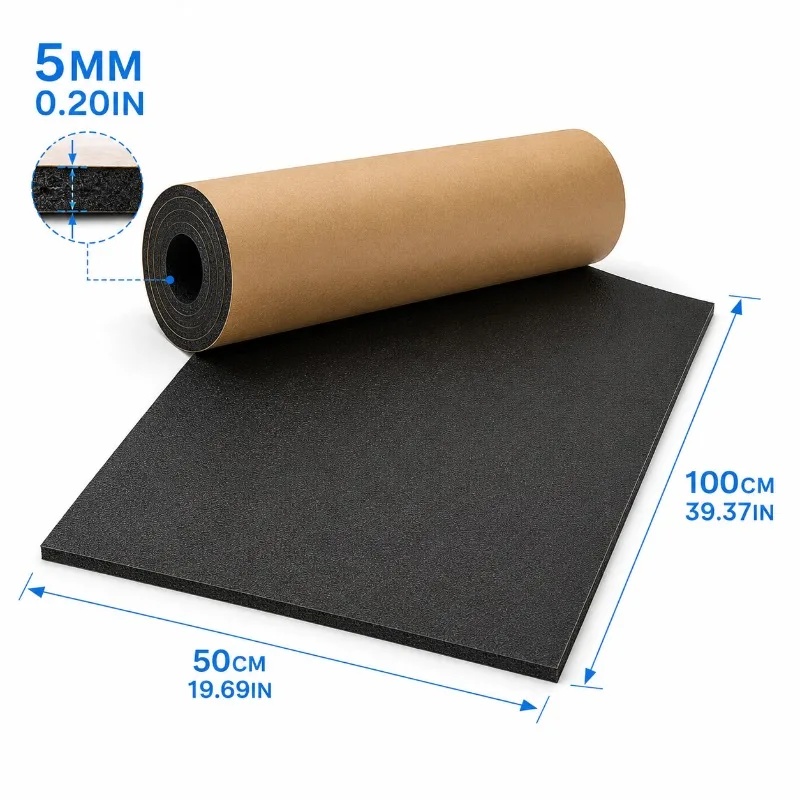
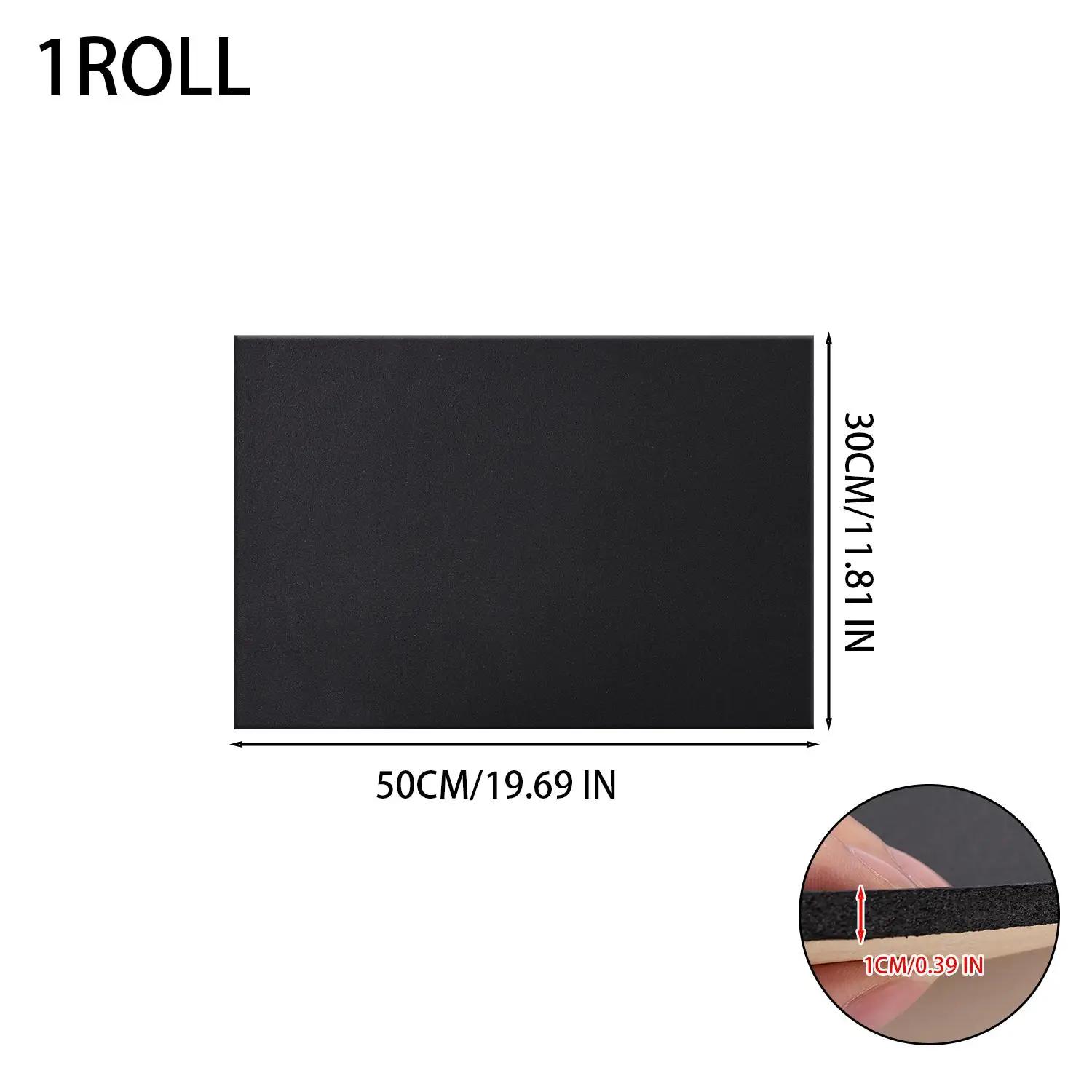
- Use 5 mm for tight gaps and light condensation control, 10 mm for general wall and duct wrapping, and 20 or 30 mm where you need more insulation or sound damping. Thicker rolls are stiffer and harder to bend around tight curves.
- Can it be used near hot surfaces?
- The material is rated for operating temperatures up to 200, so it handles warm ducts and pipes. Keep it off open flames and check the surface temperature of anything you wrap before sticking it on.
- How do I apply it?
- Clean and dry the surface, cut the roll to size, peel the backing and press the foam side down firmly. Work from one end and smooth out air bubbles as you go so the tape grips evenly.
- Is it fire rated?
- The material is listed at Level B. That is a material class, not a full fire test of your assembly, so check local building rules before using it on walls or ceilings in a home.
- What is in the box?
- One roll of foil-faced foam insulation board, one square meter, with the self-adhesive tape backing already applied.
- Where is the Self-Adhesive Foil-Faced Foam Insulation Roll cheapest?
- At Deal.ai, for $16.99, as of our latest check.