Best telescopes for astrophotography for beginners
Researched by Deal.ai's shopping agent across stores on November 3, 2026. Prices below are today's.
Start here: Celestron StarSense Explorer DX 130AZ. It's the friendliest real astrophotography starter — a 130mm reflector on a sturdy alt-az mount, and the StarSense app uses your phone to find and frame targets, so you spend the night shooting instead of hunting. Add a phone adapter and you're capturing the Moon, planets and bright clusters on night one.
Who the others suit:
- Celestron NexStar 130 SLT — same aperture, but a motorised GoTo mount that tracks objects for you: the pick if you want longer exposures without nudging the scope.
- Celestron StarSense Explorer DX 5" SCT — compact and long focal length, best for planets and the Moon, and easiest to carry to a dark site.
- Gskyer 90 Explore — a simple refractor for someone who mainly wants to look, with occasional phone shots.
- Sidara Nano 114 — a small, fast reflector for wide-field shots of the Milky Way if you already own a tracking mount.
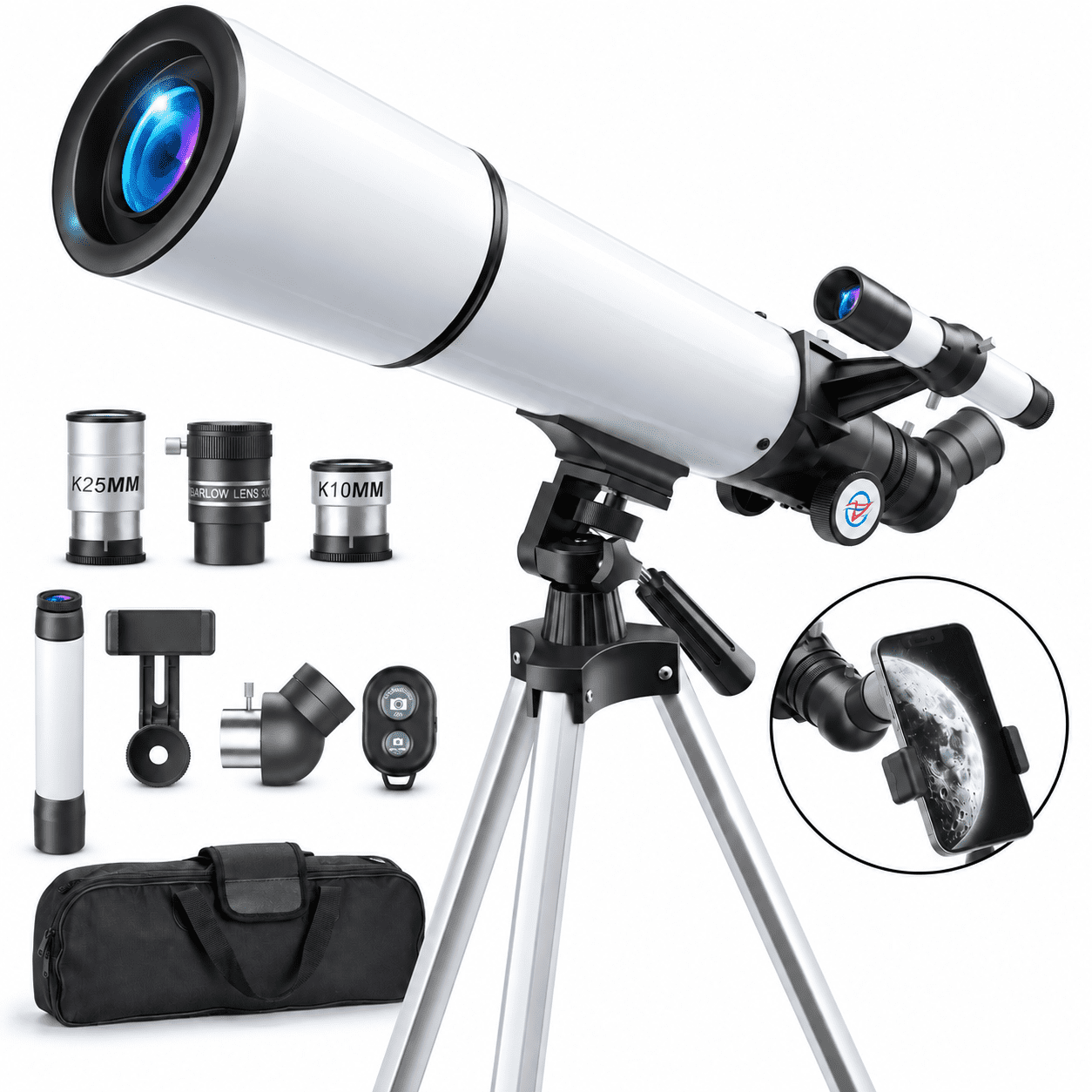
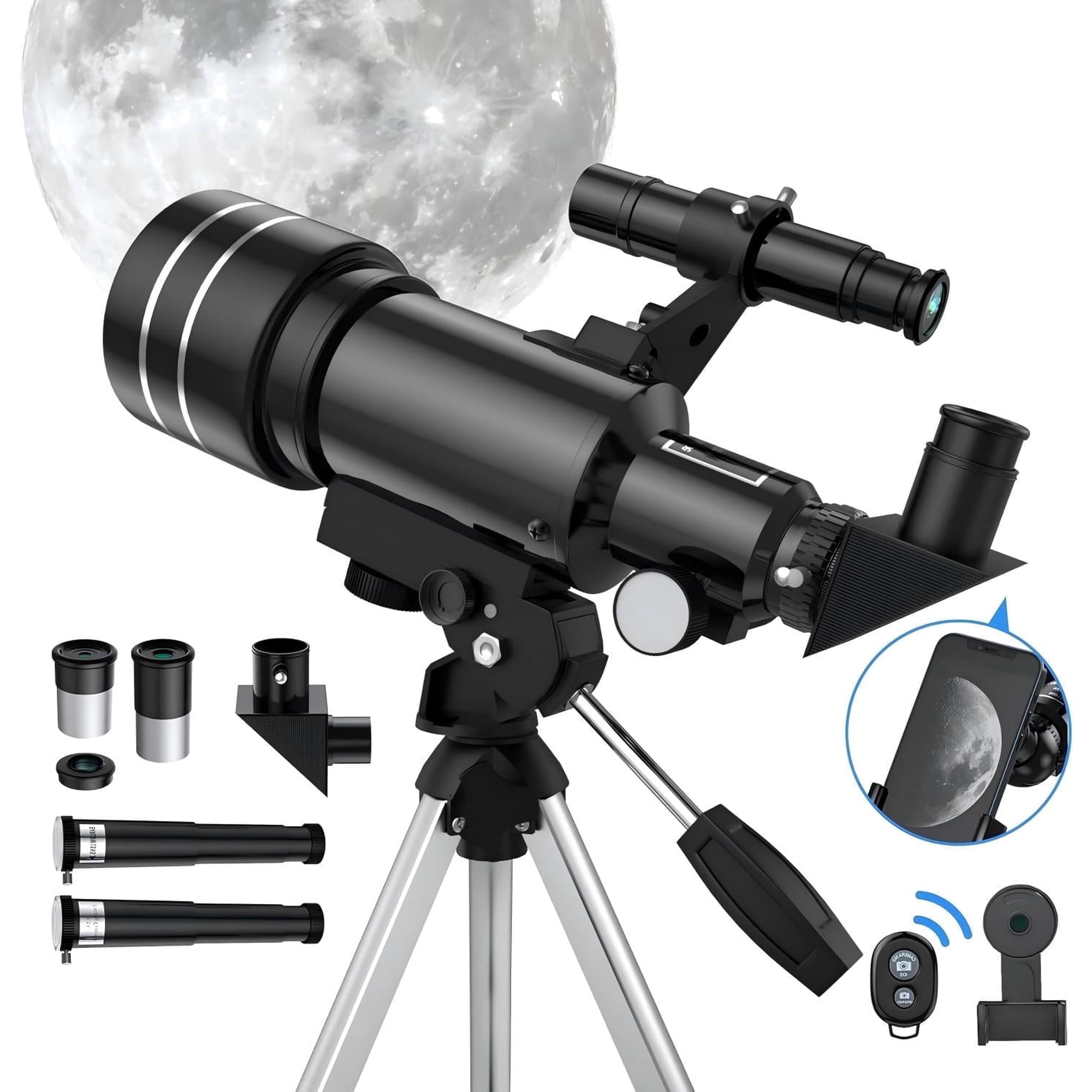
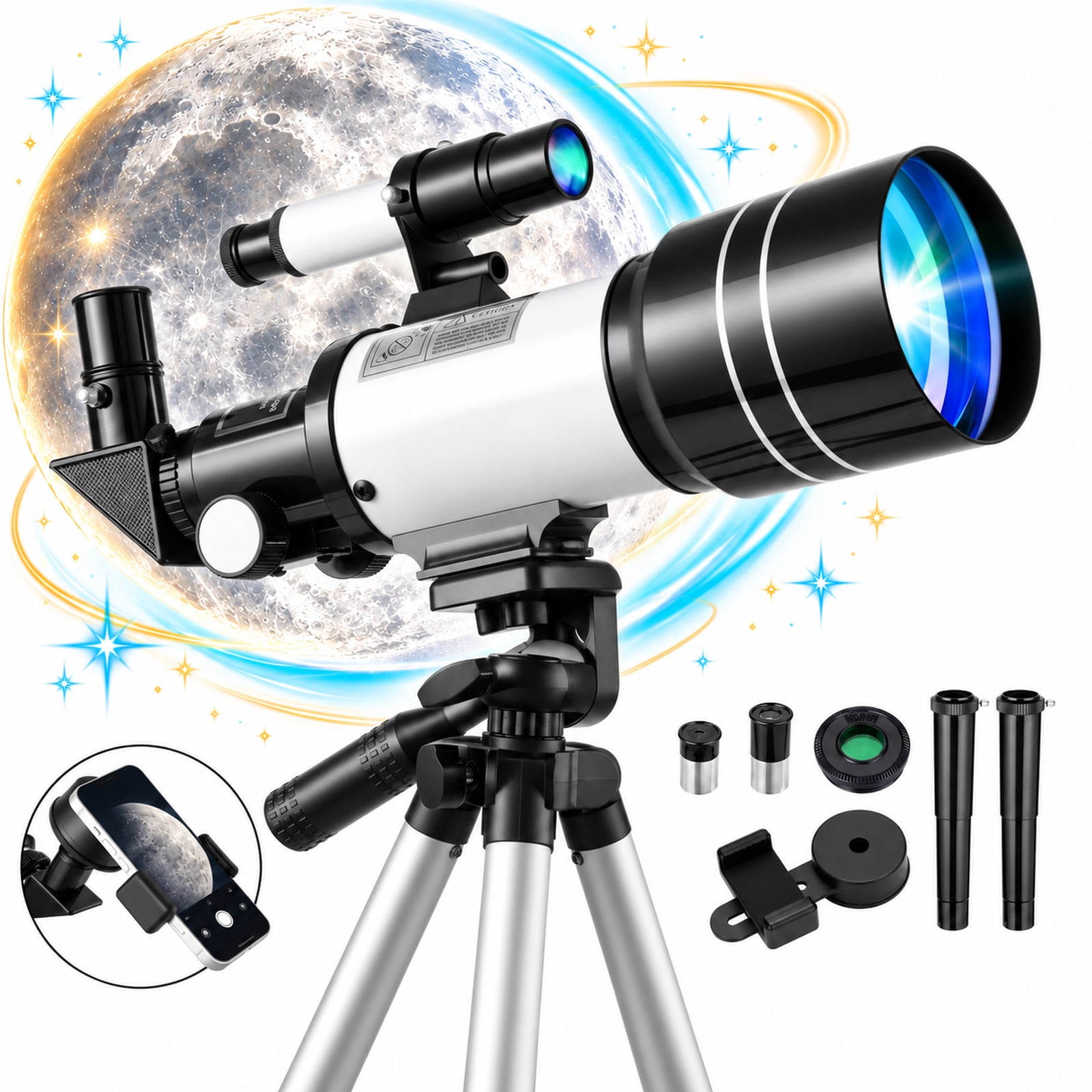
Skip the cheap 70mm kits: their mounts wobble, which ruins long exposures.
The picks
- #1
Celestron StarSense Explorer DX 130AZ Reflector Telescope
- Optical design: Newtonian Reflector | Parabolic Primary Mirror
- Aperture: 130mm (5.11")
- Focal length: 650mm (25.59")
- Focal ratio: f/5
- Highest useful magnification: 307x
- Lowest useful magnification: 19x