- Is a cast iron kettlebell better than a rubber-coated one?
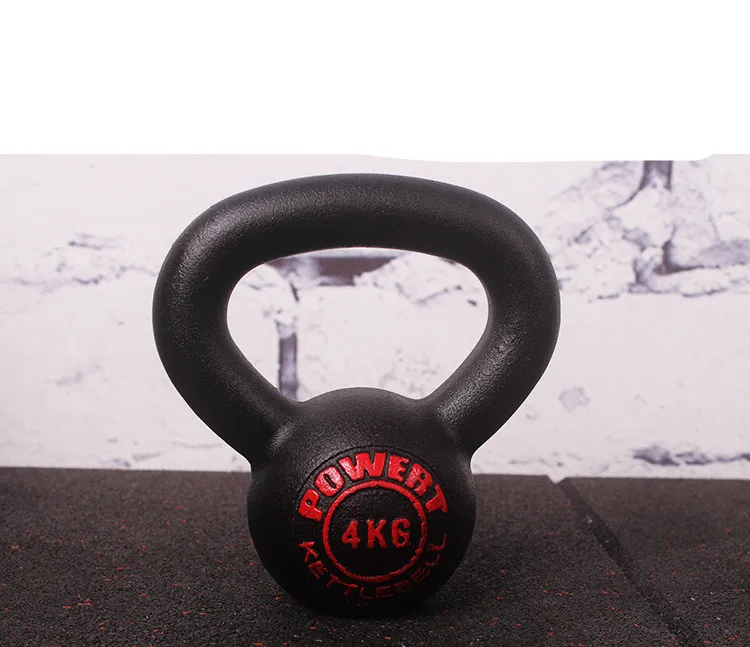
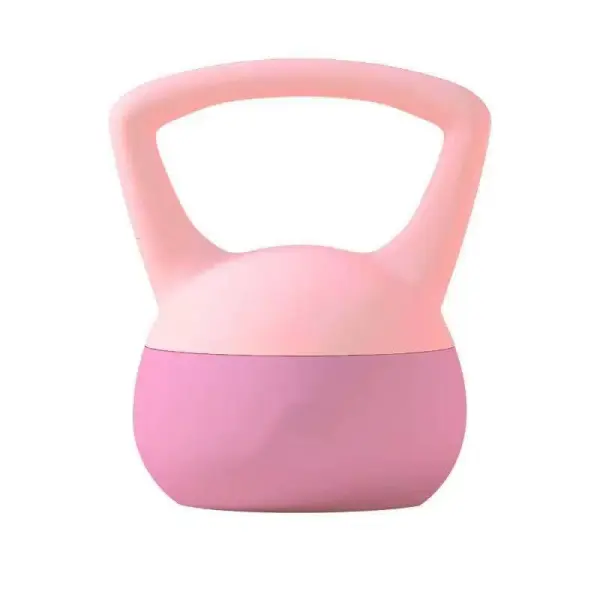
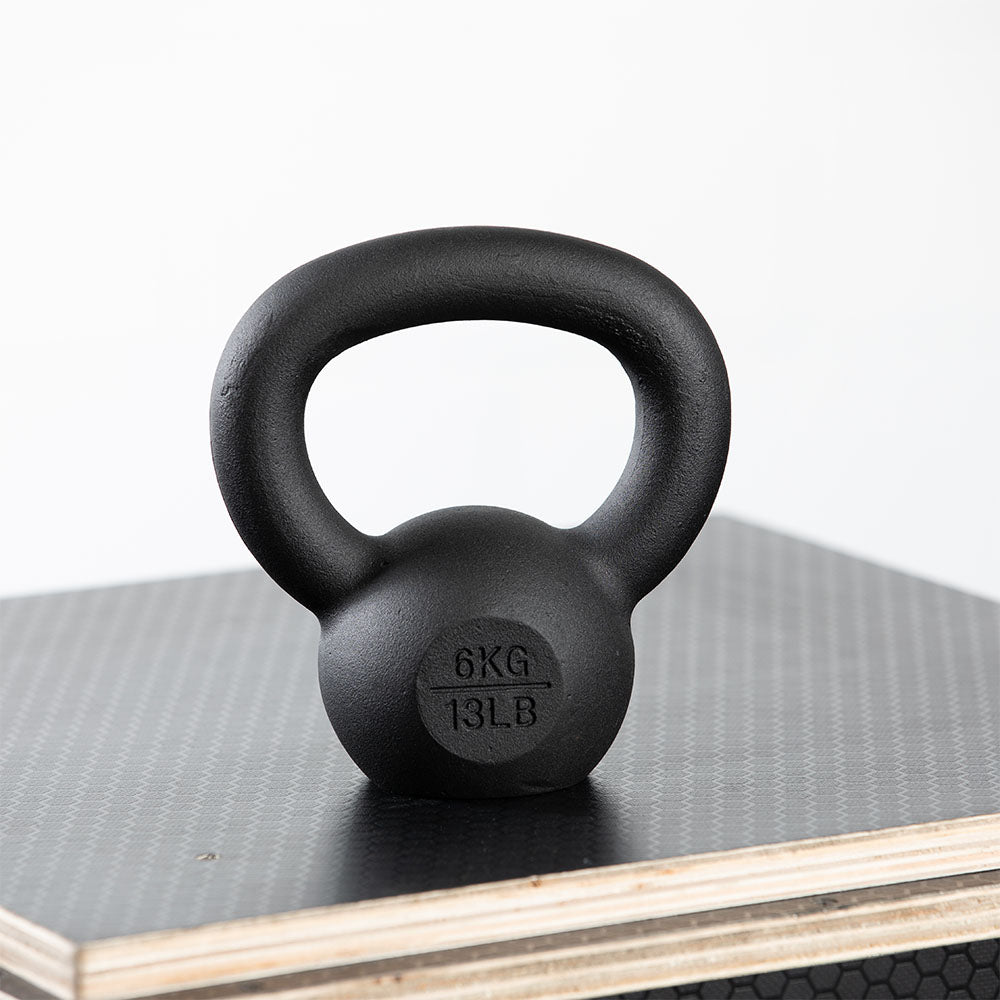
- Cast iron is more durable and takes chalk well, and it does not shed rubber. Rubber-coated bells are gentler on floors and hands. For home use on mats or turf, iron is the tougher long-term choice.
- What weight should I start with?
- Most men new to swings start around 16 kg and most women around 8 to 12 kg, depending on strength. Lighter bells suit presses and Turkish get-ups; heavier ones suit swings and carries. Many people own two or three sizes.
- Can I use it for two-handed swings?
- Yes. The wide loop handle leaves room for both hands on the heavier sizes. On the lightest bells the handle is smaller, so check your grip before high-volume two-hand work.
- Will the handle fit my hands?
- The loop is thick and wide, which suits most adults. Handle diameter grows with the weight, so a 4 kg bell feels very different from a 20 kg one. Bare iron is slick at first and grips better once chalked.
- Does it work on hardwood or tile?
- The flat base sits stable, but bare iron can scratch or dent hard floors if set down hard or dropped. Use a mat or rubber tiles under your workout area.
- Is one kettlebell enough for a full workout?
- One bell covers swings, goblet squats, cleans, presses and carries. A second, heavier bell lets you progress on swings and carries without buying a full set.
- Where is the Cast Iron Kettlebell with Loop Handle cheapest?
- At Deal.ai, for $487.99, as of our latest check.