- What is PETG good for compared with PLA?
- PETG is stronger, more flexible and holds up to higher heat than PLA, so it suits brackets, containers and parts left in warm places. PLA still wins on fine detail and ease of printing.
- What nozzle and bed temperatures does PETG need?
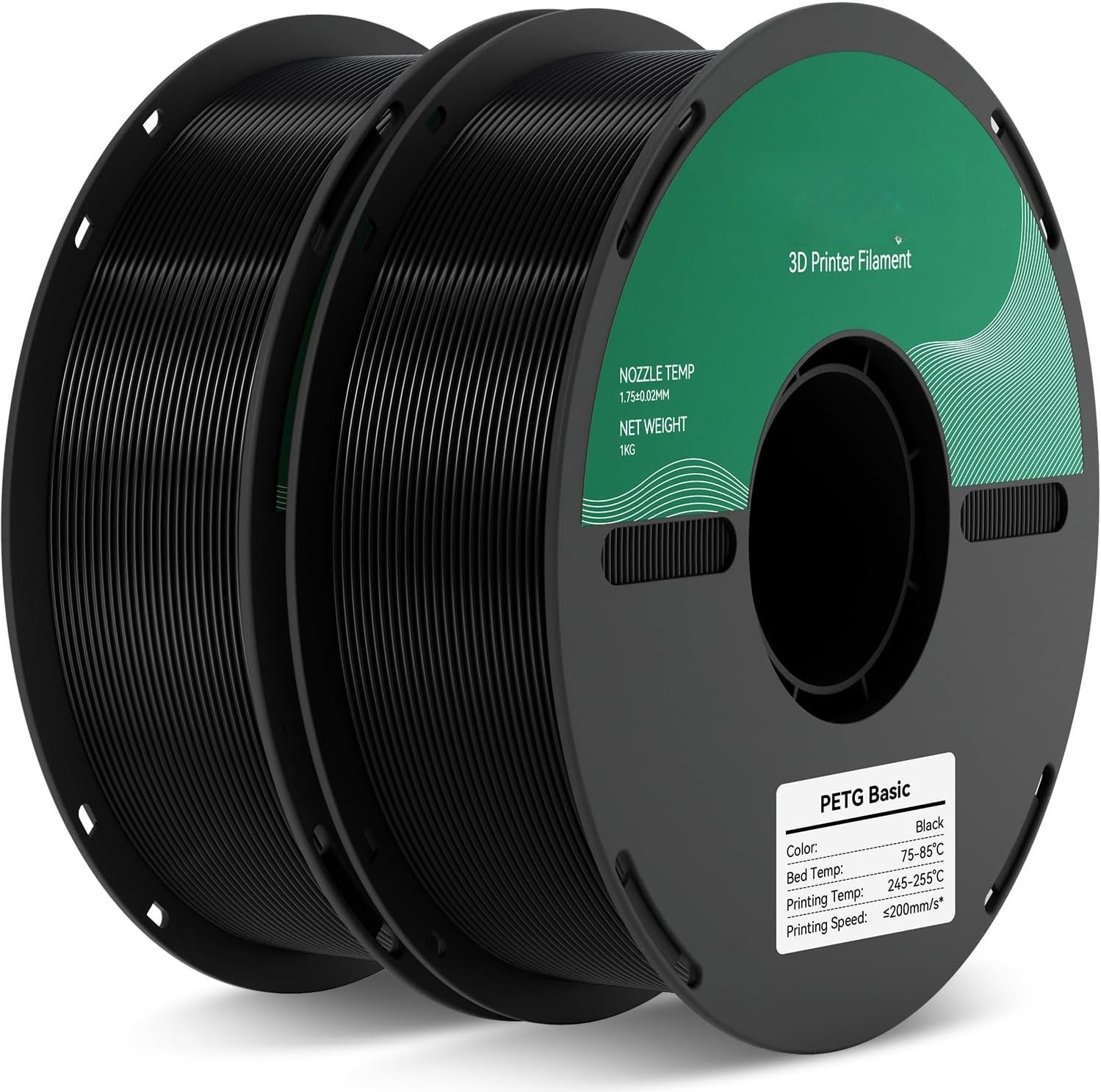
- PETG typically prints around 230-250 C at the nozzle with a bed near 70-80 C. Start in that range and adjust for your printer and the part's strength.
- Does it need an enclosure?
- No. PETG warps far less than ABS and prints well on open-frame printers, though a draft-free spot and a heated bed help.
- How do I stop it from stringing?
- Tune retraction distance and speed, lower the nozzle temperature within its range, and dry the spool if it has absorbed moisture. PETG is prone to stringing until the profile is dialed in.
- How should I store the spool?
- Keep it sealed with desiccant when not in use. PETG absorbs moisture, which causes popping, bubbling and weak layers.
- Is it food safe?
- PETG itself is generally regarded as safe for contact, but printed parts have layer gaps that harbor bacteria, and dyes vary. Do not assume a printed part is food safe without a specific food-contact claim.
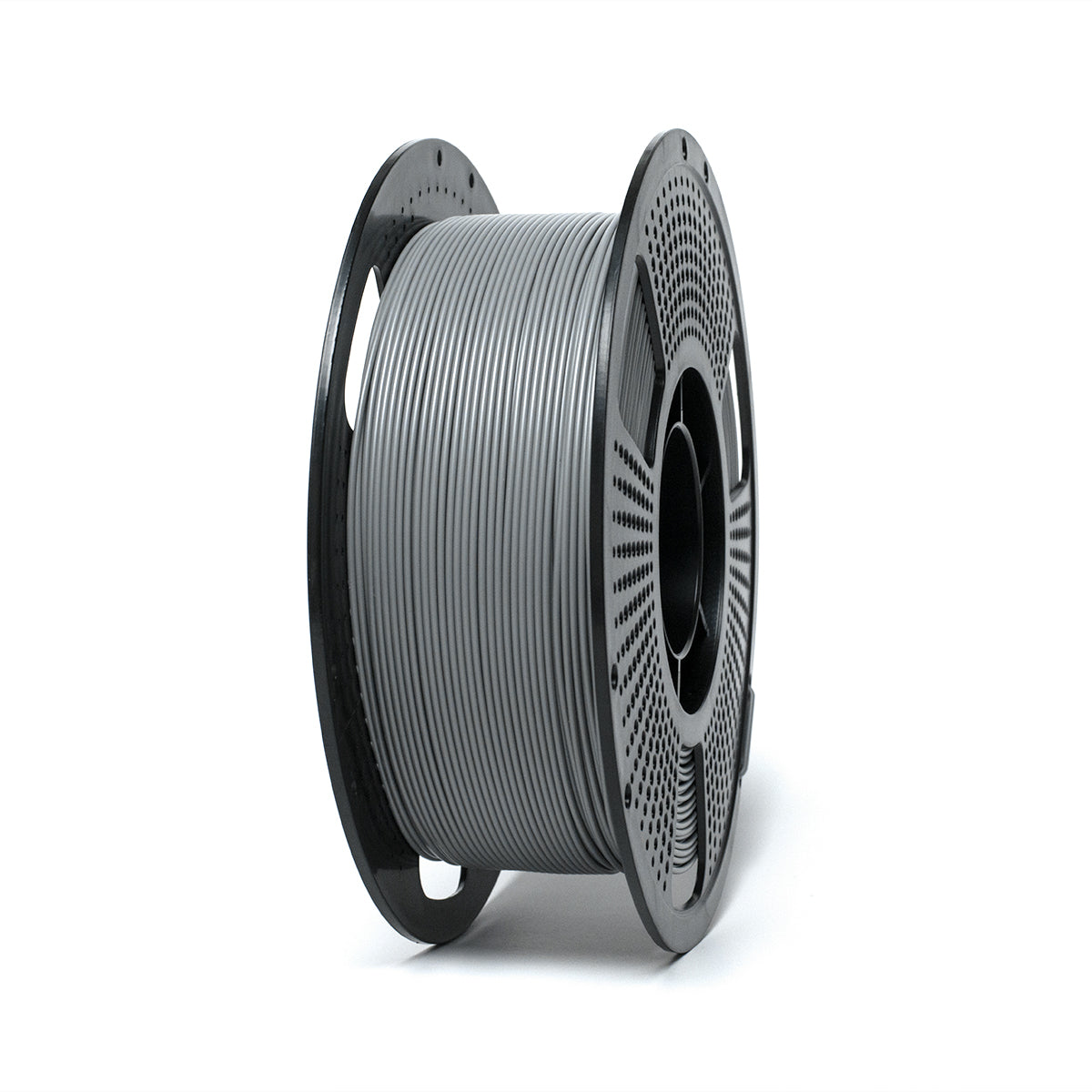
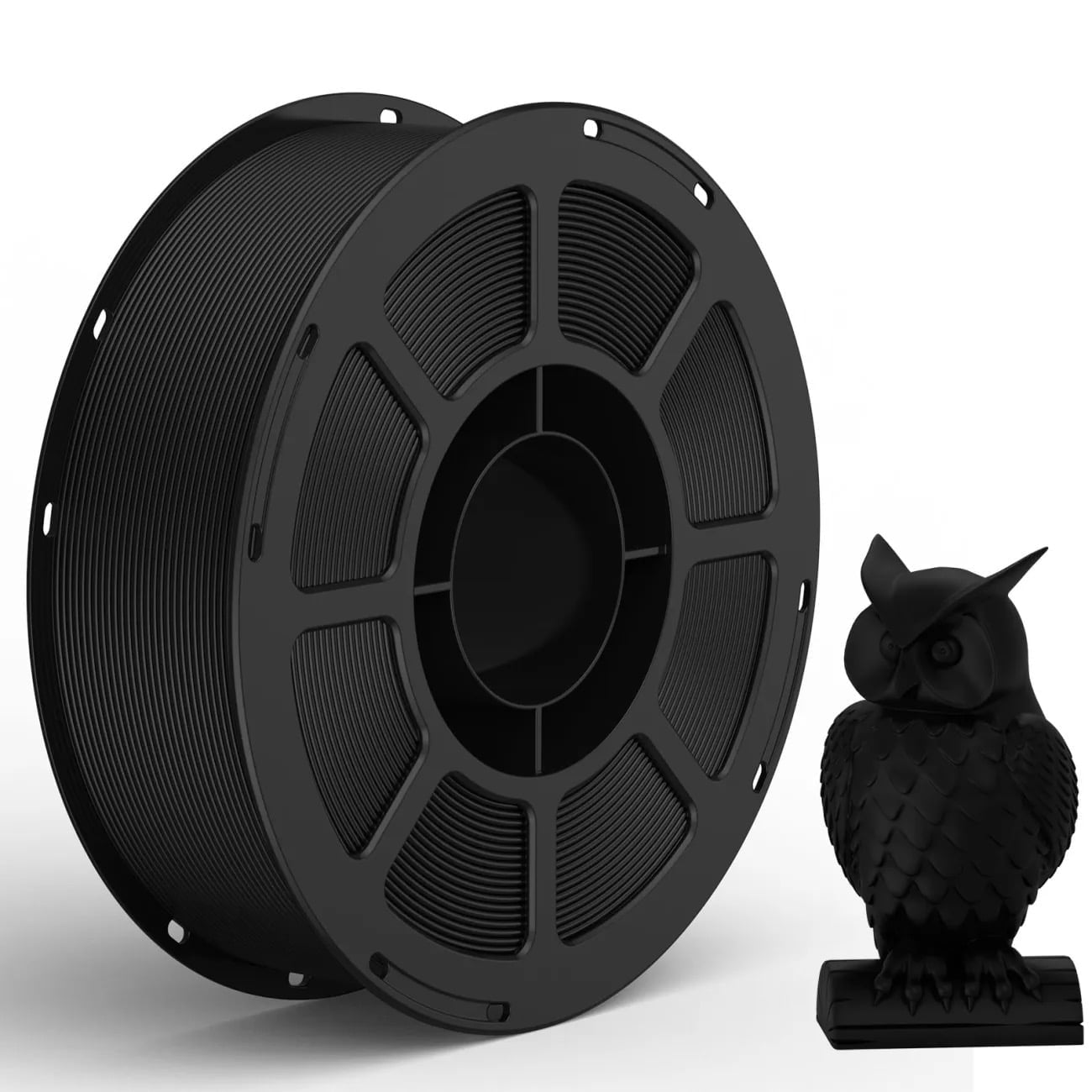
- Where is the Linder PETG 3D Printer Filament 1 75mm 1kg Spool cheapest?
- At Lowe's, for $77.85, as of our latest check.